




The Challenge: Bulk Buys and Special Ingredients
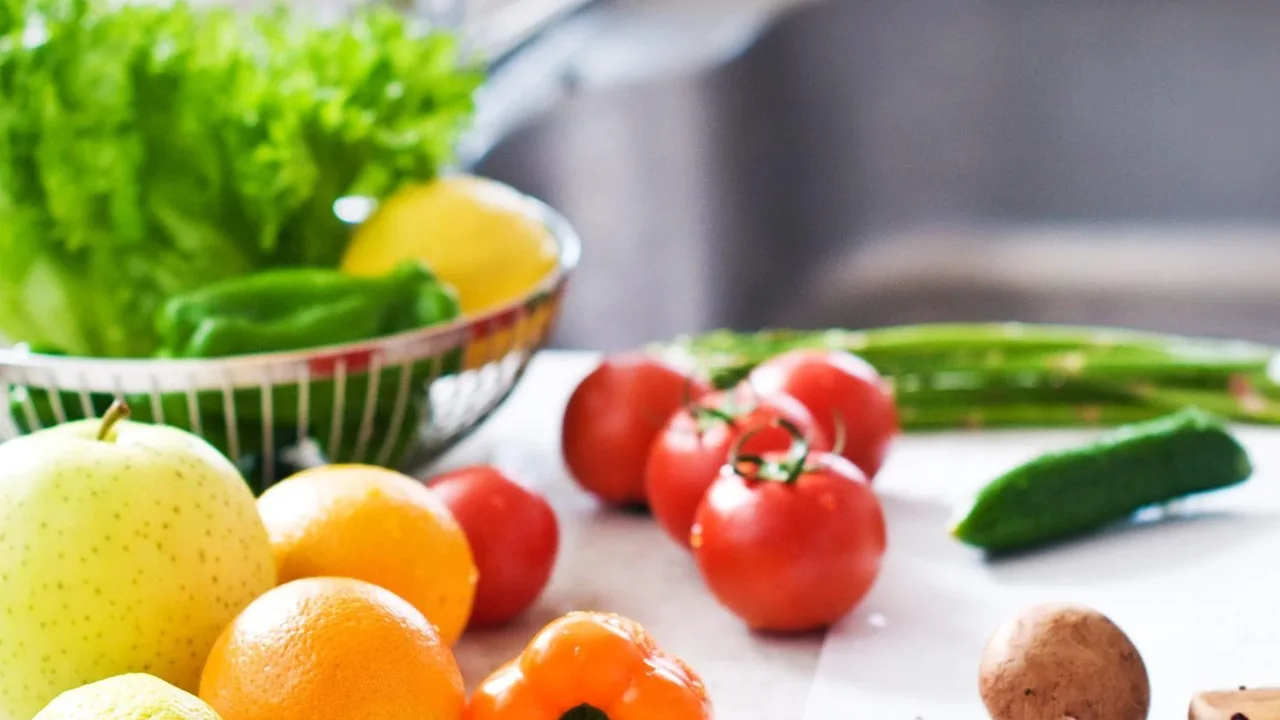
Festivals mean stocking up. Five-kilogram bags of atta and rice, large tins of oil and ghee, and an assortment of dals and sugars are just the beginning. Then come the speciality items: ingredients for ladoos and barfis, sacks of potatoes and onions for snacks,
and a wider array of spices than usual. Most kitchens, designed for daily needs, simply aren't equipped to handle this sudden, massive influx of goods. The result is often cluttered countertops, overflowing cabinets, and the stress of not being able to find what you need amidst the joyous chaos. Smart organization isn't about buying more; it's about storing smarter.
Think Vertically with Modular Solutions
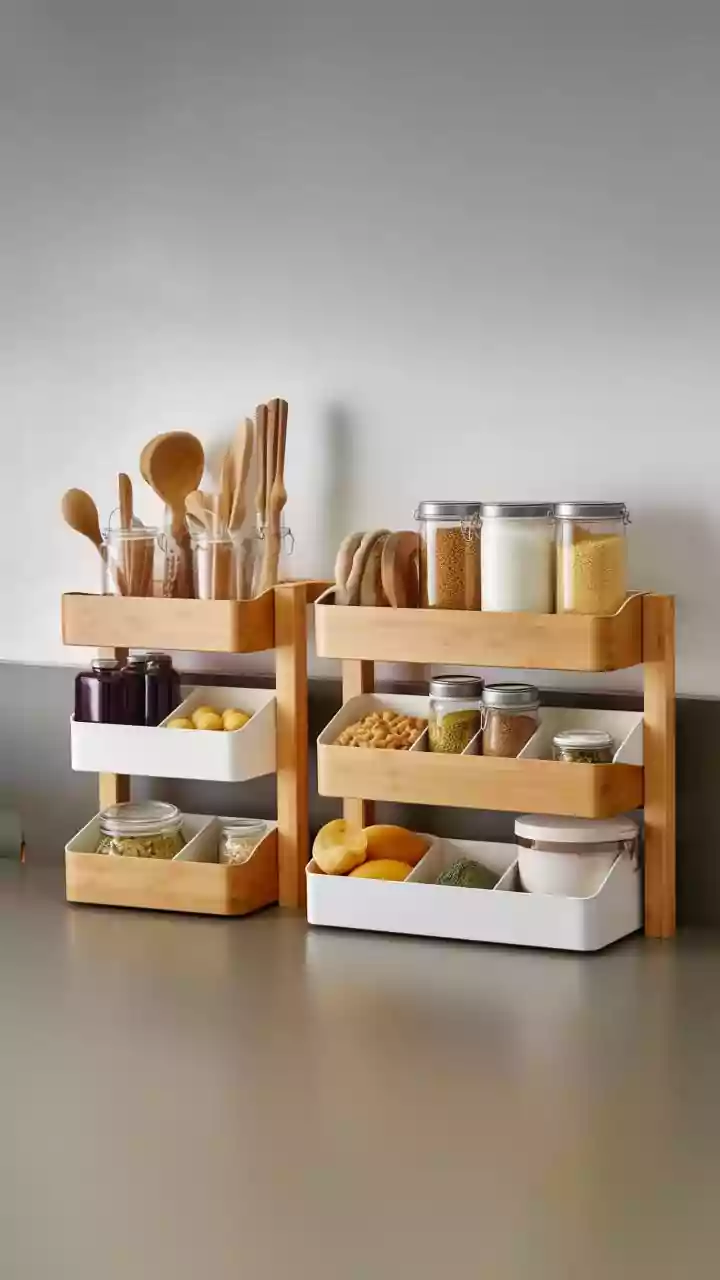
The single biggest mistake in kitchen storage is ignoring vertical space. When countertops and shelves get crowded, the only way to go is up. Modern modular kitchen solutions are designed for this very purpose. A tall, pull-out pantry unit can be a game-changer, providing many times the accessible storage of a standard cabinet. These units allow you to see everything at a glance, from bulk grain bags at the bottom to lighter spice packets at the top, without having to dig behind other items. Even in non-modular kitchens, adding simple shelf risers or stackable wire racks inside existing cupboards can instantly double your usable space.
Decant, Label, and Conquer
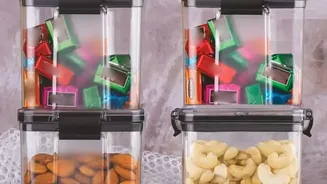
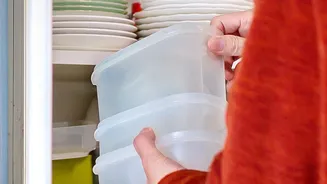
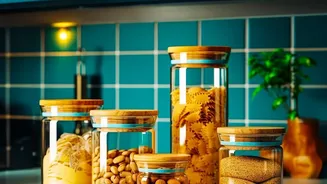
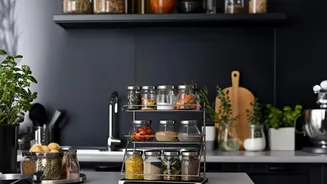
Opening large, unwieldy bags of flour, sugar, or lentils every day is inefficient and invites pests and moisture. The solution is to decant staples into smaller, airtight containers for daily use, while storing the bulk of the package away. Investing in a set of uniform, stackable containers makes a huge difference. Square or rectangular containers are more space-efficient than round ones. For spices, a rotating carousel or a dedicated drawer with labelled jars keeps them organised and within reach of the stove. Labelling is crucial; it saves you from guesswork and ensures you don't mix up different powders in the middle of a complex recipe.
Create Dedicated 'Festival Zones'
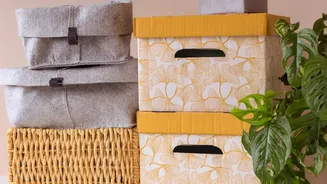
Many festive ingredients aren't used year-round. Think khoya, special flours, or decorative silver balls for sweets. To prevent these from cluttering your daily workflow, create a designated 'festival zone'. This could be a top shelf, a specific cabinet, or a labelled box that you can easily access when needed. The same applies to special utensils like large kadhais, serving platters, or sweet moulds. Grouping these occasional-use items together keeps your primary cooking zones clear and functional for everyday meals, even during the busiest festival preparations.
Utilise Every Nook and Cranny
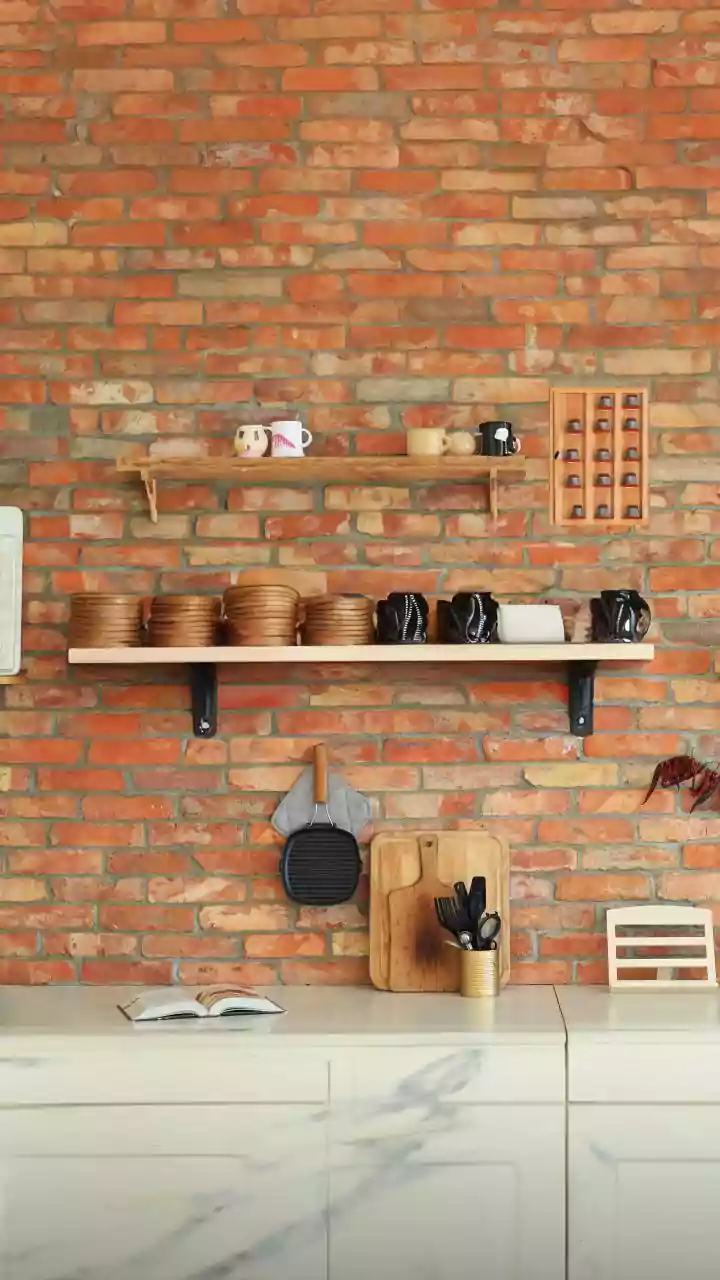
Indian kitchens often have underutilised spaces that can be turned into valuable storage real estate. The dead space in a corner cabinet can be brought to life with a 'magic corner' pull-out mechanism or a simple carousel unit. The area under the sink, often a jumble of cleaning supplies, can be neatly organised with pull-out drawers or caddies. Slim, wheeled carts can slide into the gap between the fridge and a wall, perfect for storing bottles, sauces, or jars. Even the walls can be put to work with mounted racks for hanging utensils, pans, and lids, freeing up precious cabinet space.
Smart Storage for Festive Delicacies
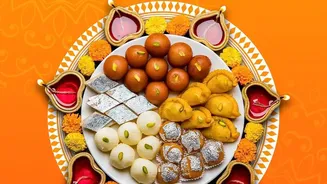
Once the cooking is done, you face a new challenge: storing the delicious sweets and snacks. For dry snacks like chakli, chivda, and shankarpali, airtight steel or glass containers are your best friend. They must be completely cool before being packed to retain their crunch. Softer sweets like barfi or laddoos, especially those made with milk products, should be stored in the refrigerator in clean, dry containers to maintain freshness. To prevent flavours from mingling, always use separate containers for each item. For longer-term storage of certain sweets, you can even freeze them after wrapping individually.