





Ditching Diets for a Visual Guide
The most refreshing trend in nutrition isn't a restrictive new diet, but rather a flexible and intuitive approach that champions balance. Instead of counting calories or eliminating entire food groups, this movement is about visual cues and sustainable
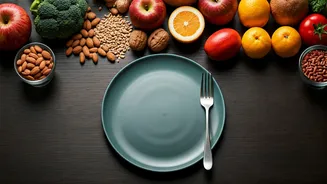
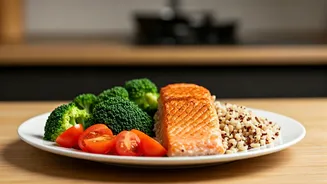
habits. At its heart is the 'Plate Method,' a straightforward guide to building a healthy meal. [3, 8] It simplifies portion control by using your plate as a map: half for vegetables, a quarter for lean protein, and a quarter for complex carbohydrates. [3, 9] This method isn't about rigid rules but about creating a framework for nutrient-dense meals that leave you feeling satisfied. [3] It’s a direct response to the often-confusing world of fad diets, offering a simple, effective strategy for long-term health. [14]
The Science of a Balanced Plate
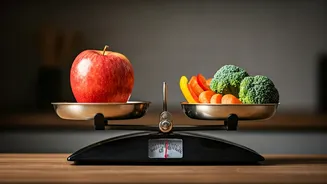
The power of the Plate Method lies in its foundation of solid nutritional science. By dedicating half your plate to non-starchy vegetables, you load up on fibre, vitamins, and minerals with minimal calories, which aids in feeling full. [3, 10] The quarter plate of lean protein is crucial for building and repairing tissues, maintaining muscle mass, and promoting satiety, which helps prevent overeating. [10, 11] The final quarter, reserved for whole grains or starchy vegetables, provides complex carbohydrates—the body's primary fuel source for sustained energy. [16] This combination helps stabilize blood sugar levels, preventing the energy spikes and crashes often caused by diets heavy in refined carbs. [3, 12] The result is improved energy, better digestion, enhanced mood stability, and a reduced risk of chronic diseases. [12, 20]
How to Build Your Perfect Plate
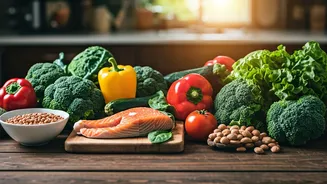
Putting this into practice is simple. Grab a standard-sized dinner plate (about 9 inches is ideal) and follow these steps: * **Fill Half with Non-Starchy Vegetables:** Think colour and variety. Load up on leafy greens, broccoli, bell peppers, carrots, tomatoes, or a large salad. [7] Both fresh and frozen vegetables are great options. [11] * **Fill One-Quarter with Lean Protein:** Choose options like grilled chicken, fish (especially those rich in omega-3s), eggs, tofu, or legumes like beans and lentils. [7, 10] A portion should be roughly the size of the palm of your hand. [9] * **Fill One-Quarter with Complex Carbs:** Opt for whole grains such as brown rice, quinoa, oats, or whole-wheat pasta. Starchy vegetables like sweet potatoes or corn also fit in this section. [7] A serving is about the size of a fist. [9] * **Add a Touch of Healthy Fat:** Don't forget healthy fats, which are vital for brain health and nutrient absorption. [11] This can be a drizzle of olive oil on your salad, a few slices of avocado, or a small handful of nuts or seeds. [11]
Beyond the Plate: Mindful Eating Matters
Truly balanced eating extends beyond just what's on your plate; it also involves how you eat. This is where principles from 'Intuitive Eating' complement the Plate Method perfectly. It encourages rejecting the 'diet mentality' of labelling foods as 'good' or 'bad' and instead making peace with all foods. [1, 4] Key practices include honouring your hunger and fullness cues—eating when your body signals it needs fuel and stopping when you feel comfortably full. [5, 6] It also means paying attention to the satisfaction factor; taking the time to savour and enjoy your meals can make you feel more content with appropriate portions. [1] This approach helps you reconnect with your body's internal signals, moving away from external rules and building a healthier, more trusting relationship with food. [2]