






The Legacy of Yield-First Farming
India's Green Revolution was a monumental success in achieving food security. By focusing on high-yield varieties of staple crops like rice and wheat, the nation averted famine and became self-sufficient in food grain production. This model, which prioritises
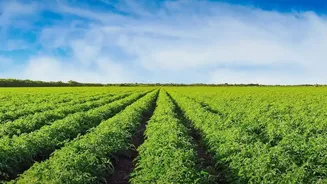
maximising the sheer volume of produce from every piece of land, has been the backbone of our agricultural policy. However, this single-minded focus on yield has had unintended consequences. It has led to a reliance on a few staple crops, diminishing dietary diversity. Furthermore, intensive farming has sometimes come at the cost of soil health and environmental sustainability, while the nutritional content of the food produced has often been a secondary concern. As India now faces the double burden of malnutrition—coexisting undernutrition and rising obesity—it's clear that producing enough calories is no longer sufficient.
Introducing 'Nutritional Yield'
The smarter approach gaining traction is known as nutrition-sensitive agriculture. This strategy reframes the goal of farming: instead of just 'yield per acre,' the key metric becomes 'nutrition per acre'. It asks a different set of questions: How many people can be supplied with their recommended daily intake of iron, protein, or vitamin A from this hectare of land? This approach seeks to maximize the production of essential micronutrients, not just calories. It involves a holistic view of the entire food system, from the farm to the consumer, ensuring that agricultural practices contribute directly to better public health outcomes. The aim is to produce a variety of affordable, culturally appropriate, and nutrient-rich foods sustainably.
What It Looks Like in Practice
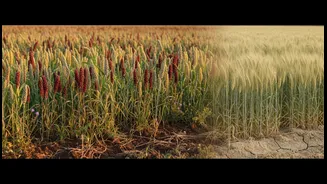
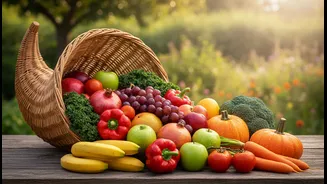
Treating nutrition as an output takes several forms. One key strategy is crop diversification. Instead of vast monocultures of rice or wheat, farmers are encouraged to grow a mix of crops, including pulses, millets, fruits, and vegetables, which are often more nutrient-dense and climate-resilient. Another powerful tool is biofortification. This involves conventionally breeding or agronomically enhancing staple crops to increase their micronutrient content. India has already made significant strides here, with the Indian Council of Agricultural Research (ICAR) releasing over 100 biofortified varieties of crops like zinc-rich wheat, iron-rich pearl millet, and protein-rich maize. These innovations deliver essential nutrients through the foods people already eat every day, making them a cost-effective and sustainable way to combat hidden hunger.
Benefits Beyond the Plate
The advantages of a nutrition-first approach extend far beyond improved health. Diversified farming systems are often more resilient to climate change. For instance, traditional millets are famously hardy and require less water than rice, making them a smarter choice in drought-prone regions. This approach also improves soil health by breaking pest cycles and enhancing biodiversity. For farmers, diversifying into higher-value, nutrient-dense crops can open up new markets and provide more stable incomes, reducing the economic risks associated with relying on a single crop. By integrating agriculture with local ecosystems and nutritional needs, this model supports both environmental sustainability and the economic well-being of farming communities.
The Hurdles to Overcome
Shifting an entire agricultural paradigm is not without challenges. The current system of subsidies, procurement, and market prices heavily favours staple grains like rice and wheat, creating strong economic incentives for farmers to stick with what they know. There is also a need for greater awareness and education among both farmers and consumers about the benefits of dietary diversity and nutrient-rich crops. Building robust supply chains that can handle a wider variety of perishable goods is another critical step. It requires coordinated efforts from policymakers, agricultural scientists, and the private sector to create an enabling environment where farming for nutrition is not just ecologically smart, but also economically rewarding for the farmer.