




Understanding Zumba: The Cardio Dance Party
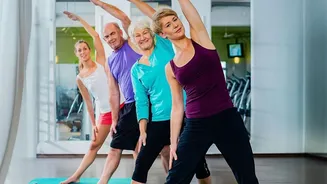
Zumba is a high-energy fitness program that feels more like a party than a workout. Created in the 1990s, it blends Latin and international music with easy-to-follow dance moves. A typical class involves alternating between fast and slow rhythms to deliver
an interval-style training session. The primary focus is cardiovascular exercise. You are constantly moving, stepping, and shaking, which keeps your heart rate elevated. The goal isn't perfect choreography; it's to keep moving, sweat, and have fun. This makes it an effective aerobic workout that can improve heart health, boost endurance, and burn a significant number of calories—anywhere from 300 to 900 in an hour, depending on intensity and personal factors.
Understanding Barre: The Sculptor's Workout
Barre takes its inspiration from ballet, Pilates, and yoga. Using a stationary barre for support, this workout focuses on small, controlled, isometric movements. Think tiny pulses, leg lifts, and deep muscle contractions held for extended periods. The primary goal of a traditional barre class is to build muscular endurance, tone specific muscle groups (like glutes, thighs, and core), improve posture, and increase flexibility. While some barre classes are designed to be faster-paced for a cardio effect, its core identity is low-impact strength and stability training. It’s about feeling the 'burn' as you work muscles to exhaustion, creating a lean, sculpted physique without the bulk.
Head-to-Head: Cardio and Calorie Burn
When it comes to pure cardiovascular benefit, Zumba is the clear winner. Its entire structure is built around aerobic and interval training, which is highly effective for strengthening the heart and lungs. Studies show a one-hour Zumba class can burn significantly more calories than many other group fitness classes, making it an excellent choice for weight management. While barre classes do elevate your heart rate and can offer cardiovascular benefits, especially in cardio-focused variations, their primary purpose is not aerobic conditioning. The pace often involves more breaks between sets and a focus on muscle fatigue rather than sustained, high-intensity movement. If your main goal is to get your heart pumping and burn fat, Zumba is designed specifically for that purpose.
What About Strength and Flexibility?
This is where Barre truly shines. The small, precise movements in barre are designed to isolate and fatigue muscles, leading to significant gains in muscular endurance and tone, particularly in the legs, glutes, and core. It’s an exceptional workout for improving posture and stability. While Zumba is a full body workout that engages your core, legs, and glutes, it doesn't build strength in the same targeted way as barre. Zumba's movements are larger and more dynamic, improving overall coordination and flexibility through a wide range of motion. Barre, however, excels at creating that long, lean 'dancer's physique' through its focus on isometric strength.
What Zumba Adds to Your Cardio Routine
So, what does Zumba specifically add to a cardio routine? The answer is twofold: effectiveness and enjoyment. First, it provides a powerful, interval-based aerobic workout that improves cardiovascular health, lowers blood pressure, and torches calories. It’s a scientificallynded method for getting your heart rate into the optimal zone for endurance gains. Second, and perhaps more importantly, Zumba adds a 'fun factor' that is critical for consistency. Many people quit exercise routines because they find them boring. Zumba's party like atmosphere, motivating music, and social environment make people want to come back. This consistency is the most important ingredient for any successful long term cardio plan. It turns exercise from a chore into a highly anticipated event.