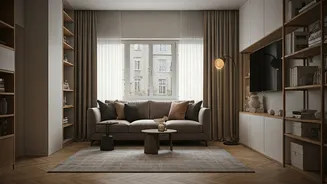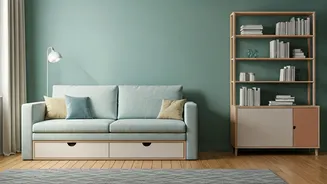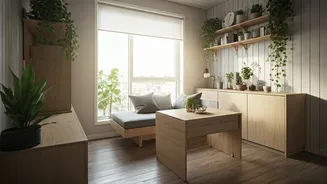




Patterns as Walls and Hallways
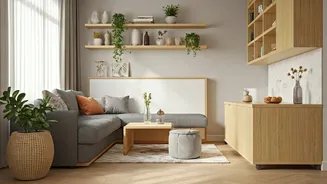
In interior design, patterns are defined by repetition, creating visual movement and rhythm in a space. When you live in a studio or a small, open-plan flat, you can't exactly build new walls. This is where patterns step in to do the job. Think of a large,
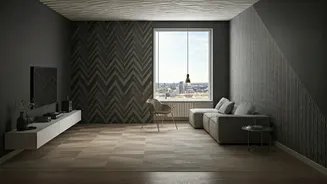
boldly patterned rug in your living area. Its edges create a clear boundary, visually separating the lounge from your dining nook or workspace without a physical barrier. This technique, known as 'zoning', uses flooring to establish distinct functional areas. A chevron or herringbone pattern on the floor can create a sense of movement, subtly guiding foot traffic through a space much like a hallway would, adding a layer of sophisticated, intuitive design to your home.
Manipulating Space with Lines and Scale
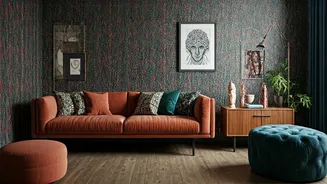
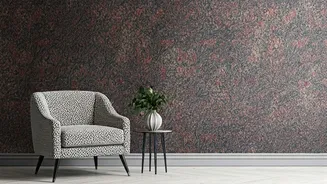
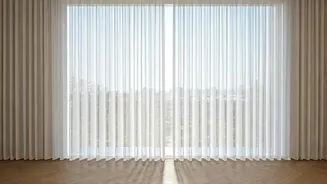
One of the oldest tricks in the book is using stripes to alter perception, and it works just as well in homes as it does in fashion. Vertical stripes on a wall or in your curtains can draw the eye upward, giving the illusion of higher ceilings and a grander space. Horizontal stripes can make a room feel wider. But the architectural illusion doesn't stop there. The scale of the pattern matters immensely. While conventional wisdom might suggest using small prints in small rooms, designers often argue the opposite. Large-scale patterns can actually make a room feel more expansive because they create fewer visual interruptions. A wall covered in a large floral or geometric print can soften the room's corners and create a sense of depth, making the wall appear to recede.
Creating a Strong Focal Point
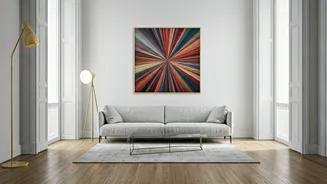
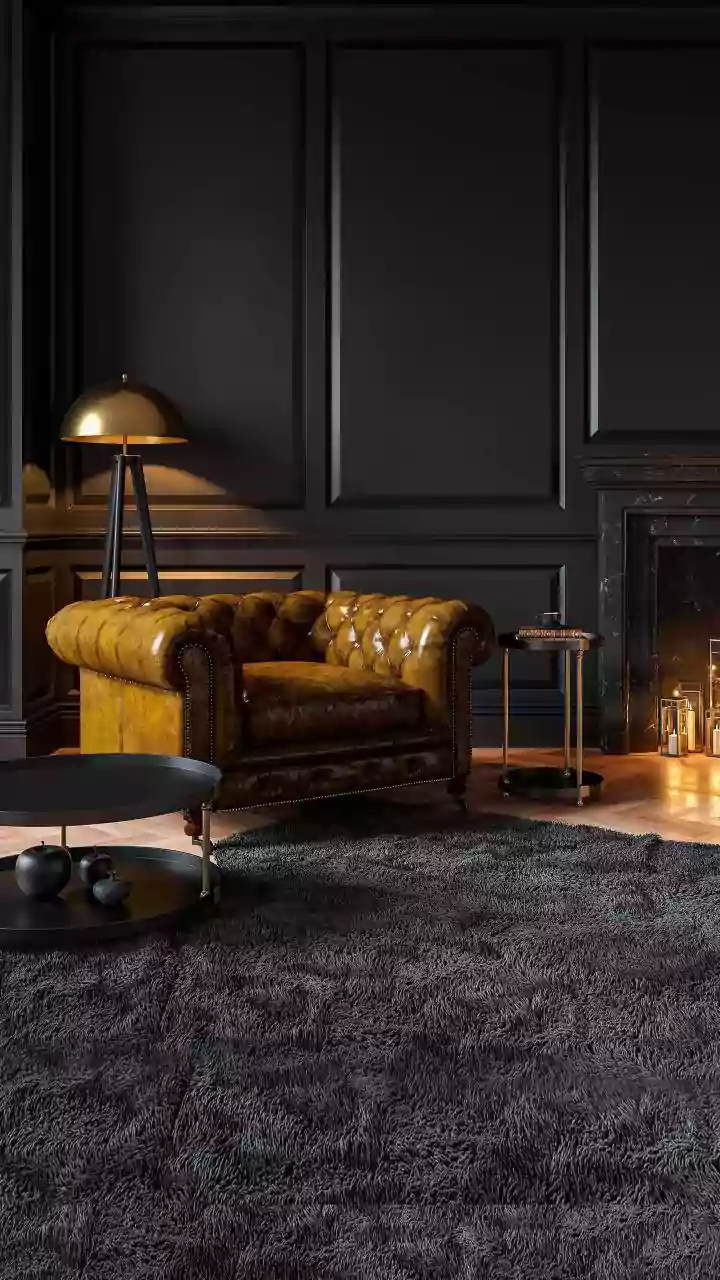
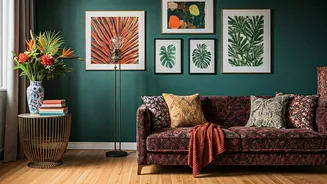
Every well-designed room needs a focal point—an anchor that draws the eye and gives the space a sense of purpose. In a small flat that can feel cluttered, a strong focal point brings order to potential chaos. Pattern is the perfect tool for this. Instead of scattering small, competing elements around the room, commit to one bold statement. This could be a single feature wall with a dramatic wallpaper, a large piece of abstract art, or a sofa upholstered in a striking print. This creates a clear hierarchy in the room, telling you where to look and allowing other areas to be more neutral and calm. This gives the eyes a place to rest and makes the entire space feel more intentional and less busy.
Unifying the Space with Cohesion
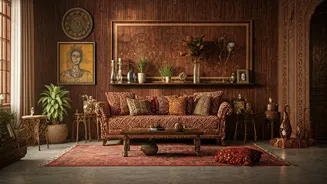
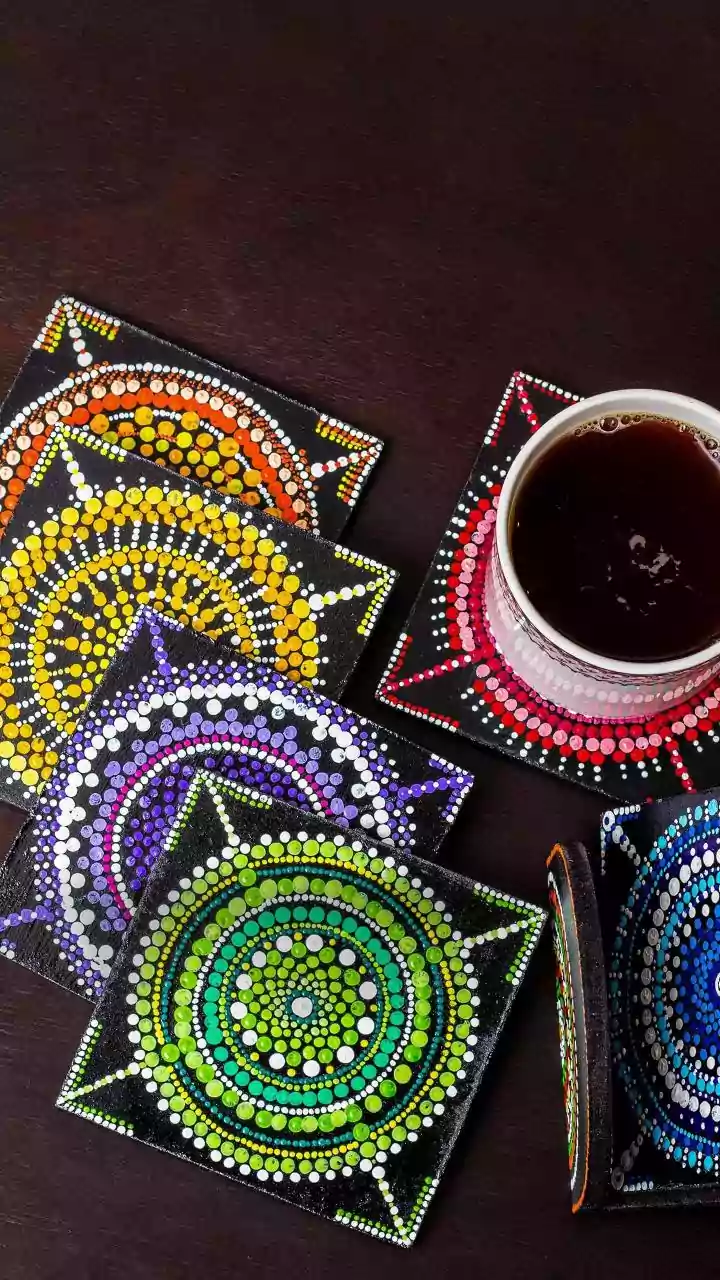
While patterns can divide a room into zones, they can also be used to tie an entire home together. Repetition is key to creating a cohesive look. By using a recurring pattern or a consistent colour palette across different areas, you create a sense of flow that makes a collection of small rooms feel like one unified home. For example, if you have a geometric pattern on your living room cushions, you could echo that with smaller-scale geometric tiles in the kitchen backsplash or a similar motif in your hallway art. This visual connection guides the eye from one space to the next, creating a harmonious journey. Even surprising splashes of pattern inside closets or on the back of bookshelves can create depth and a feeling of thoughtful design throughout the home.