


The Allure of the Shoulder Season
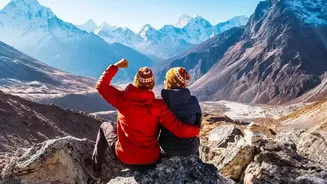
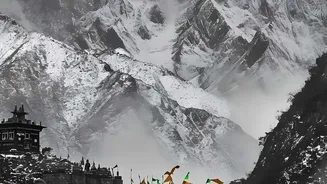
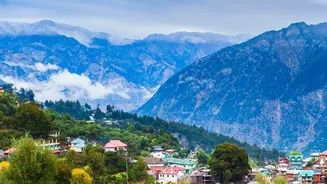
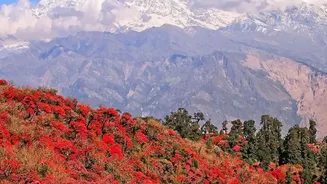
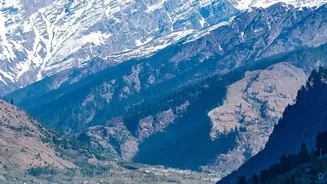
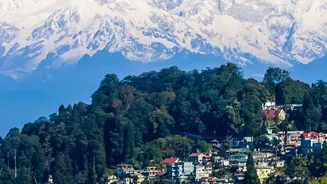
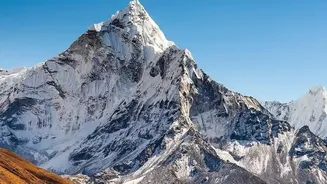
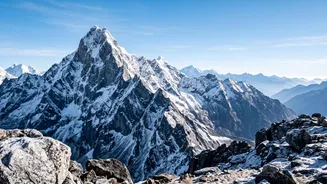
November in the Indian Himalayas is the sweet spot between the post-monsoon rush of September and October and the deep winter freeze that begins in December. The monsoon rains have washed the air clean, leaving behind stunningly clear views of snow-capped
peaks against brilliant blue skies. Tourist numbers drop significantly, transforming popular destinations from bustling hubs into serene retreats. This tranquillity is the main draw for those seeking a more personal connection with the mountains. This period is often called a 'shoulder season' because it offers many of the benefits of peak season, like stable weather, but with the added advantages of solitude and reduced costs. It's an ideal time for photographers, writers, and anyone looking for peaceful contemplation amidst majestic scenery. However, it's also a month of transition; the days are pleasant, but the nights are cold, and winter's approach is palpable.
Decoding Off-Peak Rates and Availability
One of the most compelling reasons to travel in November is the impact on your wallet. With fewer tourists, hotels and guesthouses across the Himalayas often reduce their rates. You can expect prices to be anywhere from 20% to 40% lower than during the peak months of May, June, and October. Availability is generally excellent, meaning you have a better choice of rooms and are less likely to find your preferred property fully booked. While it's still wise to book high-end or highly-rated properties in advance, you have more flexibility with mid-range and budget accommodations. In many cases, you can even negotiate rates upon arrival, a practice that is nearly impossible during peak season. This off-season advantage extends from popular hill stations like Shimla and Manali to trekking base camps in Uttarakhand, allowing for a more spontaneous and budget-friendly journey.
What to Expect From the Weather
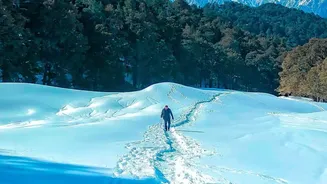
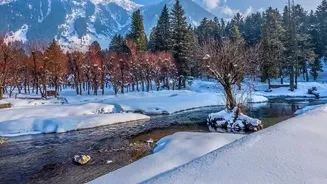
November weather is generally predictable and pleasant, but it demands respect. Daytime temperatures in lower-altitude areas of Himachal Pradesh and Uttarakhand can hover between a comfortable 15°C and 25°C. However, as the sun sets, temperatures drop quickly, often falling to between 0°C and 10°C, and can dip below freezing at higher elevations. Light snowfall may begin to dust the upper reaches, but heavy, travel-disrupting snow is uncommon until later in December. The key is to be prepared for this daily shift. The upside is the lack of rain; November is a dry month, ensuring that your trekking and sightseeing plans are unlikely to be ruined by downpours. Always check the forecast for your specific destination before you go, as conditions can vary significantly between valleys.
Where to Go: Regional Highlights
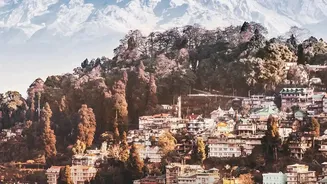
While November travel is fantastic, not all Himalayan destinations are equally accessible. Very high-altitude road trips, like the Manali-Leh highway, are out of the question as passes begin to close for the winter. Instead, focus on low to mid-altitude regions. In Uttarakhand, treks like Har Ki Dun, Deoriatal-Chandrashila, and Kedarkantha are prime choices, offering golden meadows and spectacular peak views before the heavy snow arrives. Places like Rishikesh and Nainital are also lovely, with pleasant days for exploring. In Himachal Pradesh, areas around Dharamshala, McLeod Ganj, and the Kangra Valley are perfect. Lower-altitude treks like Triund are also highly recommended. Sikkim also offers wonderful trekking opportunities with clear views of Kanchenjunga. These destinations provide the perfect mix of accessibility, stunning scenery, and cultural experiences.
Essential Packing and Preparation
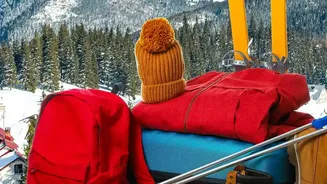
The key to a comfortable November trip is layering. Your packing list should include a combination of light clothes for sunny afternoons and serious winter wear for the chilly nights and early mornings. Start with thermal innerwear, add fleece jackets or sweaters for your middle layer, and top it all off with a windproof and water-resistant outer jacket. Warm socks, sturdy walking shoes with good grip, a woollen cap, gloves, and a scarf are non-negotiable. The sun, though not as hot, can be intense at altitude, so sunscreen and sunglasses are essential. Before embarking on any road travel, especially to more remote areas, it's wise to check on local road conditions, as early snowfall can occasionally cause temporary closures on higher mountain passes.