




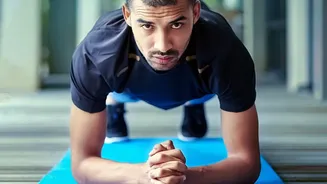
Want to get active but worried about your knees, hips, or back? You're not alone. The fear of joint pain stops many people from starting. The good news is that low-impact exercise is the perfect solution to build strength and fitness without the strain.
What is Low-Impact Exercise?
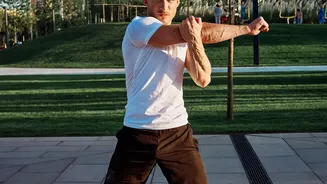
The concept is simple: low-impact exercises are movements where you keep at least one foot on the ground at all times. This contrasts with high-impact activities like running or jumping, where both feet leave the ground and the landing sends a jolt through your joints. Think of low-impact movement as smooth and fluid. It's not about being 'easy'—you can still get a very intense, heart-pumping workout—it’s about being smart and reducing the jarring force on your body. This makes it an ideal choice for beginners, people with arthritis, those recovering from injury, or anyone who wants a sustainable, long-term fitness routine.
The Joint-Saving Benefits
Choosing low-impact exercise offers significant advantages beyond just comfort. These activities improve joint health by encouraging the circulation of synovial fluid, which lubricates your joints and keeps them moving smoothly. By building the muscles that surround and support your joints, you create a natural cushion that absorbs shock and reduces stress on your knees, hips, and ankles. This leads to improved flexibility, better balance, and less stiffness over time. Many people with conditions like osteoarthritis find that regular, gentle movement actually reduces their pain and improves daily function.
Swimming: The Ultimate Gentle Workout
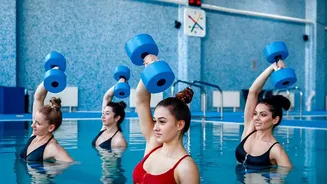
If there's one gold-standard exercise for sore joints, it's swimming. The buoyancy of water supports up to 90% of your body weight, effectively taking the pressure off your entire frame. This unique environment allows you to move freely without the strain you’d feel on land, making it perfect for people with arthritis or chronic pain. The water provides gentle resistance, helping to build muscle strength and cardiovascular endurance across your entire body. Don't worry if you're not a strong swimmer; simply walking in the water or trying a water aerobics class can provide immense benefits.
Cycling: A Smooth Ride to Fitness
Whether you're on a stationary bike indoors or exploring a trail outside, cycling is a fantastic low-impact option. Because the saddle supports your body weight, the circular pedalling motion places minimal stress on your knees, hips, and ankles. This makes it a great choice for building leg strength and cardiovascular fitness without the jarring impact of running. For beginners, a stationary bike can be an excellent starting point, as you can control the resistance and pace in a safe environment. If you have balance concerns, a recumbent bike offers even more support.
Walking: The Most Accessible Start
Never underestimate the power of a good walk. It is arguably the most accessible and affordable form of low-impact exercise available. Walking strengthens the muscles in your legs, improves circulation to your joints, and helps with overall heart health. To keep it joint-friendly, stick to flatter surfaces like walking tracks or smooth dirt trails, as they are kinder to your body than hard concrete. The key is consistency. Aim for regular walks, even if they're short at first, and gradually increase your duration and pace as you get stronger.
Yoga and Pilates: Strength and Flexibility
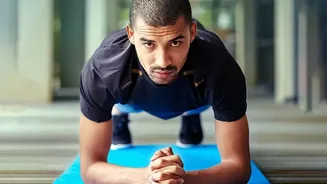
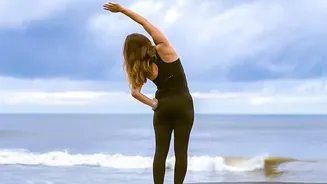
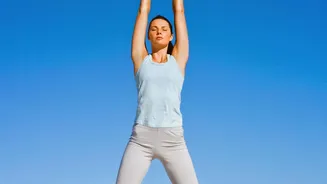
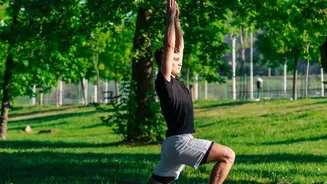
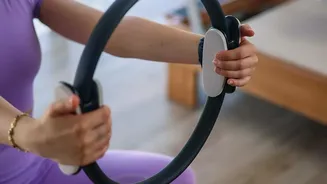
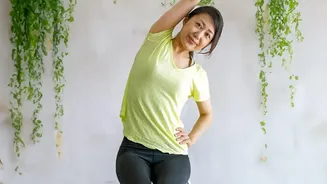
Yoga and Pilates are excellent for improving flexibility, balance, and core strength, all of which are crucial for supporting your joints. These practices focus on slow, controlled movements and body alignment. Many yoga poses and Pilates exercises are performed while seated or lying down, taking the load off your joints entirely. For those with arthritis, gentle or restorative yoga can be particularly beneficial for reducing stiffness and pain. Always look for beginner-level classes and let your instructor know about any physical limitations so they can offer modifications.
Tips for Getting Started Safely
Embarking on a new fitness journey is exciting, but it's important to do it right to avoid injury and burnout. First, if you have any pre-existing health conditions, it’s wise to talk to your doctor before you begin. Start slow and set realistic goals; a 10- or 20-minute session a few times a week is a great beginning. Always warm up before you start and cool down afterwards to prepare your muscles and aid recovery. Most importantly, listen to your body. Mild soreness is normal, but sharp pain is a signal to stop and rest. The best exercise is one you can do consistently, so choose an activity you genuinely enjoy.