






A New Era for Overnight Journeys
For decades, overnight train travel in India has been a mixed bag of convenience and compromise. While trains like the Rajdhani Express set a premium standard, the core experience of sleeping on the rails has remained largely unchanged. That is, until
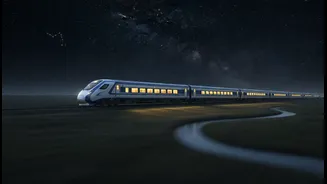
now. Following the successful launch of the first Vande Bharat sleeper service between Howrah and Kamakhya, Indian Railways is expanding its modern overnight fleet. The introduction of a second sleeper route signals a clear shift towards making long-distance train travel a genuinely comfortable and desirable option, aiming to rival the convenience of air travel for inter-city trips. This isn't just a new train; it's the next step in a nationwide railway overhaul.
What Makes This Train a Game-Changer?
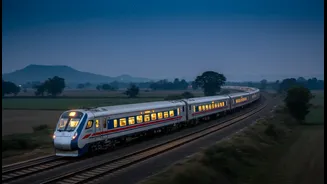
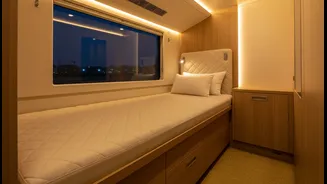
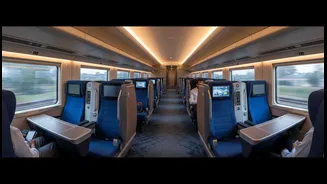
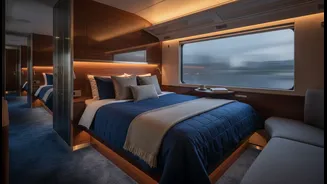
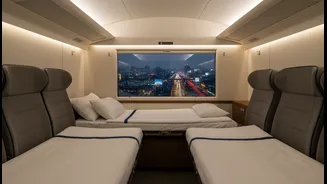
The Vande Bharat sleeper is engineered from the ground up to address the classic pain points of overnight travel. The biggest upgrade is the ride quality. As a self-propelled trainset without a separate locomotive, it provides smoother acceleration and deceleration, virtually eliminating the notorious jerks that can disturb sleep. The coaches are also better soundproofed, creating a quieter cabin environment. Inside, the improvements are immediately noticeable. Berths are wider and better cushioned, and the ladders for reaching upper berths have been ergonomically redesigned for easier access. Sensor-based lighting in common areas, modern bio-vacuum toilets with touch-free fittings, and advanced fire safety systems further elevate the passenger experience far beyond existing sleeper trains.
Connecting Key Cities Overnight
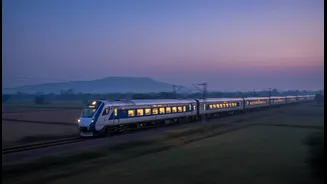
The second sleeper Vande Bharat is set to operate on a high-demand corridor, connecting major commercial and cultural hubs. According to recent reports, the new service, named the Sant Ravidas Express, will connect Varanasi in Uttar Pradesh with Chheharta (Amritsar) in Punjab, with a formal launch expected on July 17, 2026. This route will also include key stops at cities like Lucknow, Bareilly, and Ludhiana. By connecting eastern Uttar Pradesh directly with the heart of Punjab, this service caters to enormous passenger traffic, offering a faster and more modern alternative to the older trains on this busy corridor. The service is scheduled to run three times a week in each direction, with timings designed for optimal overnight travel.
More Than Just Comfort: Speed and Efficiency
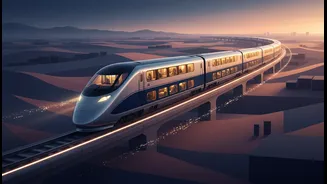
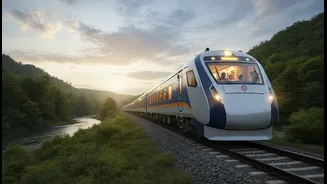
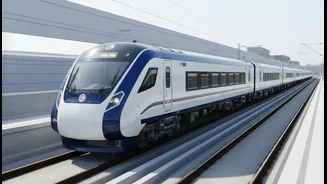
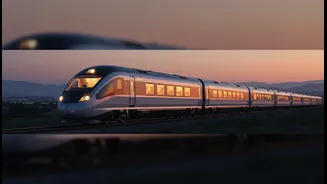
Beyond comfort, the Vande Bharat sleeper is built for speed. With a potential top speed of 160 kmph, it is designed to significantly reduce travel time compared to conventional trains. This efficiency is key to its appeal for city breaks. An evening departure can mean a morning arrival, giving travellers a full day for business or leisure without the added cost of a hotel night or the hassle of airport procedures. Each 16-coach trainset can accommodate over 800 passengers across three classes: AC First, AC Two-Tier, and AC Three-Tier, making premium travel accessible to a wider range of budgets. With its aerodynamic design and quick turnaround capabilities at terminal stations, the train is a model of modern, efficient public transport.
The Future of Indian Travel
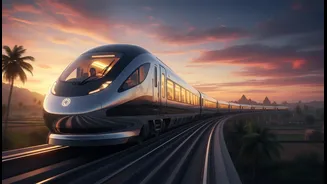
The rollout of this second sleeper train is part of a much larger vision. Indian Railways is reportedly considering several other high-demand routes for future Vande Bharat sleeper services, including major arteries like Delhi-Mumbai, Mumbai-Bengaluru, and Delhi-Howrah. The goal is to create a comprehensive network of high-speed, comfortable overnight trains connecting all corners of the country. This strategic expansion represents a significant investment in passenger experience, aiming to make train travel the preferred mode for long-distance journeys. As more of these next-generation trains hit the tracks, they promise to transform not just how Indians travel, but also how they work, vacation, and connect with their country.