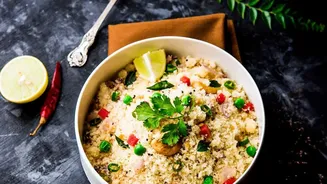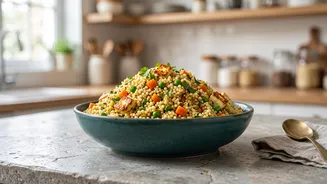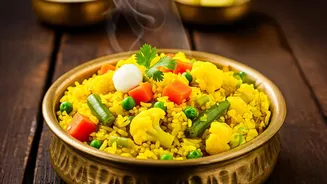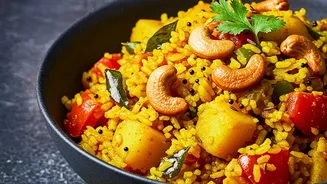




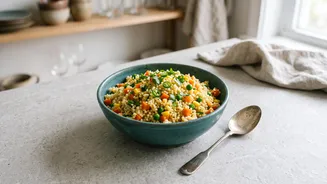
Millet pulao is a wholesome, delicious alternative to rice, but it often comes with a frustrating problem: a mushy, sticky texture. This guide unpacks the simple secrets to achieving perfectly fluffy, separate grains every single time.
Choose the Right Millet
The first step to
a great pulao is selecting the right grain. While many millets work, foxtail millet (also known as kangni or thinai) is often recommended for beginners because its grains tend to stay separate after cooking, closely mimicking the texture of rice. Little millet (samai) and kodo millet (varagu) are also excellent choices, known for producing a light, fluffy result. Each variety has a slightly different cooking time and water requirement, but foxtail millet is one of the most forgiving for achieving that desirable, non-sticky pulao texture.
The Non-Negotiable Soaking Step
Skipping the soak is a common mistake that leads to unevenly cooked millet. Soaking is crucial for more than just cleaning; it softens the bran, or outer layer, allowing the grain to cook evenly and absorb water properly. This results in a better texture and can reduce cooking time by up to 30%. For most millets like foxtail, kodo, and little millet, a soak of 20 to 30 minutes is sufficient. Some sources recommend a longer soak of 6-8 hours to also reduce phytic acid, which can improve nutrient absorption. After soaking, always drain the water and use fresh water for cooking.
Master the Water-to-Millet Ratio
Using the wrong amount of water is the number one reason for mushy millet. Unlike rice, there isn't one universal ratio for all millets. However, a good starting point for a fluffy, pulao-style texture is a 1:2 ratio of millet to water (one cup of millet to two cups of water). This works particularly well for foxtail millet. Some millets, like kodo or little millet, might need slightly more, up to a 1:2.5 ratio. Always measure your water carefully, and remember that if you've soaked the millet for a very long time (like 8 hours), you may need less water, even a 1:1 ratio in some cases.
Technique: Sauté, Simmer, and Don't Stir
How you cook the millet is just as important as the prep. Start by heating ghee or oil and tempering your whole spices (like cumin seeds, cloves, and cinnamon) to build a flavour base. Many successful recipes recommend gently sautéing the drained millet in the spiced oil for a minute before adding water. This coats the grains and helps prevent them from clumping. Once the water is added and comes to a boil, reduce the heat to a low simmer, cover the pot tightly, and let it cook undisturbed. Stirring during this stage breaks down the grains and releases starch, which is a primary cause of stickiness.
Managing Your Vegetables and Heat
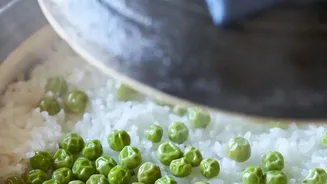
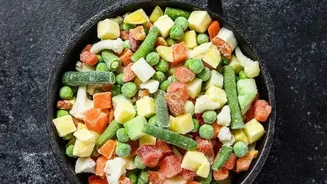
To ensure your vegetables are perfectly cooked and not mushy, timing is key. Add harder vegetables like carrots and beans along with the onions and aromatics, and sauté them for a few minutes before adding the millet and water. Softer vegetables like peas can be added with the millet. Cooking on a low flame after the initial boil is essential. High heat causes the water to evaporate too quickly, leading to burnt millet at the bottom and undercooked grains at the top.
The Final, Crucial Step: Let It Rest
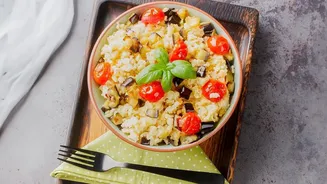
Just like with rice, millets need to rest after cooking. Once all the water is absorbed, turn off the heat but keep the lid on for another 5 to 10 minutes. This resting period is critical; it allows the residual steam to distribute evenly, helping the grains to firm up and separate. Fluffing the pulao with a fork immediately after cooking will break the delicate grains and create a mushy texture. After resting, you can gently fluff the pulao to reveal light, distinct grains ready to be served.