




The Concrete Jungle's Fever
This phenomenon is known as the Urban Heat Island (UHI) effect. It's a simple but powerful process: natural landscapes like soil, grass, and trees are replaced by concrete, asphalt, and dense buildings. During the day, these man-made surfaces absorb and store
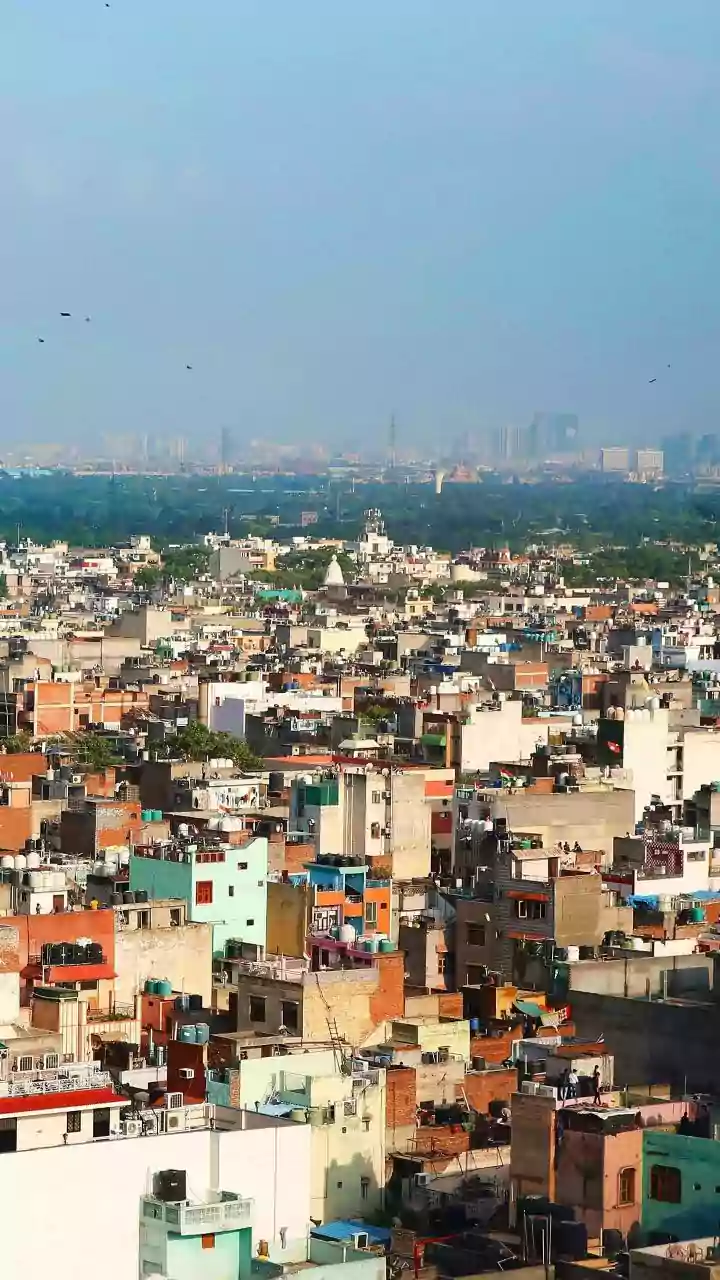
significantly more solar radiation than their natural counterparts. Think of a dark pavement on a sunny afternoon—it can become incredibly hot to the touch. While rural areas with abundant vegetation begin to cool after sunset by releasing heat back into the atmosphere, cities are left with a massive heat reservoir. This stored warmth is then slowly released throughout the evening and night, keeping the entire urban area significantly warmer than its surroundings.
Why Nights No Longer Bring Relief
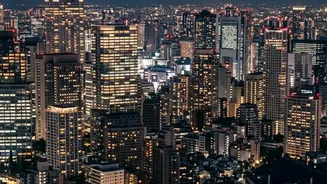
The crucial difference lies in this nighttime release of heat. Traditionally, dropping temperatures after dark provided a vital period for our bodies to rest and recover from daytime heat. However, in a concrete-heavy environment, this natural cooling cycle is disrupted. Studies show that nighttime temperatures in many Indian cities are rising faster than daytime ones. A recent study by IIT Bhubaneswar found that over the last two decades, urbanisation has caused nearly 60% more nighttime warming in over 140 Indian cities compared to surrounding non-urban areas. Cities like Ahmedabad, Jaipur, and Rajkot showed the highest urban effect, with Pune and Delhi-NCR also ranking high. The dense geometry of cities, with tall buildings close together, can also trap heat and block cooling breezes, further preventing temperatures from dropping after sunset.
The Sprawl in Secondary Cities
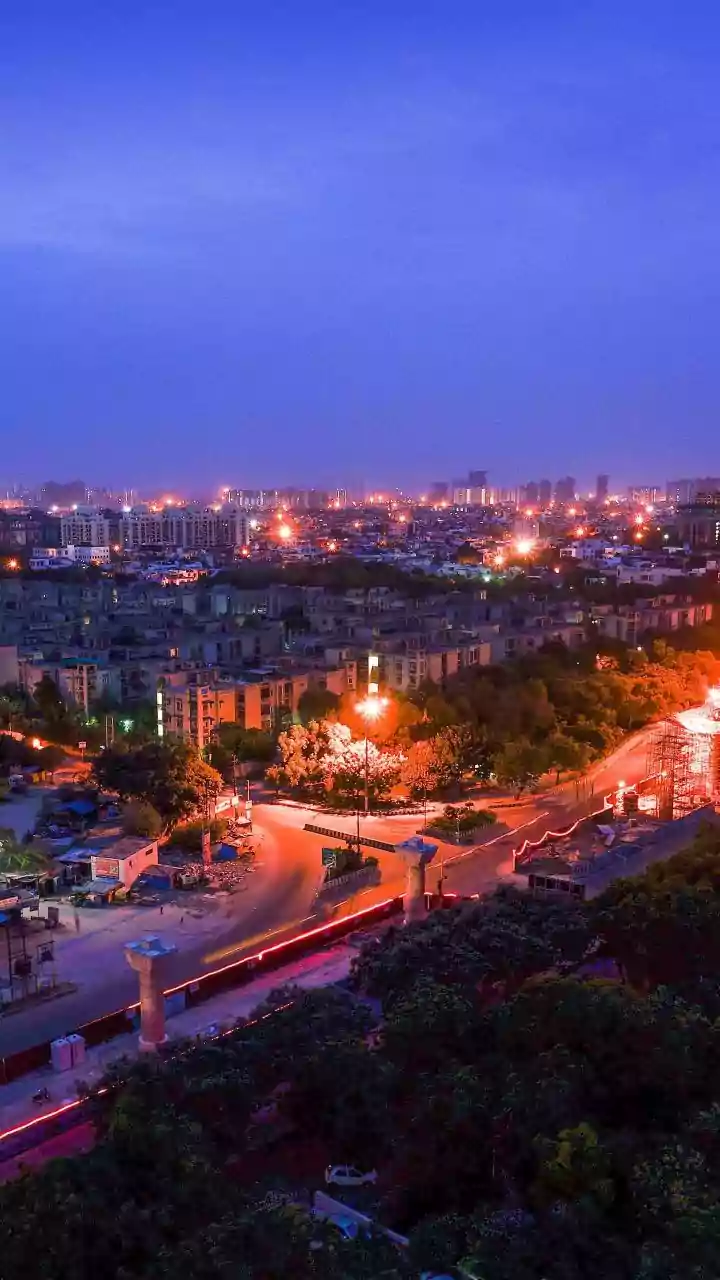
While megacities like Delhi and Mumbai have long been studied for heat island effects, the problem is rapidly accelerating in secondary or Tier-2 cities. These cities are the new frontiers of India's urban expansion. As they grow, they often replicate the development patterns of larger metros: sprawling layouts, wide roads paved with asphalt, and a focus on concrete construction with insufficient green spaces. Research indicates that developing cities in eastern and central India show a particularly high contribution of urbanisation to nighttime warming due to their rapid, ongoing expansion. This unchecked sprawl means millions of people are being introduced to the discomforts and risks of the UHI effect for the first time.
The Hidden Costs of a Warm Night
The consequences of poor night thermal comfort are more than just a nuisance; they are a public health issue. The body needs to cool down to initiate and maintain deep, restorative sleep. Persistently high nighttime temperatures interfere with this process, leading to poor sleep quality, shorter sleep duration, and insomnia. Over time, chronic sleep deprivation is linked to serious health problems, including hypertension, diabetes, and cardiovascular strain. The elderly, children, and those with pre-existing health conditions are especially vulnerable. Beyond health, there's an economic cost. Residents are forced to rely more heavily on air conditioning, leading to higher electricity bills and increased energy demand for the city as a whole.
Building Cooler, Smarter Cities
The good news is that these challenges are not insurmountable. The solutions lie in smarter, more sustainable urban planning. Strategies include increasing green cover by planting more trees and creating parks, which provide shade and cool the air through evapotranspiration. Implementing 'cool roofs' with reflective materials that absorb less heat is another effective measure. Planners are also exploring permeable pavements that allow water to filter through, which helps in cooling the surface. Protecting and integrating natural features like water bodies into the urban landscape can also have a significant cooling effect. By making heat resilience a core part of the planning process for new developments, cities can grow without sacrificing the comfort and health of their residents.