






An Ancient Tradition of Wellness
Known by many names—Pazhaya Soru or Neeragaram in Tamil Nadu, Pazham Kanji in Kerala, and Panta Bhat in Bengal—fermented rice is a testament to the age-old wisdom of Indian kitchens. It was traditionally the breakfast of farmers and labourers, a simple
meal of leftover cooked rice soaked in water overnight. Typically consumed with shallots, green chillies, or buttermilk, this dish provided sustained energy and hydration for a long day of physical work in the hot sun. It was more than just a way to prevent food waste; it was a cornerstone of daily nutrition, valued for its cooling properties and its ability to keep the body feeling light and energetic.
The Science of Simple Fermentation
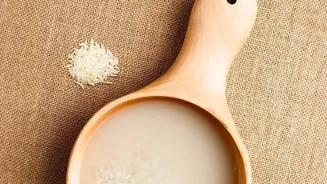
The magic happens overnight. When cooked rice is left to soak in water in a clay pot, a natural process of lactic acid fermentation begins. Wild, beneficial bacteria present in the environment start to break down the starches and other components in the rice. This process not only gives the dish its characteristic tangy flavour but also transforms its nutritional profile entirely. By morning, the simple bowl of leftover rice has become a thriving ecosystem of live probiotics, primarily gut-friendly bacteria like Lactobacillus. This natural fermentation makes the rice easier to digest by breaking down complex starches and reducing anti-nutritional factors that can interfere with mineral absorption.
A Nutritional Powerhouse Emerges
Scientific analysis confirms what generations of grandparents knew instinctively: fermentation dramatically enhances the nutritional value of rice. Studies have shown staggering increases in key micronutrients. One study noted that the iron content in 100g of rice surged from 3.4mg to 73.91mg after 12 hours of fermentation. Similarly, levels of calcium, potassium, magnesium, and essential B vitamins like B6 and B12 are significantly boosted. This enhanced bioavailability means the body can absorb and utilise these minerals more effectively. Research from Chennai's Stanley Medical College and Hospital revealed a 631% increase in dietary fibre and a 24% rise in protein content, cementing its status as a nutrient-dense food.
Your Gut's Best Friend
In an era obsessed with gut health, fermented rice water stands out as a natural, affordable probiotic. The beneficial bacteria cultivated during fermentation help balance the gut microbiome, which is crucial for digestion, immunity, and even mood. Regular consumption can aid in preventing common digestive issues like bloating, constipation, and acidity. Studies have even pointed to its therapeutic potential for those with more serious conditions like Irritable Bowel Syndrome (IBS) and Inflammatory Bowel Disease (IBD), as it helps strengthen the gut lining and reduce inflammation.
The Modern-Day Revival
As the wellness world pivots from expensive, imported trends to local, sustainable traditions, fermented rice water is experiencing a well-deserved revival. What was once seen as a 'poor man's food' is now being celebrated by nutrition experts and appearing on the menus of trendy cafes. This comeback is driven by a renewed appreciation for traditional food systems and the mounting scientific evidence supporting their health benefits. It aligns perfectly with a growing desire to reconnect with regional food wisdom that is both affordable and effective, proving that sometimes the most powerful superfoods are the ones that have been in our kitchens all along.