



Why This Pairing Is Pure Magic
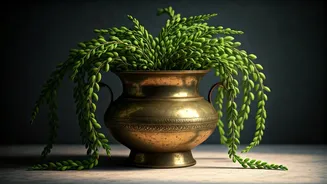
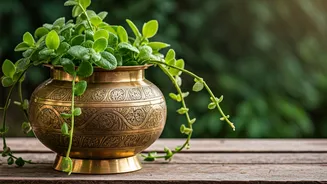
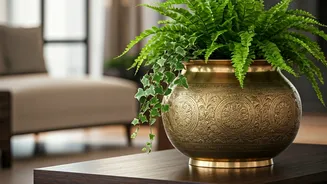
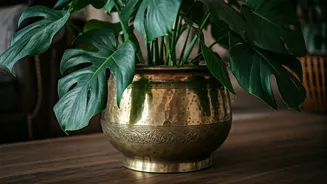
The combination of a lush, green Monstera and a heavy brass planter is a masterclass in contrasts. The vibrant, living green of the leaves pops against the warm, burnished gold of the metal. It’s a dialogue between the old and the new; the wild, organic
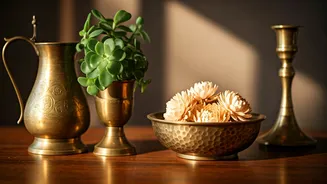
shape of the plant contained within a vessel that speaks of heritage and craftsmanship. While the Monstera represents modern, tropical chic, an antique or vintage-style brass planter adds a layer of soul, patina, and timeless elegance that a standard ceramic or plastic pot simply cannot match. This isn't just a plant in a pot; it's a curated art piece that adds weight, character, and a story to any room.
The Hunt for the Perfect Brass Planter
Finding an 'ancient' planter is a romantic notion, but a more practical goal is sourcing a vintage or high-quality antique-style one. Scour local antique shops, flea markets, and online stores specialising in vintage decor. In India, look for traditional heavy brass or bronze vessels like a classic ‘uruli’ or large ‘handi’. These were traditionally used for cooking or floral decorations at temple entrances, and their wide, shallow shape can be perfect for a dramatic planting. When buying, feel the weight—true brass is heavy. Look for a rich, deep patina (the greenish or dark film that develops over time) if you want character, but ensure there are no cracks or major structural issues. Don't be afraid of minor dents; they add to its story.
The Golden Rule: Drainage
This is the most critical step. Monsteras hate 'wet feet' and are prone to root rot if they sit in water. Heavy brass vessels rarely come with drainage holes. You have two excellent options. The first, and safest for the plant and the planter, is to use the brass vessel as a ‘cachepot’. This means you keep your Monstera in its simple plastic nursery pot (which has drainage holes) and place it directly inside the brass planter. You can cover the top with moss for a finished look. The second option is to drill drainage holes into the brass planter yourself. This is permanent and requires the right tools (a powerful drill with a bit suitable for metal). If you choose this route, always place a saucer underneath to protect your floors.
Potting and Placement
If you're using the cachepot method, your job is easy. Just slip the nursery pot inside and you're done. If you're planting directly into a brass pot with newly drilled holes, start by adding a layer of broken terracotta pot pieces or gravel at the bottom to improve drainage. Use a well-draining potting mix specifically for indoor plants or aroids, usually a blend of coco peat, perlite, and compost. Gently place your Monstera in the centre and fill around it, pressing the soil down lightly. Once potted, consider placement. This is a heavy combination, so find its permanent home before watering. A sunlit corner of a living room, by a large window, or at the end of a hallway are all classic spots where this statement piece can truly shine.
Long-Term Care and Styling
Caring for your upgraded Monstera is straightforward. If you're using the cachepot method, remove the inner plastic pot for watering. Let it drain completely in a sink or shower before returning it to the brass vessel. This prevents any water from pooling at the bottom and tarnishing the metal. Wipe the Monstera’s leaves with a damp cloth every few weeks to keep them dust-free and glossy. As for the brass, you decide its fate. Do you love the aged, dark patina? Leave it be. If you prefer a brilliant shine, polish it once or twice a year with a good quality brass cleaner. This combination looks particularly stunning placed on a low wooden stool to give it a bit of elevation, allowing the Monstera’s trailing leaves to cascade beautifully.