




Know Your Modak Type
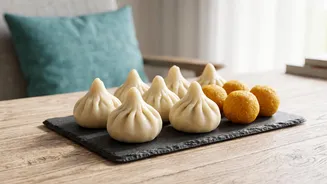
Proper storage begins with understanding what kind of modak you have made. The three most common varieties have very different needs. Steamed modaks (Ukadiche Modak), with their delicate rice flour shell, are the most perishable. Fried modaks (Talniche
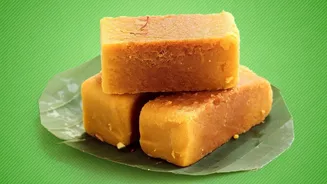
Modak) have a crispy, more durable exterior. Mawa or Khoya modaks are made from milk solids, making them rich but also prone to spoiling if not handled correctly. Each type requires a specific storage method to maintain its unique texture and flavour.
Storing Steamed Modak (Ukadiche Modak)
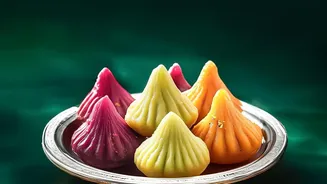
Ukadiche modak are best enjoyed fresh, ideally on the day they are made. Their soft, moist rice-flour covering can become hard and dry quickly. If you have leftovers, place them in an airtight container and refrigerate. They can be stored this way for up to two days. When you're ready to eat them, do not microwave them, as this can make them chewy. Instead, re-steam them for about five minutes to restore their softness and warmth. For longer-term planning, you can freeze unsteamed modaks. Prepare the stuffed dumplings, place them on a plate in the freezer until firm, then transfer them to an airtight container. They can be steamed directly from frozen or after thawing for 15 minutes.
Keeping Fried and Air-Fried Modak Crisp
Fried modaks have a much longer shelf life than their steamed counterparts. The key to keeping them crispy is to store them at room temperature in an airtight container. They will stay fresh and crunchy for about two to three days. Avoid refrigerating fried modaks, as the moisture in the fridge will cause the crispy shell to become soft. Let them cool completely before storing to prevent condensation from forming inside the container. Air-fried modaks have similar storage requirements and can be kept in an airtight container at room temperature for up to four days.
The Rules for Mawa Modak
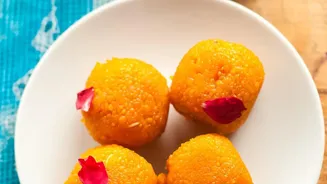
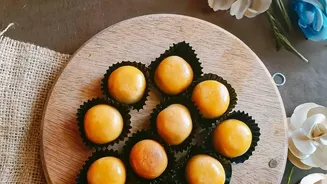
Modaks made from mawa (dried milk solids) are delicious but require careful storage due to their dairy content. Once made and cooled, they should be stored in an airtight container in the refrigerator. They can last for about a week when chilled properly. Some recipes suggest they can be kept at room temperature for a couple of days, but refrigeration is the safest option, especially in warm weather, to prevent spoilage. Before serving, allow them to sit at room temperature for about 15 minutes to soften slightly. For longer storage, mawa modaks can also be frozen for up to two months.
General Food Safety for Homemade Sweets
Beyond specific storage techniques, basic food safety is crucial when preparing festival sweets at home. Always start with clean hands and sanitized utensils and work surfaces to prevent cross-contamination. Use fresh, high-quality ingredients, checking things like coconut and mawa for any signs of spoilage before you begin. When cooking fillings, especially those with jaggery and coconut, ensure they are cooked thoroughly to evaporate moisture, which helps in preservation. Allow all sweets to cool completely to room temperature before packing them into containers. Trapped heat creates moisture, which can lead to sogginess and faster spoilage.