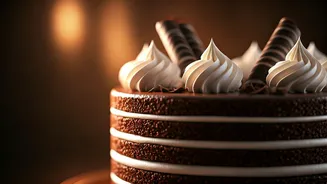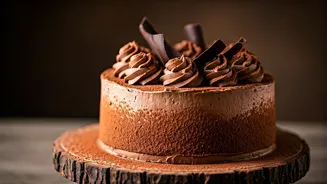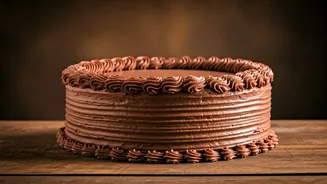




What Exactly Is A Vintage Cake?
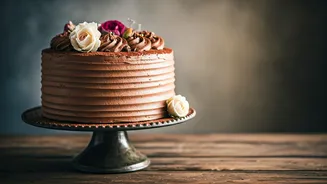
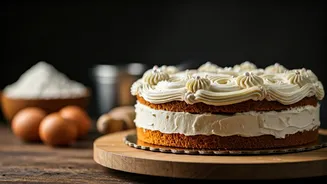
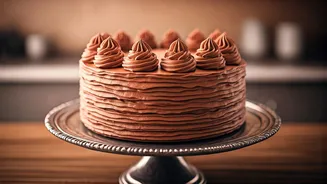
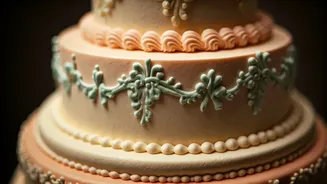
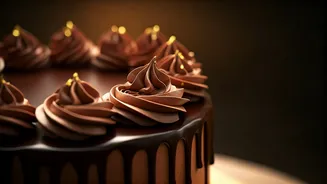
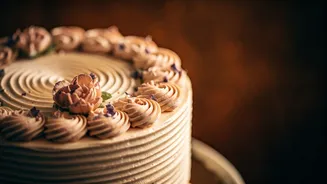
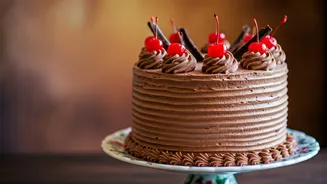
Forget sleek fondant and subtle garnishes. The vintage cake trend is a maximalist's dream, defined by its intricate and lavish buttercream or royal icing details. Think layers of ornate piping, dramatic frills, delicate swags, and an abundance of piped
shells and rosettes. These confections, often in dreamy pastel hues or bold, dramatic colours, are frequently topped with satin ribbons, maraschino cherries, or even edible pearls. The style is heavily inspired by the Lambeth method, a complex piping technique popularized in the 1930s by Joseph Lambeth, which involves creating layered, 3D designs. It’s a deliberate move away from the understated cakes of the 2010s, celebrating texture, craftsmanship, and a romantic, almost theatrical, aesthetic.
A Slice of Nostalgia in a Modern World
So why the sudden craving for these old-school designs? Part of the appeal is a powerful sense of nostalgia. For many, these cakes evoke memories of childhood birthday parties or the classic designs seen in old family photo albums. However, for a younger generation, particularly Gen Z, it's a fascination with a past they never experienced, driven by a broader trend of romanticising vintage aesthetics. In a world saturated with digital screens and minimalist design, the intricate, handcrafted nature of these cakes offers a tangible sense of artistry and uniqueness. This trend is also seen as a reaction to years of pandemic-induced simplicity, with people now craving extravagance and memorable, show-stopping centrepieces for their celebrations.
Fueled by Likes and Feeds
The vintage cake revival is undeniably powered by social media. Platforms like Instagram and Pinterest have become virtual galleries for these edible works of art, turning them into a status symbol for any celebration. The cakes are incredibly photogenic, with their rich details and whimsical charm making them perfect for curated feeds. Bakers across India have found a ready audience online, showcasing their creations and attracting orders for everything from weddings and birthdays to baby showers and even 'just divorced' parties. This digital visibility has helped the trend spread rapidly, with clients often bringing in a specific Instagram post as their order request. According to one Bengaluru pastry artist, it's not uncommon to receive multiple orders for the exact same viral cake design in a single day.
The Baker's Artful Challenge
While these cakes are a delight for customers, they represent a significant but welcome challenge for bakers. The headline's claim that they are 'keeping bakers busy' is an understatement. Creating a vintage cake is a labour-intensive process that demands immense skill, patience, and a very steady hand. The Lambeth-style piping, with its delicate layers and intricate patterns, can take hours, and for highly complex designs, even days. Bakers must master various piping tips and techniques to create the signature scrolls, shells, and lace-like details. This commitment to craftsmanship is what sets these cakes apart and justifies a higher price point, as clients are paying not just for a dessert, but for a bespoke piece of edible art.
An Indian Interpretation
Indian bakers aren't just replicating a global trend; they are adding their own unique spin. While classic flavours like vanilla and chocolate remain popular, there is a growing interest in infusing these vintage-style cakes with local and contemporary tastes. From a design perspective, some bakers are incorporating traditional Indian motifs and colour palettes into the classic Lambeth style, creating a beautiful fusion of cultures. One baker in London, for instance, created a 'Bollywood Lambeth' cake, blending the rich colours and paisley details of a sari with the formal structure of vintage piping. In India, bakeries are seeing a high demand for these customisations, ensuring that while the aesthetic may be vintage, the cake itself is perfectly suited to the modern Indian palate and celebratory context.