

A New Era for Regional Travel
In a significant move to deepen regional integration and stimulate economic growth, India and its neighbours, including Nepal and Bhutan, have activated new protocols under the long-discussed BBIN Motor Vehicles Agreement. While Indians have long enjoyed
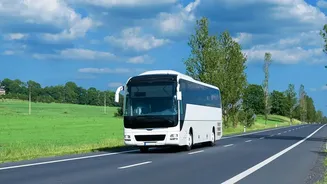
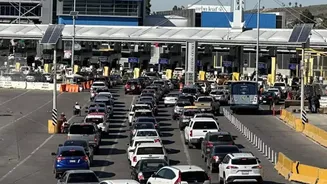
visa-free access to Nepal and Bhutan, this new framework simplifies and expands overland travel by designating new official corridors for tourists. The agreement, which also includes Bangladesh, is designed to allow seamless movement of passenger and personal vehicles across borders, cutting through red tape that has previously hampered smooth overland journeys. This initiative is expected to breathe new life into border towns, transforming them from simple transit points into thriving tourism hubs. The focus is on making cross-border travel not just possible, but easy and appealing for the average tourist looking for a new adventure.
Gateway to Untouched Landscapes
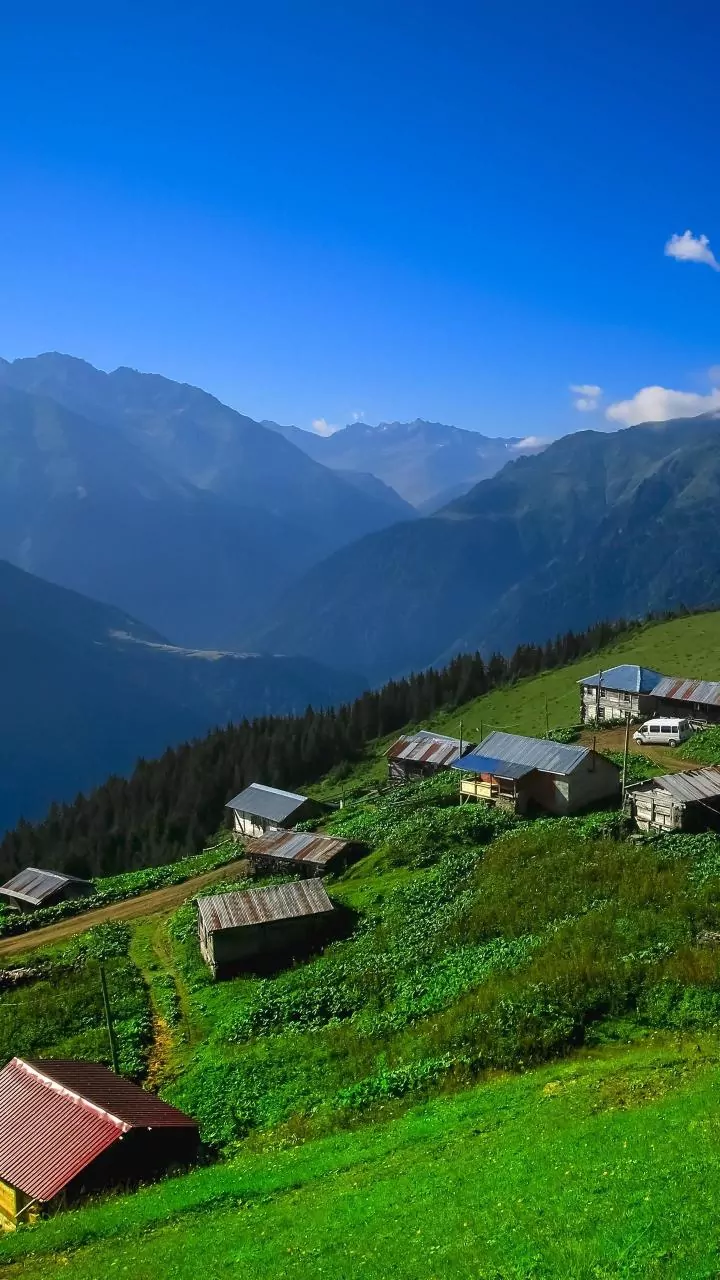
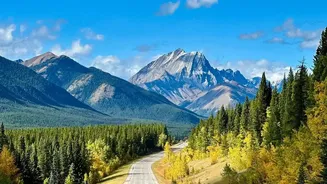
This expansion opens up exciting possibilities for travellers. Beyond the popular Phuentsholing border crossing into Bhutan from West Bengal, the agreement paves the way for easier access through other points like Gelephu and Samdrup Jongkhar in Assam. This provides a direct gateway to the central and eastern parts of Bhutan, regions that are less frequented but rich in culture and natural beauty. Similarly, new routes connecting India's eastern states with Nepal via designated border points will encourage exploration beyond the usual circuits. Imagine driving from the tea gardens of West Bengal directly into the Himalayan foothills of a neighbouring country, with infrastructure and regulations designed to make the journey smooth. This initiative is about unlocking the immense potential of cross-border tourism circuits, such as the shared Buddhist heritage sites that span across these nations.
What This Means for Indian Travellers
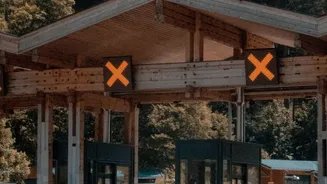
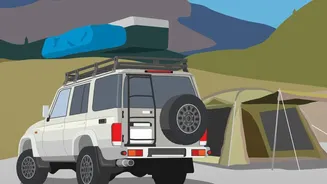
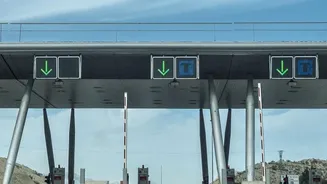
For Indian citizens, the core benefit is convenience. While countries like Nepal and Bhutan are already visa-free, this initiative streamlines the process for those travelling in their own vehicles. The agreement standardises the requirements for permits, routes, and vehicle documentation. Previously, navigating the rules for taking a personal car or motorbike across borders could be a complex affair. Under the new protocols, travellers can expect clearer guidelines, dedicated customs windows, and a more predictable experience. For instance, while an entry permit for Bhutan is still required for Indian nationals, the process at these newly emphasised land borders is being optimised. Travellers must still carry valid identification, such as a passport or Voter ID card, and be prepared for vehicle-specific permits, but the overall system is designed to be more tourist-friendly.
Fueling Border Economies
The primary objective behind this landmark agreement is economic stimulation. Border districts in all participating nations often lag in development compared to their country’s heartlands. By channeling tourists through these regions, the goal is to create a vibrant local economy. This influx of travellers directly supports small businesses like homestays, local eateries, handicraft shops, and guide services. It creates jobs and provides a sustainable source of income that is rooted in the local culture and environment. The Asian Development Bank has supported this initiative, recognising its potential to alleviate poverty and foster balanced regional development. As more travellers choose these overland routes, the demand for local goods and services will grow, creating a powerful ripple effect throughout the community.
Know Before You Go
Planning an overland adventure through these new corridors is exciting, but preparation is key. Always check the latest official advisories from the respective governments before you travel, as rules can change. Ensure your identification documents (passport or Voter ID) have at least six months of validity. If travelling with your own vehicle, gather all necessary paperwork, including registration, insurance, pollution certificates, and your driving license. While visa-free, some areas, particularly in Bhutan, require special route permits for travel beyond the main western towns, which can be obtained after entry. Lastly, embrace the spirit of responsible tourism. Respect local customs, support local businesses, and do your part to preserve the pristine environments you are privileged to explore.