




Understanding the Digital Stampede
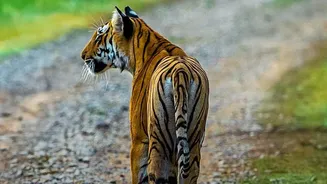
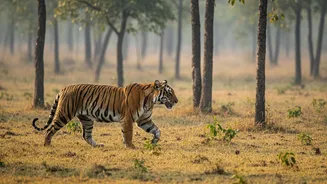
Ranthambore National Park in Rajasthan isn’t just another wildlife sanctuary; it’s one of the world's premier destinations for spotting a Royal Bengal tiger in its natural habitat. Unlike the dense jungles of other reserves, Ranthambore’s landscape of dry
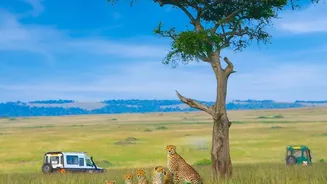
deciduous forests, rocky outcrops, and open grasslands offers better visibility, increasing the odds of a memorable sighting. This reputation, combined with the presence of the historic Ranthambore Fort and a rich diversity of other wildlife, creates immense demand from both Indian and international tourists. The park's administration limits the number of safari vehicles—6-seater Jeeps and 20-seater Canters—allowed into its zones for each of the two daily shifts to protect the ecosystem and ensure a quality experience. This scarcity is the primary reason why, on August 1, 2026, the booking portal was flooded with tens of thousands of applicants the moment it opened for the October to December period.
The Booking Blueprint: How It Works
Securing a safari permit requires planning. Bookings through the official Rajasthan Forest Department website or authorized travel partners typically open at least 90 days in advance. The first step is to gather your information. For every single person in your group, you will need their full name, age, gender, and a valid government-issued photo ID number (like an Aadhaar card, passport, or driver's license). This exact ID must be carried with you on the day of the safari for verification. During the booking process, you’ll choose your preferred date, safari shift (morning or afternoon), and vehicle type (Jeep or Canter). While Jeeps offer a more private and nimble experience, the larger Canters are a budget-friendly alternative. Given the rush, it's crucial to have all details and documents ready to fill out the form quickly once the booking window opens.
Be Flexible with Zones, Not Just Dates
This is the most critical strategy for success. Ranthambore is divided into 10 safari zones, and your permit is issued for a specific one. Historically, Zones 1 to 5 are considered the “core” or “premium” zones, with Zone 3, centered around the park’s beautiful lakes, being particularly famous for sightings. Naturally, these zones are the first to sell out. However, tigers are territorial animals that move freely across the park. The so-called “buffer” zones (6 to 10) can offer equally rewarding experiences, often with fewer crowds. Zone 6, for instance, has gained a reputation for good sightings in recent years. When booking, don't just focus on Zones 1-5. Being open to a safari in Zone 7, 8, or 10 dramatically increases your chances of finding an available slot, especially if you’re booking closer to your travel date. Many seasoned visitors book a mix of core and buffer zones over several days to get a varied experience.
The Smart Traveller's Calendar
Being flexible with dates means more than just having a wide travel window. It means being strategic. The park is open from October 1 to June 30. While the winter months (November to February) offer the most pleasant weather, the hotter, drier months (March to June) are often considered the best for tiger sightings, as the animals are frequently found near the park’s few remaining water sources. If you can tolerate the heat, this can be a rewarding time to visit. More importantly, avoid weekends and major holidays like Diwali and Christmas if you can. The demand for safaris skyrockets during these periods. Opting for a Tuesday or Wednesday in a non-peak month will give you a significant advantage over the thousands competing for a Saturday slot. Morning safaris are often preferred for animal activity, but afternoon trips can be just as fruitful.
Last-Resort and Alternative Options
If you’ve tried everything and still can’t find a spot, there are a couple of other avenues, though they come with trade-offs. The park offers a 'Tatkal' or last-minute quota, where a limited number of Jeep permits are released for a high premium. This is an expensive option designed for those with no other choice, but it guarantees a safari if you're willing to pay the price. Another route is to book your safari through your hotel or a reputable local travel agent. Many establishments hold a certain number of permits for their guests. This can be a convenient, hassle-free option, but it will almost always be more expensive than booking directly and gives you less control over zone selection.