






The Snack Aisle Gets a Makeover
For decades, the Indian snacking landscape was dominated by traditional fried favourites and indulgent treats. Now, a quiet revolution is taking place. Major Fast-Moving Consumer Goods (FMCG) companies like ITC, Britannia, Nestlé, and Marico are aggressively
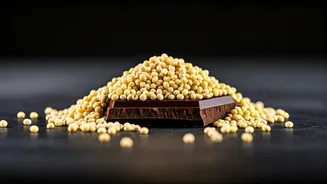
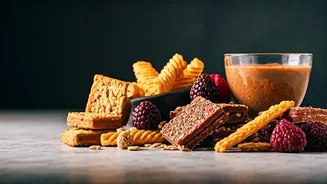
launching and promoting healthier alternatives. This includes a wide array of products such as baked snacks, multigrain biscuits, millet noodles, and drinks with reduced sugar. The Indian healthy snacks market is booming, with projections showing it could reach nearly USD 5 billion by 2032. This shift is a direct response to a powerful new force in the market: the health-conscious Indian consumer.
Why the Sudden Health Kick?
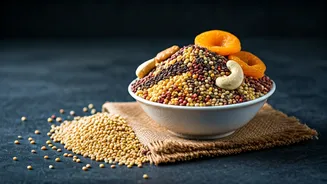
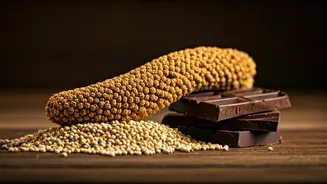
Several factors are driving this transformation. Post-pandemic, there's a heightened awareness of health and immunity, with a NielsenIQ report revealing that 63% of Indian consumers actively seek nutritious snack options. Rising disposable incomes, increasing urbanisation, and a growing understanding of lifestyle-related diseases are also pushing people to reconsider their dietary habits. This isn't just a metro phenomenon; demand is growing in smaller towns too. The government's push for millets as a 'superfood' has also given FMCG giants a clear runway for innovation, leading to a flurry of new products from ragi-based biscuits to jowar noodles.
The Big Brand Playbook
FMCG giants are not just starting from scratch. They are leveraging their formidable strengths: vast distribution networks that reach every corner of the country, huge marketing budgets to build awareness, and extensive R&D capabilities to get the taste just right. Their strategy is twofold. Firstly, they are launching new, health-focused product lines, like Britannia's NutriChoice millet bread or Nestlé's 'a+' Masala Millet. Secondly, they are reformulating existing popular products, such as PepsiCo creating a millet-based version of Kurkure. This approach aims to nudge consumers toward higher-margin premium products that promise better nutrition. The goal is to make healthy options not just available but also desirable and convenient.
The Challenge of 'Health-Washing'
As the market floods with products labelled 'natural', 'fortified', or 'low-fat', a new challenge emerges for consumers: health-washing. This is the practice of making a product seem healthier than it actually is through misleading marketing claims. A product might be advertised as being made with whole grains, while still containing high levels of sugar and sodium. Regulatory bodies like the Food Safety and Standards Authority of India (FSSAI) are stepping in to create stricter guidelines around health claims to protect consumers. For the shopper, this means the age-old advice of reading the nutritional label carefully is more important than ever.
What This Means for You
For the Indian consumer, this trend brings both opportunities and complexities. On the one hand, the increased competition means more choice. You no longer have to hunt for specialty stores to find healthier snacks; they are now readily available in your local kirana and on quick-commerce apps. On the other hand, the premium positioning of these products often comes with a higher price tag. While many consumers are willing to pay more for perceived health benefits, affordability remains a key challenge for widespread adoption. This shift also puts pressure on smaller, direct-to-consumer (D2C) brands that pioneered the healthy snacking space, as they now have to compete with the scale and marketing muscle of the FMCG behemoths.