





The Obvious Health Advantage
The primary driver behind the air fryer's meteoric rise in Indian kitchens is health. Traditional snacks like samosas, pakoras, and vadas get their irresistible texture from being submerged in hot oil. While delicious, this method significantly increases
the food's fat and calorie content. Air frying, which works by circulating hot air at high speed, offers a compelling alternative. This technique can reduce the amount of oil needed by up to 80-90%. For health-conscious families, this translates to enjoying their favourite treats more often, without the guilt or the associated risks of high cholesterol and weight gain linked to frequent consumption of deep-fried foods. This shift is a direct response to a growing awareness around lifestyle-related health issues, making the air fryer a practical tool for everyday wellness.
Convenience for the Modern Kitchen
Beyond the health benefits, convenience is a major selling point. Deep frying is often a messy and time-consuming affair, involving large quantities of oil, potential splatters, and a lingering smell. Air fryers simplify the process immensely. They require minimal preheating, cook food relatively quickly, and the cleanup is usually as simple as washing a non-stick basket. This ease of use is particularly appealing to busy urban households where time is a precious commodity. The ability to achieve a crispy texture for snacks or even reheat leftovers to their former glory without turning on a large oven makes it an efficient and versatile appliance for daily use.
Recreating The Classics, Guilt-Free
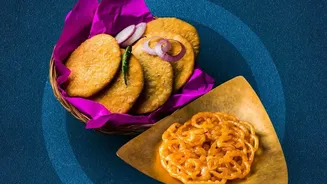
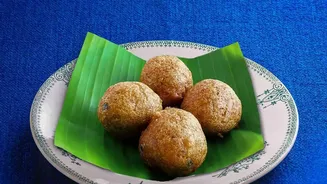
The true test of the air fryer lies in its ability to tackle India's diverse range of regional snacks. The good news is that many beloved classics adapt surprisingly well. Samosas, for instance, can be brushed with a thin layer of oil and air-fried to a golden crisp in about 15 minutes. Potato-based snacks like Aloo Tikki come out crunchy on the outside and soft on the inside. Even more complex snacks like Medu Vada and Sabudana Vada, once thought to require deep frying, can be successfully made in an air fryer with a few adjustments to the batter. Other popular items like Paneer Tikka, Kothimbir Vadi, and even crispy bhindi are also perfectly suited for this cooking method.
Managing Expectations: Taste and Texture
It is important for home cooks to have realistic expectations. While an air fryer gets remarkably close, the taste and texture are not identical to deep-fried food. The richness that oil imparts is naturally reduced. The resulting texture is a different kind of crispiness—often lighter and less greasy. For many, this trade-off is a welcome one, but it is a noticeable difference. The key to success is learning how to work with the appliance. For example, a light brush or spray of oil is often necessary to help with browning and achieve a satisfying crunch, especially for items that aren't naturally fatty. Getting the consistency of batters right for snacks like pakoras can also require some experimentation to prevent dripping.
Tips for the Perfect Air-Fried Snack
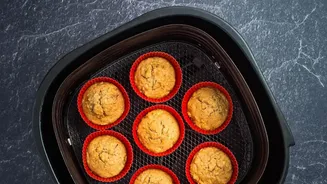
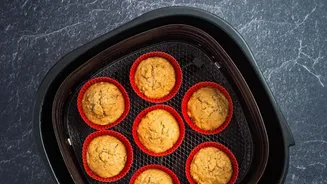
To get the best results when air frying Indian snacks, a few simple rules apply. First, always preheat your air fryer for a few minutes before adding the food. Second, do not overcrowd the basket; arrange food in a single layer to ensure hot air can circulate evenly for maximum crispiness. Overcrowding can trap steam and make snacks soggy. For items that are usually deep-fried, brushing or spraying a small amount of oil is crucial. Finally, remember to shake the basket or flip the snacks halfway through the cooking time. This ensures they brown evenly on all sides, giving you that perfect, crunchy finish for everything from masala peanuts to moong dal kachoris.