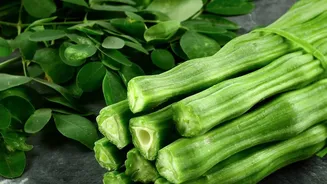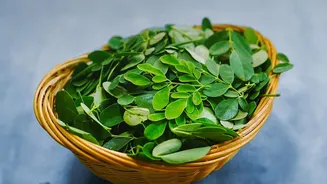






Long before it became a global 'superfood', the drumstick tree, or moringa, was a humble staple in Indian kitchens. Now found in powders and teas worldwide, it's worth asking: what are its real benefits, and how do you use it correctly?
From Traditional Staple to Global Superfood
For generations,
moringa has been a familiar sight in Indian homes, especially in the south. The long pods, known as drumsticks, are a key ingredient in sambar and other curries, while the leaves are cooked into dals and stir-fries. In Ayurveda, it's called 'Shigru', meaning arrow, for its perceived ability to penetrate tissues and clear toxins. It wasn't until recently that the wellness world took notice, rebranding this everyday ingredient as a 'miracle tree'. While many parts of the tree are edible, it’s the leaves, typically dried into a powder, that have gained international fame for their nutritional profile.
The Nutritional Powerhouse: Hype vs. Reality
Moringa leaves are indeed nutrient-dense, containing vitamins A, C, and E, as well as calcium, potassium, iron, and plant-based protein. They are also rich in antioxidants that help fight cellular damage. However, it's important to look at serving sizes. Many impressive claims—like moringa having more vitamin C than oranges or more calcium than milk—are based on a 100-gram serving of dried powder, which is far more than anyone would consume in a day. A realistic daily dose of one or two teaspoons provides a helpful nutritional boost, but it won't replace a balanced diet. The most reliable benefit is its overall nutritional contribution.
The Science-Backed Health Benefits
Beyond basic nutrition, research suggests moringa has other promising, though not definitively proven, benefits. Several small studies indicate it may help lower blood sugar levels, particularly after a meal, which is beneficial for people with diabetes. It also contains anti-inflammatory compounds, which may help reduce the chronic inflammation linked to conditions like heart disease and obesity. Some research points to its potential to help lower cholesterol. However, much of the evidence is still preliminary, based on small human trials or animal studies, and moringa should be seen as a supportive supplement, not a cure for any disease.
Risks and Who Should Be Cautious
For most people, moringa leaf powder is safe in small amounts (around 1/2 to 1 teaspoon daily). However, taking too much can cause digestive issues like nausea and diarrhea. More importantly, moringa can interact with certain medications. Because it may lower blood sugar and blood pressure, it can have an additive effect if you're already taking medications for diabetes or hypertension. It can also interfere with the absorption of thyroid medication like levothyroxine. Furthermore, while the leaves are generally safe, the root and bark may stimulate uterine contractions, so pregnant women should avoid moringa products entirely. Always consult a doctor before starting moringa, especially if you have a chronic health condition or are on medication.
Simple Ways to Add Moringa to Your Diet
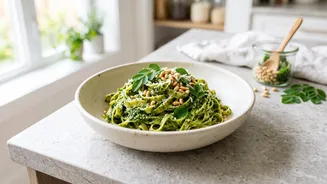
Incorporating moringa into your daily meals is simple and doesn't require a drastic change. The easiest method is to use moringa powder, which has a mild, earthy taste similar to spinach. A smart trick is to add half a teaspoon to your roti or paratha dough before cooking. You can also stir it into a bowl of dal, sambar, or soup right before serving; adding it at the end helps preserve its heat-sensitive nutrients. Blending it into a morning smoothie, mixing it into dosa or idli batter, or simply stirring it into a glass of buttermilk (chaas) or warm water with lemon are other effective ways to get your daily dose without much fuss.