



Munnar, Kerala: Tea Gardens in the Mist
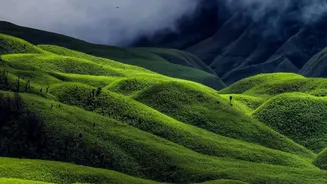
Imagine sprawling tea estates washed in a deep, vibrant green, with misty clouds gently drifting over the hills. That is Munnar during the monsoon. The rainy season, from June to September, transforms this popular Kerala hill station into a tranquil paradise,
with fewer tourists and lower hotel rates. Waterfalls like Attukad and Lakkam, which are modest streams in the dry season, become powerful, roaring cascades. A walk through a rain-drenched spice plantation is an aromatic experience, with the scent of cardamom and pepper hanging in the fresh, clean air. While outdoor activities are best planned for the mornings before the heavier afternoon showers, the cosy weather is perfect for enjoying a hot cup of local tea or indulging in a relaxing Ayurvedic spa treatment.
Cherrapunji, Meghalaya: The Land of Living Bridges and Roaring Falls
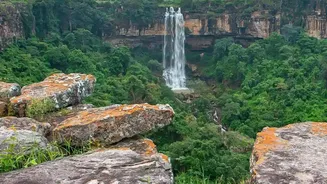
Famous for being one of the wettest places on Earth, Cherrapunji (also known as Sohra) doesn't just endure the monsoon; it thrives on it. Visiting during the peak rainy season reveals Meghalaya at its most spectacular. This is when India's tallest plunge waterfall, Nohkalikai Falls, is at its most dramatic, and the Seven Sisters Falls become a magnificent sight with multiple streams cascading down the cliffs. The region's unique living root bridges, woven from the roots of rubber trees, become even more otherworldly amidst the lush, rain-soaked greenery. While constant rain is a given, it’s the very reason to visit, offering a unique experience for adventurous travellers prepared with waterproof gear. The clouds and mist create a mystical landscape that feels immersive and unforgettable.
Coorg, Karnataka: The Scotland of India at its Greenest
Known for its rolling hills and vast coffee plantations, Coorg comes alive during the monsoon. The entire landscape turns into a vibrant green carpet, earning its nickname, the “Scotland of India.” Abbey Falls and Iruppu Falls, popular tourist spots, are at their most powerful and majestic during this time. A drive through the winding roads offers breathtaking views of mist-covered valleys. While some trekking trails might be slippery, gentle walks through the coffee estates are a must, with the earthy aroma of wet soil and coffee blossoms filling the air. It's a perfect destination for those seeking a serene retreat, with cosy homestays offering a front-row seat to the region's stunning monsoon display.
Udaipur, Rajasthan: The City of Lakes in a New Light
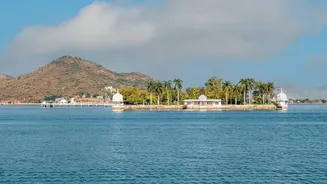
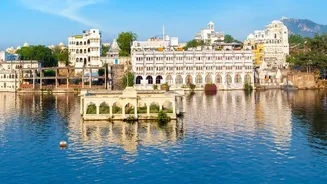
While Rajasthan is known for its arid landscape, Udaipur offers a surprisingly magical monsoon experience. The rain transforms the city, filling up its famous lakes like Pichola and Fateh Sagar, which reflect the grand palaces and cloudy skies. The surrounding Aravalli hills, brown for most of the year, take on a fresh, green hue. The appropriately named Monsoon Palace (Sajjangarh Palace), perched on a hilltop, offers panoramic views of the city enveloped in mist. With cooler weather and fewer crowds than in the peak tourist season, it's the perfect time for a romantic boat ride on Lake Pichola or to simply relax at a rooftop café, watching the rain fall over the majestic cityscape.
Lonavala & Khandala, Maharashtra: The Classic Monsoon Getaway
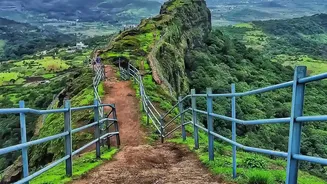
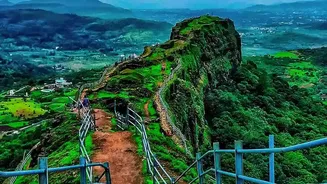
For residents of Mumbai and Pune, Lonavala and Khandala are iconic monsoon destinations. A short drive away, these twin hill stations in the Sahyadri range become a lush green paradise during the rains. The landscape is dotted with overflowing dams like Bhushi Dam and numerous waterfalls that appear on the hillsides. Viewpoints like Tiger Point offer stunning vistas of cloud-covered valleys. The drive itself is part of the experience, with winding ghat roads, misty air, and vibrant green scenery all around. While it can get crowded, especially on weekends, the lively atmosphere, coupled with local snacks like roasted corn on the cob and hot chai, makes it a quintessential Indian monsoon experience.