


The Science of Superior Flavour
The magic of clay cookware lies in its porous nature. Unlike metal pots that heat up quickly and can create hot spots, clay heats slowly and distributes warmth evenly. This gentle, all-around heat allows ingredients to cook thoroughly without burning.
The porosity also means the pot breathes, allowing steam and moisture to circulate continuously. This self-basting environment keeps food incredibly moist and tender, preventing it from drying out. The result is that flavours don't just sit on top; they meld and deepen in a way that metal cookware can't replicate. Many also notice a subtle, earthy aroma that enhances traditional dishes.
Nutritional and Health Advantages
Cooking in clay is not just about taste; it’s also about health. The slow cooking process at lower temperatures helps retain more of the food's natural vitamins and minerals, which can be destroyed by high-heat methods. Because moisture is so well-retained, the need for excess oil is significantly reduced, making for lighter meals. Furthermore, clay is naturally alkaline. This property helps to neutralize the pH balance of acidic ingredients like tomatoes, which can make foods easier to digest. Since unglazed clay pots are made from natural earth, they are free from the chemical coatings found on some non-stick pans, ensuring no harmful toxins leach into your food.
Choosing Your First Clay Pot
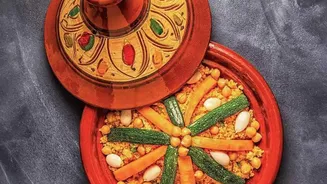
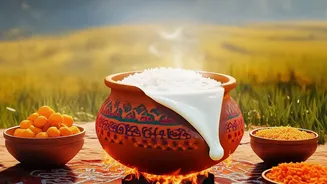
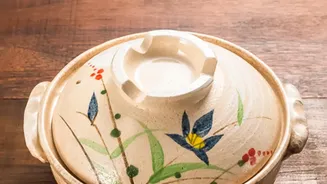
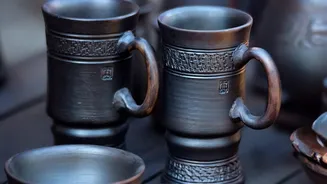
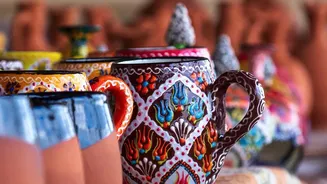
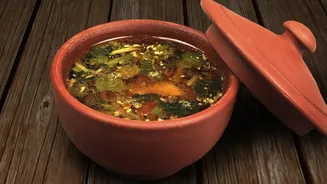
When you're ready to start, you'll find a variety of clay pots, known in India by names like Handi, Matka, or Manchatti. They mainly come in two types: glazed and unglazed. For the most authentic experience and to reap all the benefits of porosity, unglazed pots are the preferred choice. Ensure you are buying from a reputable source to get a pot made from pure, lead-free clay. You'll find pots specifically designed for making everything from biryani and curries to setting curd (dahi). Start with a medium-sized handi with a lid, as it’s versatile enough for a wide range of Indian dishes.
The Ritual of Seasoning and Care
Before you can use your new clay pot, it must be seasoned. This crucial step strengthens the pot and prepares it for cooking. The process typically involves washing the pot gently without soap, then soaking it in water for several hours or overnight. This allows the clay to absorb water into its pores. Some methods then involve boiling starchy water (from rice, for example) inside the pot to help seal the pores naturally. For cleaning, never use soap or harsh detergents, as the porous clay can absorb them and transfer the taste to your food. Instead, use hot water and a gentle scrub brush. For tough stains, a paste of baking soda or rice flour can be used. Always let your pot dry completely in the sun or a well-ventilated area before storing it to prevent mould.
What to Cook in Your Clay Pot
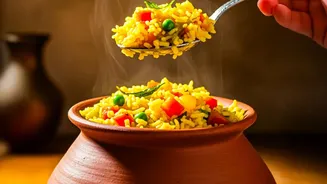
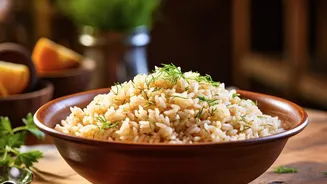
Clay pots are perfect for slow-cooked dishes that benefit from gentle, even heat. In Indian cuisine, this makes them ideal for a variety of beloved recipes. Dum biryani is a classic, where the pot is sealed to trap steam and infuse the rice and meat with spices. Rich, creamy dals like Dal Makhani, which require hours of simmering, become exceptionally flavourful. Fish curries, like the traditional Kerala-style curry made in a manchatti, develop a unique taste that can't be replicated in metal. Chicken korma, vegetable stews, and various kulambus all taste richer and more aromatic when prepared in clay.