



The Sweet Dilemma of Festive Feasting
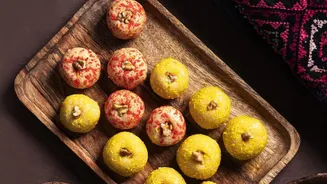
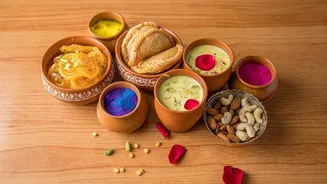
Indian festivals are incomplete without the customary exchange of mithai. Ghee-laden laddoos, sugar-soaked barfis, and decadent halwas are central to our celebrations. However, many of these cherished sweets are made with refined sugar and processed flour
(maida), which are high in calories but low in essential nutrients. This can lead to undesirable sugar spikes and leave you feeling sluggish. In an era where health consciousness is on the rise, many are seeking ways to enjoy the festive spirit without straying from their wellness goals. The good news is that you don't have to give up on sweets entirely; you just need to make a smarter switch.
Enter the Mighty Millets: Ragi and Bajra
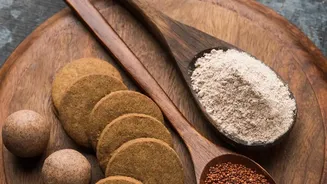
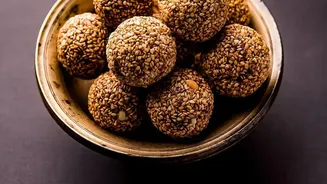
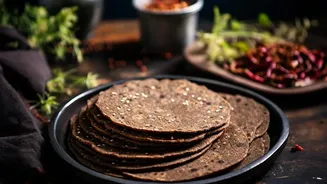
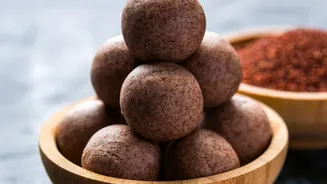
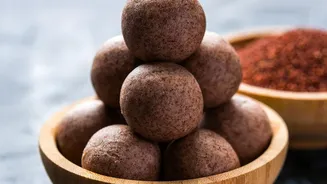
Millets, the ancient grains of India, are making a powerful comeback, and for good reason. Ragi (finger millet) and bajra (pearl millet) are nutritional powerhouses that serve as excellent bases for healthier festive sweets. These grains are naturally gluten-free and packed with dietary fiber, protein, and essential minerals. Unlike refined flour, which is stripped of its nutrients during processing, millets retain their wholesome goodness. When made into laddoos, they offer a satisfyingly dense texture and a delightful, earthy flavour that pairs wonderfully with natural sweeteners like jaggery and nuts.
Ragi: The Nutrient-Packed Powerhouse
Ragi, also known as finger millet, is most celebrated for its incredible calcium content. In fact, it contains one of the highest concentrations of calcium among all cereals, making it fantastic for bone health. This is especially beneficial for growing children and the elderly. Beyond calcium, ragi is an excellent source of dietary fiber, with about 11 grams per 100-gram serving. This high fiber content aids digestion, prevents constipation, and promotes a feeling of fullness, which can help manage weight. It also has a low glycemic index, meaning it releases sugar into the bloodstream slowly, preventing sudden energy crashes.
Bajra: The Pearl of Strength and Warmth
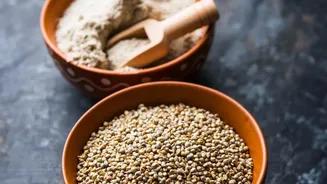
Bajra, or pearl millet, has its own unique set of strengths. It is particularly rich in iron and protein, two nutrients crucial for maintaining energy levels and combating fatigue. With approximately 11-12 grams of protein per 100 grams, bajra is a great plant-based source to support muscle health. It's also a good source of minerals like magnesium and phosphorus, which are important for energy metabolism and bone development. Traditionally consumed in winter for its warming properties, bajra provides sustained energy, making it an ideal ingredient for laddoos that keep you active and vibrant throughout the festive season.
More Than Just Health: A Delight for the Palate
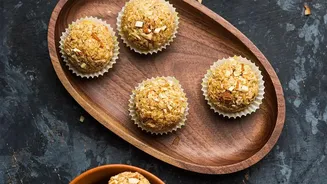
Making the switch to millet laddoos doesn't mean sacrificing taste. Ragi lends a rich, nutty flavour, while bajra offers a subtly sweet taste. When combined with ghee, jaggery, cardamom, and chopped nuts like almonds and cashews, these laddoos are incredibly flavourful and aromatic. The texture is dense and satisfying, offering a wholesome bite that feels more substantial and nourishing than its sugary counterparts. You can even find recipes that incorporate other healthy ingredients like seeds, dates, and coconut to further enhance the taste and nutritional profile. These laddoos prove that healthy food can be, and should be, delicious.
Making the Healthy Switch at Home
Preparing ragi and bajra laddoos at home is surprisingly simple. The process typically involves dry roasting the millet flour until it releases a nutty aroma. Then, ghee is added, followed by a natural sweetener like powdered jaggery, which is a healthier, mineral-rich alternative to refined sugar. Finally, cardamom powder and chopped dry fruits are mixed in. Once the mixture cools slightly, it's rolled into balls. By making them at home, you have complete control over the ingredients, ensuring there are no hidden sugars or artificial additives. It’s a rewarding way to bring both health and tradition into your festive kitchen.