




Why Food Spoils Faster in Monsoon
The primary culprit during the rainy season is moisture. High humidity in the air provides the ideal environment for bacteria, fungi, and other microorganisms to thrive. When this moisture settles on food items left at room temperature, it accelerates
the process of decay. This is why you might notice your bread getting mouldy faster or vegetables wilting quicker than in other seasons. Warmth combined with dampness creates a hotbed for germs, making proper storage not just a matter of freshness, but of health. Understanding this helps in taking targeted preventive measures.
Handle Fresh Produce with Care
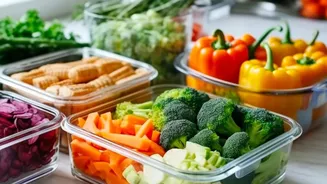
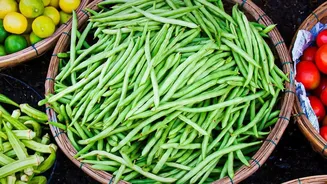
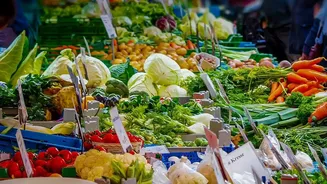
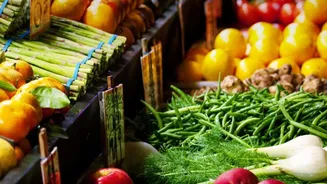
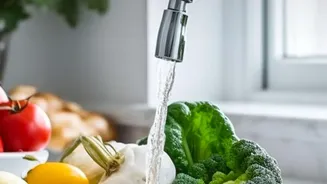
Leafy green vegetables are particularly susceptible to spoilage. It is best to buy them in smaller quantities more frequently. Before storing, wash them thoroughly and dry them completely. Wrapping leafy greens like spinach in paper towels can absorb excess moisture and keep them crisp for longer. For other vegetables like cauliflower and beans, storing them in breathable bags in the refrigerator helps maintain freshness. Avoid washing fruits and vegetables until you are ready to use them, as lingering moisture encourages rot. When you do wash them, use clean running water; soaking them in a weak salt or vinegar solution can also help remove germs.
Secure Your Pantry Staples
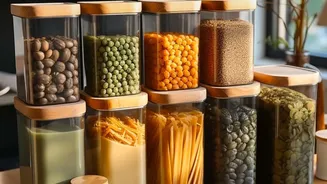
Dry goods are not immune to the monsoon's dampness. Flour, lentils (dals), rice, and spices can all clump together and become breeding grounds for weevils and mould. The key is using airtight containers. Transfer these items from their original sacks or packets into glass or high-quality plastic jars with tight-fitting lids. For spices, you can lightly roast them before storing to remove any inherent moisture, which helps preserve their flavour and aroma. Adding a few dried neem leaves or a bay leaf to containers of grains and pulses is a traditional trick that helps deter pests.
Manage Cooked Food and Leftovers
Cooked food should never be left at room temperature for extended periods, especially during the monsoon. Bacteria can multiply rapidly in warm, humid conditions. If you have leftovers, they should be refrigerated as soon as they cool down, preferably within two hours of cooking. Store them in clean, airtight containers to prevent cross-contamination and odours in the fridge. When it is time to eat the leftovers, ensure you reheat them thoroughly until they are steaming hot to kill any bacteria that might have developed. Eating freshly prepared food is always the safest option during this season.
Prioritise Kitchen and Water Hygiene
Overall kitchen cleanliness is fundamental. Regularly clean and disinfect countertops, chopping boards, and knives, as they can harbour germs. It's crucial to use separate cutting boards for raw meat and vegetables to avoid cross-contamination. Since many monsoon illnesses are water-borne, ensure the water you use for cooking and drinking is safe. It is advisable to drink boiled or filtered water. Finally, good personal hygiene, like washing your hands with soap before handling any food, is one of the simplest and most effective ways to prevent the spread of infections.
A Word on Street Food
While the craving for hot pakoras and chaat intensifies with the rain, it is wise to be cautious. Street food vendors may face challenges in maintaining hygiene, especially with exposure to the elements and potentially contaminated water. Raw chutneys, pre-cut salads, and beverages with ice from unknown sources can be particularly risky. If you do indulge, choose vendors who are known for their cleanliness and serve freshly prepared, hot food. A safer alternative is to try and recreate your favourite street-side snacks at home.