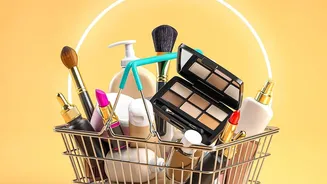







The Dangers of a Bad Bargain
A steeply discounted luxury serum might seem like a steal, but the real cost can be alarmingly high. Fake cosmetics are produced in unregulated, often unsanitary conditions and can contain a cocktail of harmful ingredients. Seized counterfeit products
have been found to contain everything from lead, mercury, and arsenic to bacteria and other dangerous substances. These can cause severe skin reactions, including acne, rashes, chemical burns, and infections. Beyond the health risks, you're also losing money on a product that doesn't deliver the quality or results of the genuine article. A recent study highlighted that a significant number of Indian consumers have unintentionally purchased counterfeit goods, underscoring the need for vigilance.
Start by Vetting the Seller
Your first line of defence is choosing where you shop. Whether online or offline, always prioritise authorised retailers. For online platforms, don't just trust a flashy page. Check the seller’s rating and read through verified buyer reviews, paying close attention to comments about authenticity, packaging, and quality. Many e-commerce sites like Nykaa or Flipkart have official brand storefronts or list authorised sellers. If you're shopping at a physical store, ask if they are an authorised dealer for the brand. Unauthorised resellers in local markets are a common source of counterfeit goods. Buying directly from the brand's official Indian website or a known, reputable retailer is always the safest bet.
Look for the Legal Importer Sticker
In India, all legally imported cosmetics must comply with specific regulations set by the Central Drugs Standard Control Organization (CDSCO). This means every genuine imported product sold legally in the country must have a special label or sticker affixed to it. This label should clearly display crucial information: the name and address of the importer, the manufacturing details, and most importantly, the import registration certificate number. This certificate (often in the Form COS-2 format) is proof that the product has been registered with the Indian authorities and meets local safety standards. If this sticker is missing, or if the details look suspicious or are poorly printed, consider it a major red flag.
Scrutinise the Product and Packaging
Counterfeiters have become skilled at mimicry, but there are often subtle giveaways. Compare the product in your hand with images on the brand's official website. Look for discrepancies in font, logo placement, and colour. Spelling errors or poor-quality printing on the box or label are classic signs of a fake. Authentic high-end products have quality packaging; the materials should feel substantial, not flimsy. Check for a batch number, manufacturing date, and expiry date. These should be clearly printed, not smudged or missing. Many brands also now include security features like holograms or QR codes that you can scan to verify authenticity.
If the Price Seems Too Good to Be True, It Is
One of the most powerful lures used by counterfeit sellers is an unbelievably low price. While everyone loves a good sale, a premium international product being sold at a massive discount—well below its typical market price—is highly suspicious. These sellers operate on volume, and such low prices are often an indicator that corners have been cut, whether in the ingredients, manufacturing, or legality of the import. Before making any purchase, do a quick search to see the product's standard retail price in India. If a deal seems too good to be true, it's a strong signal to walk away.
What to Do If You Suspect a Fake
If you believe you've purchased a counterfeit product, you have recourse. Under the Consumer Protection Act, you have the right to safety and redressal against unfair trade practices. First, try to return the product to the seller for a refund. If you bought it from an online marketplace, report the seller on the platform. You can also file a formal complaint with a consumer forum. Reporting counterfeit sellers not only helps you but also protects other consumers from falling into the same trap. Law enforcement authorities can also take action against sellers of fake goods based on complaints.