





The New Deciding Factor
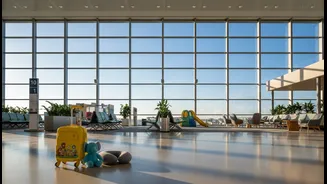
For decades, the primary filters for booking travel were simple: price, schedule, and airline loyalty. However, for the growing segment of family travelers, a new set of criteria is emerging. The pre-flight experience, once a chaotic hurdle to be endured,
is now a crucial part of the journey. Parents are increasingly willing to choose flight routes, and even airlines, based on the quality of an airport's family-friendly facilities. This shift acknowledges a simple truth: a two-hour layover with a content child is infinitely better than a 45-minute connection filled with stress and meltdowns. An IATA survey found that a majority of parents are more likely to spend money on shopping and dining if an airport provides adequate family facilities, proving that this is a smart business decision, not just a goodwill gesture.
Beyond a Simple Play Area
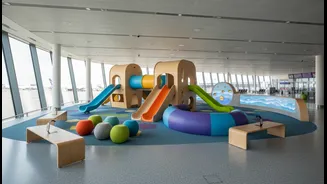
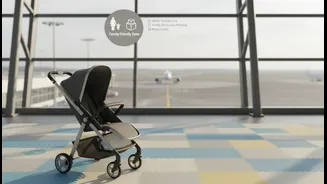
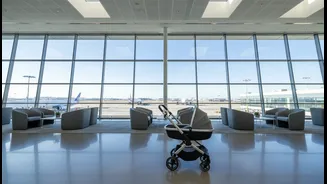
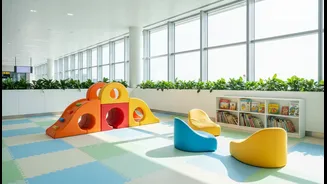
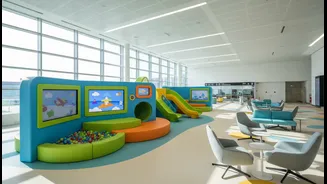
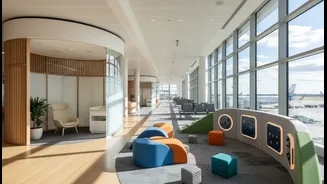
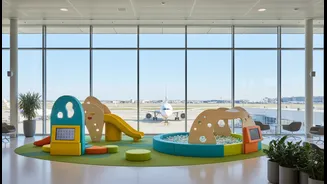
What constitutes a 'family-friendly' amenity has evolved significantly. While a small, token play area was once sufficient, today's parents expect a more comprehensive suite of services. The gold standard now includes dedicated, clean, and interactive play zones that allow children to burn off energy safely. But it goes further. Private and well-equipped baby care rooms for feeding and changing are essential. Many airports now offer these with comfortable seating and even hot water stations. Family-only security lanes are another game-changer, reducing the stress of juggling children, luggage, and the removal of shoes and electronics. Complimentary strollers, which can be picked up after check-in and dropped at the boarding gate, are also becoming a highly valued service.
Indian Airports Leading the Way
Several of India’s major hubs are embracing this trend with impressive results. Recently, both Bengaluru's Kempegowda International Airport and Hyderabad's Rajiv Gandhi International Airport were ranked among the world's top five most family-friendly airports. This prestigious recognition, based on a global survey, considered factors like play areas, family security lanes, and baby-changing facilities. Hyderabad Airport is noted for its dedicated kids' play areas, family rooms, complimentary strollers, and even therapy dogs to soothe anxious young travelers. Bengaluru's airport has also been praised for its children's play zones, stroller assistance, and family-friendly lounges. Delhi's Indira Gandhi International Airport has also rolled out its 'Family@DEL' initiative, offering dedicated entry gates, check-in counters, and priority security for families across its domestic terminals. Mumbai's Chhatrapati Shivaji Maharaj International Airport provides baby care rooms, stroller access and a children's play area.
The Global Gold Standard
Internationally, airports like Singapore's Changi, Amsterdam's Schiphol, and Istanbul Airport set an incredibly high bar. Changi is famous for its massive indoor slide, butterfly garden, and themed interactive games. Schiphol features a 'Kids Forest' play area with interactive, nature-themed elements. Istanbul Airport, ranked as the world's best for families, provides everything from multi-story play structures to special family lounges and fast-track immigration for those with young children. These airports demonstrate that the terminal itself can be an exciting part of the travel adventure, not just a waiting room. They provide a blueprint for how thoughtful design and investment in the family experience can transform a stressful necessity into a memorable part of the holiday.
Why It's Good Business
Investing in family amenities is more than just a customer service initiative; it's a savvy economic strategy. Relaxed families with entertained children have a longer 'dwell time' in the terminal and are significantly more inclined to spend money. They are more likely to sit down for a meal at a restaurant, browse retail shops, and make impulse purchases on toys or travel games. A parent whose child is happily occupied is more likely to buy a coffee, a book, or a souvenir. By creating an environment that reduces stress for parents and delights children, airports are fostering a captive audience that is more relaxed, happier, and has a higher propensity to spend. This transforms the airport from a mere utility into a comprehensive commercial experience.