







The 'Magic' Bin Explained
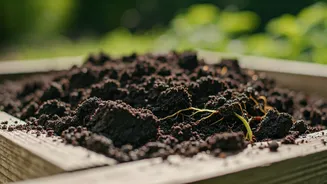
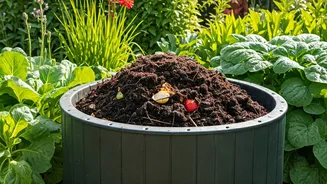
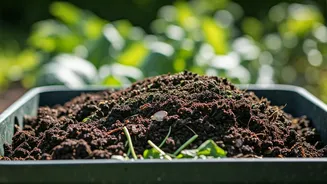
The transformative bin we’re talking about is a compost bin. Composting is simply the process of recycling organic matter—like your fruit and vegetable peels, coffee grounds, and garden trimmings—into a rich, dark, soil-like material called compost. Think
of it as creating ‘black gold’ for your plants. Instead of sending your kitchen scraps to a landfill where they generate harmful methane gas, you can use them to create a powerhouse of nutrients. It’s a simple, natural process that mimics how forests replenish their own soil, and you can easily replicate it right in your balcony or backyard.
Why Your Garden Will Love It
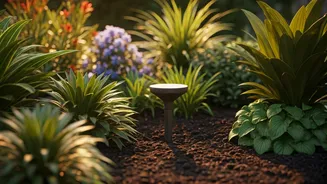
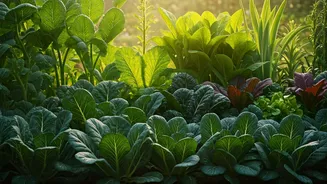
The term 'transform' isn't an exaggeration. Adding compost to your garden soil has profound benefits. Firstly, it enriches the soil with a full spectrum of essential nutrients, acting as a slow-release fertiliser that feeds your plants over time. This leads to healthier growth, more vibrant flowers, and a better harvest from your vegetable patch. Secondly, compost dramatically improves soil structure. For a country like India with varied climates, this is key. In heavy clay soils, it improves drainage. In sandy soils, it helps retain moisture, reducing your need to water as frequently. This resilient soil is also better at resisting pests and diseases, meaning you can rely less on chemical pesticides. You’re not just feeding your plants; you’re building a living, healthy ecosystem from the ground up.
Choosing the Right Bin
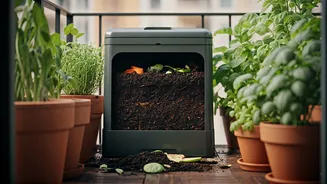
Getting started is easier than you think, with options for every space and budget in India. For apartment dwellers with balconies, stackable terracotta composters like the ‘Khamba’ are incredibly popular. They look aesthetic, manage moisture well, and are odour-free when managed correctly. Ventilated plastic bins are another compact and affordable option. If you have more space in a backyard, you can opt for a larger tumbler-style composter that makes turning the pile easy, or even build a simple enclosure with bricks or wood. The key features to look for are good aeration (holes for air to circulate) and a way to drain excess liquid (leachate), which is also a potent liquid fertiliser when diluted.
The Simple Recipe for Compost
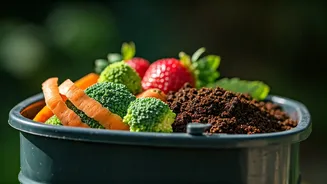
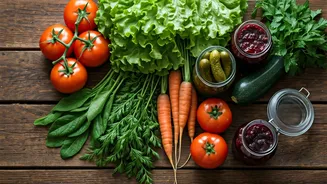
Successful composting is all about balance. The recipe is simple: you need a mix of ‘Greens’ and ‘Browns’. ‘Greens’ are nitrogen-rich, wet materials. This includes most of your kitchen waste: vegetable scraps, fruit peels, tea leaves, coffee grounds, and fresh grass clippings. ‘Browns’ are carbon-rich, dry materials. Think dried leaves (the most common and best source), shredded newspaper, cardboard, sawdust, and cocopeat (which is readily available and excellent for maintaining aeration and moisture balance). A good rule of thumb is to add roughly two parts ‘Browns’ for every one part ‘Greens’. This ratio prevents the pile from becoming slimy and smelly, ensuring it breaks down efficiently.
What Goes In, and What Stays Out
To keep your compost healthy and odour-free, it's important to know what to add. **YES, PLEASE:** Vegetable peels, fruit scraps, eggshells (crushed), coffee grounds, tea leaves/bags (without the staple), wilted flowers, and all your dry 'Brown' materials. **NO, THANK YOU:** Avoid adding meat, fish, bones, dairy products, and oily or greasy foods. These materials attract pests and can create foul odours as they break down. Also, steer clear of pet waste and diseased plants, as they can introduce harmful pathogens into your final compost.
Troubleshooting Common Problems
Don’t be discouraged if you hit a small snag. Most composting problems are easy to fix. **Is it smelling bad?** Your pile is likely too wet and lacks air. The fix is simple: add more dry 'Browns' like dried leaves or cocopeat and give the pile a good turn with a rake or stick to aerate it. **Is it not breaking down?** Your pile might be too dry. Sprinkle some water on it—it should feel as damp as a wrung-out sponge. Also, ensure you have enough 'Green' material to kickstart the decomposition. **Are there pests?** This usually happens if you've added prohibited items like meat or dairy. Remove them if you can and cover any fresh food scraps with a layer of 'Browns' to discourage insects.