



Why Drainage Is Your Garden's Best Friend
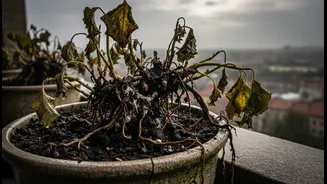
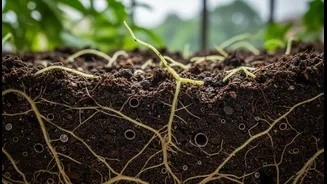
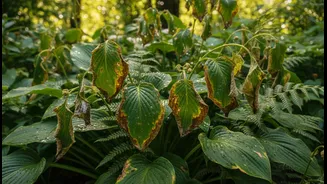
When water can't escape, soil becomes saturated, and plant roots are deprived of the oxygen they need to breathe. This condition, known as waterlogging, is one of the leading causes of plant death during the monsoon. The symptoms are often misleading;
a plant might wilt and its leaves may turn yellow, making you think it needs more water when it's actually drowning. Persistent wetness also creates a perfect breeding ground for root rot and other fungal diseases that can quickly destroy an otherwise healthy plant. A simple drainage check now can prevent heartbreak later.
The Potted Plant Audit
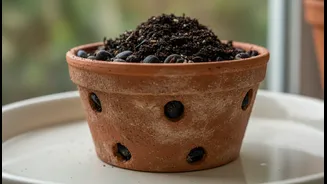
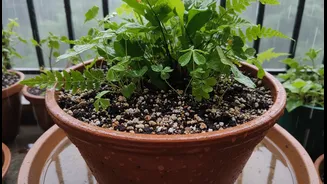
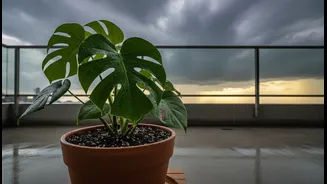
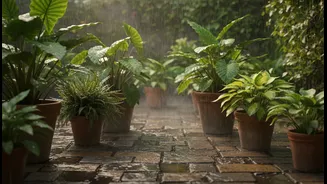
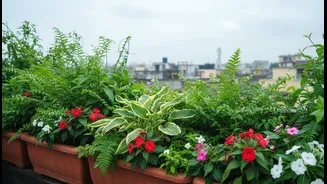
For the millions of Indians who garden on balconies and terraces, potted plants are the most vulnerable. Start by checking every pot. Ensure each one has at least one clear drainage hole at the bottom. Over time, these can get clogged with compacted soil or roots. Use a stick or screwdriver to gently clear any blockages. A simple but highly effective trick is to elevate your pots. Placing them on bricks, pot feet, or simple stands allows air to circulate underneath and ensures excess water can escape freely. If you notice water collecting in the saucer beneath a pot, empty it promptly.
Solutions for Garden Beds
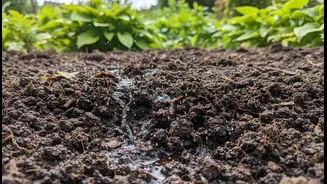
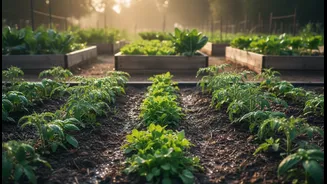
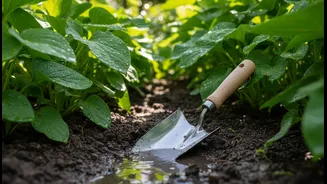
If you have plants in the ground, take a walk after a heavy shower and look for puddles. Areas where water stands for more than an hour are problem spots. For these low-lying areas, you can create shallow channels, just a few centimetres deep, to guide excess water away from plant bases. Another effective long-term solution is to improve the soil structure itself. Amending heavy clay soil by mixing in organic matter like compost helps create better air pockets and improves permeability. For particularly stubborn spots, consider building raised beds, which offer complete control over drainage.
Quick Fixes and Proactive Care
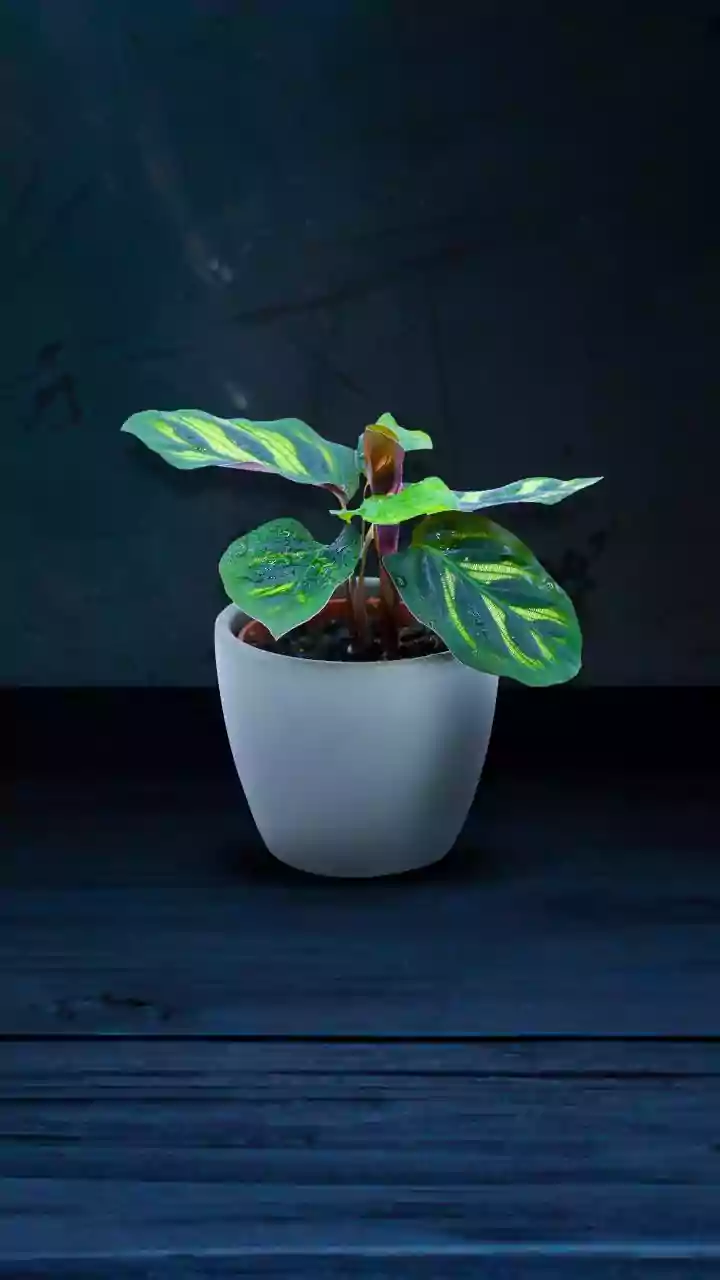
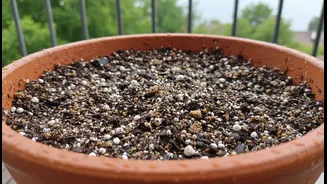
If you find a plant is already waterlogged, you may still be able to save it. Gently aerating the soil with a stick or a fork can help introduce air to the root zone. For heavy pots that are difficult to move, tilting them for a few hours after rain can help drain trapped water. A more proactive measure is to adjust your potting mix. Before the next planting season, consider creating a mix that contains ingredients like compost, cocopeat, and perlite or coarse sand, which provides a better balance of moisture retention and drainage. Grow bags are also an excellent alternative to plastic pots, as their fabric construction allows water to escape from all sides.
Don't Forget to Adjust Watering
It may seem obvious, but it’s a common mistake to continue watering plants on a fixed schedule during the monsoon. The humid air and frequent rain mean that the soil dries out much more slowly. Always check the soil before you water. A good rule of thumb is to stick your finger about an inch or two into the soil. If it feels dry at that depth, then it's time to water. For most plants, especially those exposed to rain, you may not need to water them at all for days at a time. Learning to read your plants' needs, rather than relying on a routine, is the key to successful monsoon gardening.