


Decoding the Bag: What is Kibble?
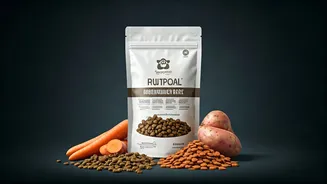
Commercial kibble is the most common and convenient option for dog owners. It’s made by combining ingredients like meat, grains, and vegetables into a dough, which is then cooked under high heat and pressure in a process called extrusion. This method
creates shelf-stable pellets. To be sold, these foods must meet minimum nutritional standards, often set by bodies like the Association of American Feed Control Officials (AAFCO), ensuring they are 'complete and balanced'. However, the quality can vary dramatically. Lower-cost kibbles may use fillers like corn and soy or vaguely defined 'meat meals' as their primary protein sources. The high-heat process can also diminish the natural nutrient content, requiring manufacturers to add synthetic vitamins and minerals back in.
The Personalised Plate: The Custom Meal Advantage
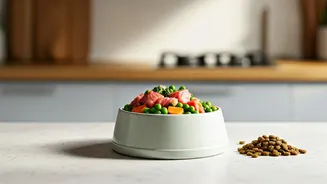
Custom vet-approved meals are fundamentally different. These diets are formulated by veterinary nutritionists based on an individual dog's specific needs, including age, breed, weight, activity level, and health conditions. The process often starts with a detailed questionnaire and a review of your pet’s medical records by a nutrition team. The result is a recipe made with whole-food ingredients like real meats and fresh vegetables that are gently cooked to preserve their nutritional integrity. This tailored approach aims not just to feed, but to actively support a dog's health, whether that means managing a sensitive stomach, addressing skin allergies, or supporting kidney function.
Nutrient Quality and Digestibility
One of the most significant advantages of fresh, custom meals lies in the bioavailability of their nutrients—meaning how easily your dog's body can absorb and use them. Gently cooked, whole-food ingredients are typically easier to digest than the highly processed components of many kibbles. Many pet parents who make the switch report visible improvements in their dog’s stool quality; smaller, firmer stools suggest that more nutrients are being absorbed and less is going to waste. Furthermore, the quality of protein in fresh meals, often from specified muscle and organ meats, is generally higher than the rendered by-products found in some dry foods.
Addressing Specific Health Concerns
While some commercial kibbles are formulated for issues like weight management or joint support, a custom diet offers a level of precision that's hard to match. Diet is a key factor in many common canine health problems, including obesity, pancreatitis, skin conditions, and digestive upset. For instance, a dog prone to pancreatitis may need a diet strictly controlled for fat content, while a dog with food allergies can have a meal plan created that completely avoids their specific triggers. This targeted nutrition can help manage chronic conditions and potentially reduce the need for veterinary interventions over the long term.
Hydration, Palatability, and Long-Term Health
Kibble is very low in moisture, typically containing only around 10%. Dogs on a dry-food-only diet must drink a lot of water to compensate and may operate in a state of mild, chronic dehydration, which can strain the kidneys over time. Fresh food, with a moisture content of around 70-80%, provides essential hydration through meals, mimicking the natural diet of a canid. This also makes the food more aromatic and palatable, which is a major plus for picky eaters or senior dogs with a diminished sense of smell. Healthier skin, a shinier coat, and increased energy levels are other commonly reported benefits after switching from kibble to fresh food.
The Practical Side: Cost and Convenience
There's no denying that commercial kibble is the winner when it comes to convenience and upfront cost. It's easy to store, has a long shelf life, and is simple to serve. Custom meals require refrigeration or freezing and are significantly more expensive on a per-meal basis. However, many proponents argue that the higher initial cost of fresh food can be offset by lower long-term veterinary bills, as a better diet may help prevent chronic health issues. For some pet owners, a hybrid approach of mixing kibble with fresh food can offer a balance between nutritional benefits and budget.