


The Monsoon Rush Is Real
Traditionally, the months from June to September were a lean period for Kerala's vibrant tourism industry. The conventional wisdom was simple: tourists seek sunshine, not downpours. But that wisdom is being washed away by a torrent of new interest. This
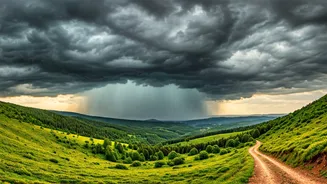
year, industry bodies and hotel associations across the state are reporting a phenomenal surge in bookings, particularly from domestic travellers. Major tourist destinations like Munnar, Wayanad, and the backwaters of Alappuzha have seen occupancy rates soar, often reaching levels previously seen only during the peak winter season. This isn't just a minor uptick; it's a fundamental shift in travel patterns, transforming the perception of the monsoon from a deterrent into a primary attraction.
From Off-Season to Peak Season
So, what’s driving this dramatic change? It’s a combination of strategic marketing and a shift in traveller priorities. For years, Kerala Tourism has been actively promoting 'monsoon tourism', rebranding the season as a time for romance, rejuvenation, and unique experiences. They’ve successfully sold the dream of sipping hot tea while watching the rain lash against lush greenery from a comfortable resort balcony. This campaign has found a receptive audience in a post-pandemic world, where travellers are increasingly looking for authentic, less-crowded, and wellness-oriented getaways. The 'off-season' tag once meant lower prices and fewer people, an advantage that initially drew budget-conscious travellers. Now, the allure of the experience itself is creating its own peak season, proving that a destination’s biggest perceived liability can become its greatest asset.
The Allure of Rain-Washed Wellness
A key pillar of this monsoon boom is Ayurveda. The ancient system of medicine holds that the monsoon is the ideal time for treatments and therapies. The theory is that the cool, moist, and dust-free atmosphere helps the body become more receptive to healing. Pores open up, making treatments like 'Panchakarma' more effective. This has turned Kerala into a global hub for wellness seekers during these months. Tourists from across India and abroad are booking extended stays at Ayurvedic resorts and hospitals, combining their vacation with rejuvenation packages. It’s a powerful draw that transcends typical sightseeing, offering a deeper, more restorative travel purpose that aligns perfectly with the quiet, introspective mood of the season.
Where the Magic Is Happening
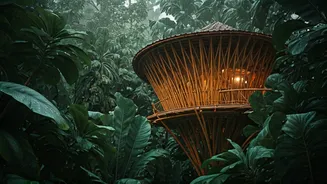
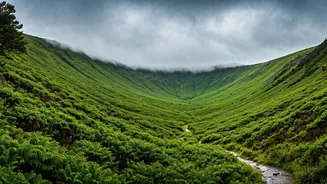
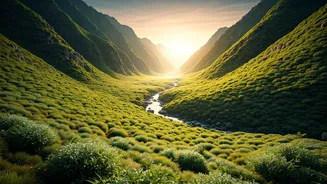
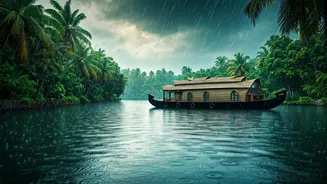
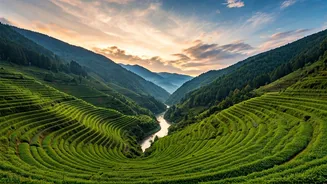
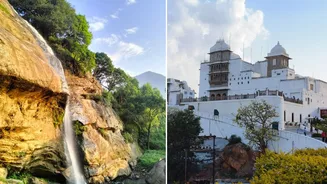
While the entire state benefits, certain areas are clear epicentres of this monsoon trend. The hill stations of Munnar and Wayanad are particularly popular, as the rains transform the tea plantations and forests into misty, emerald-green wonderlands. Waterfalls are at their majestic peak, and the air is crisp and clean. The backwaters offer a different kind of magic. A houseboat cruise through the intricate network of canals while it rains is an experience many now seek, finding it more romantic and dramatic than a trip under the harsh sun. Tour operators have responded with curated monsoon packages that include everything from guided treks through the rain-soaked forests to special culinary experiences featuring seasonal delicacies. This has created a robust ecosystem where every aspect of the travel experience is tailored to the rains.