






The Divine Slumber and a Cosmic Shift
Devshayani Ekadashi, which falls on July 25, 2026, is a significant day in the Hindu calendar, literally translating to the 'God's sleeping eleventh day'. According to scriptures, this is the day Lord Vishnu, the preserver of the universe, enters a state
of cosmic slumber, or 'Yoga Nidra', in the celestial ocean known as Ksheer Sagar. This divine rest is not a sign of absence but a symbolic act that ushers in a period of introspection and inner work for devotees. Lord Vishnu's slumber lasts for four months, a sacred period known as 'Chaturmas'. During this time, it is believed Lord Shiva takes over the responsibility of managing the universe. As a result, auspicious ceremonies like weddings and housewarmings are traditionally postponed until Lord Vishnu awakens on Prabodhini Ekadashi. This period encourages a shift from worldly affairs to spiritual discipline, including fasting, charity, and prayer.
Welcoming the Monsoon
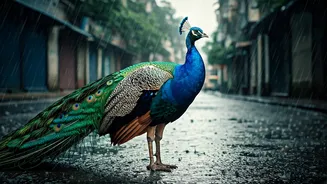
The timing of Devshayani Ekadashi and the subsequent Chaturmas is deeply intertwined with the arrival of the monsoon season in India. This is no coincidence. Ancient traditions often have a practical and scientific basis, and the practices during Chaturmas are a testament to this wisdom. The monsoon rejuvenates the parched earth, making it a crucial time for agriculture and life itself. However, the rainy season also brings a host of challenges. The increase in humidity and dampness can lead to a higher prevalence of water-borne diseases and infections. The digestive system, or 'Agni' (fire) in Ayurveda, is believed to weaken during this period, making people more susceptible to illness. The customs of Chaturmas, therefore, serve as a guideline for living in harmony with nature's cycle, promoting a lifestyle that bolsters health and immunity when it's most needed.
The Science of Sattvic Eating
Food is central to the observance of Devshayani Ekadashi and Chaturmas. The fasting and dietary changes prescribed are deeply rooted in Ayurvedic principles for monsoon wellness. On Ekadashi, devotees typically observe a fast, with some abstaining even from water (nirjala), while others follow a fruit or milk-based diet. During the entire four-month period, there is a significant shift in diet. Heavy, rich, and non-vegetarian foods are generally avoided. Onions, garlic, and certain spices, considered 'tamasic' (foods that can cause sluggishness), are also shunned. Instead, the focus shifts to 'sattvic' foods — those that are light, pure, and easy to digest. This includes seasonal fruits, milk products, nuts, and specific grains like barnyard millet (samak rice). Ayurveda recommends eating warm, cooked meals, like khichdi and soups, spiced with ginger, cumin, and turmeric, which aid digestion and boost immunity. This dietary discipline helps maintain a healthy gut and protects the body from seasonal ailments.
Rituals of Reflection and Discipline
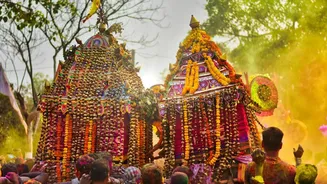
The day of Devshayani Ekadashi begins early for devotees, often before sunrise in the Brahma Muhurat. After a ritual bath, they take a 'Sankalp' or vow to observe the fast and the period of Chaturmas with sincerity. Prayers are offered to Lord Vishnu and his consort, Goddess Lakshmi, often with yellow flowers, fruits, and sweets. Chanting the 'Om Namo Bhagavate Vasudevaya' mantra and reciting the Vishnu Sahasranama are common practices throughout the day. The fast is broken the next morning, on Dwadashi tithi. The four months of Chaturmas that follow are dedicated to self-discipline, spiritual reading, and heightened devotion. It’s a time to pause, reflect, and purify the mind and body, aligning oneself with the quieter, more introspective energy of the monsoon season.