






The Annual Symphony of Chaos
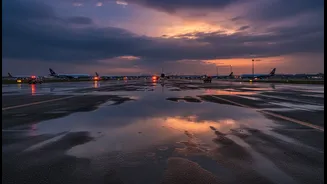
Every year, the monsoon arrives in Delhi, promising relief from the scorching heat but delivering a familiar package of urban paralysis. This year is no different. On Thursday, heavy rains once again brought the capital to a standstill, with the India
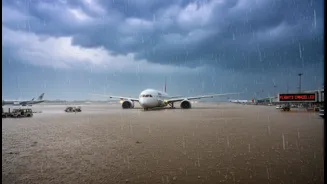
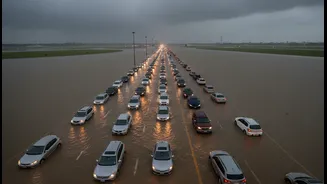
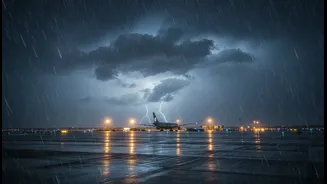
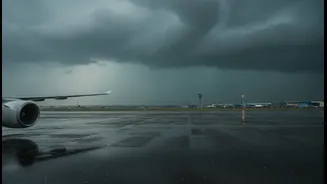
Meteorological Department (IMD) issuing red and orange alerts. Major arteries and low-lying areas like Munirka, Sangam Vihar, and the roads leading to the airport saw severe waterlogging. For the air traveller, this isn't just an inconvenience; it's a high-stakes obstacle course where the prize is simply making your flight. The journey to the IGI Airport becomes a frantic battle against time, submerged roads, and gridlocked traffic that crawls for hours on key routes like National Highway-48.
Why Rushing Is Your Worst Enemy
The instinctive reaction to this chaos is to rush. We leave a little later than we should, drive a little faster, and curse the traffic a little louder. But this is precisely the wrong approach. Rushing in a city already buckling under the strain of a downpour only amplifies stress and risk. It won't magically part the waterlogged roads or clear the traffic jams that have already formed. In fact, it often leads to poor decisions, like trying a 'shortcut' that turns out to be a flooded underpass. The fundamental truth of a Delhi monsoon morning is that the city’s infrastructure has a breaking point. Instead of fighting a losing battle against it, the smarter strategy is to accept the reality of the situation and adapt your entire approach. The goal should not be to 'beat' the rain, but to out-plan it.
Your New Airport Travel Checklist
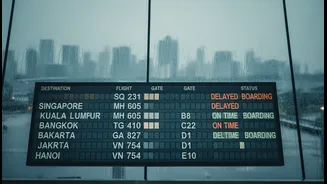
Accepting this reality means shifting focus from speed to strategy. This is what 'more airport prep' truly looks like. First, airlines like IndiGo, Air India, and Akasa Air have already issued advisories this week, urging passengers to factor in extra travel time and check flight status before leaving home. Take this advice seriously. It’s not just a generic disclaimer. Before you even think of booking a cab, check your airline's app or website for delays. A flight delayed by two hours gives you a valuable time advantage you can’t afford to waste by sitting in traffic. Next, radically reassess your travel time. If it normally takes an hour to get to the airport, don't just add 30 minutes. Double it. It’s far better to spend an extra hour reading at a cafe inside the airport than to spend it stuck in a car, watching your boarding time tick away. Consider the Airport Express Metro, which is often insulated from the chaos on the roads above. Finally, pack smart: a waterproof bag for your electronics, a change of clothes in your carry-on, and a reliable power bank are no longer luxuries, but necessities.
A Mindset Shift for a City on the Brink
The annual disruption caused by the monsoon is a stark reminder of the broader challenges Delhi faces with urban planning and climate resilience. The inundated roads and collapsing infrastructure are symptoms of a much larger issue. While systemic solutions are the long-term answer, a short-term, collective mindset shift can make an immediate difference. When thousands of individuals decide to stop rushing and start planning, it reduces the frantic, competitive energy on the roads. It encourages a more patient and predictable flow of traffic, however slow. It’s about replacing individual panic with collective preparedness. This doesn’t absolve the authorities of their responsibility to build a more resilient city, but it does empower citizens to navigate the existing reality more effectively and with far less stress.