

The Fragile Beauty Under Threat
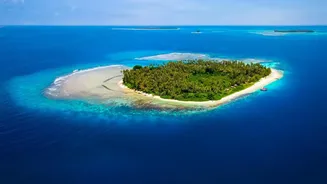
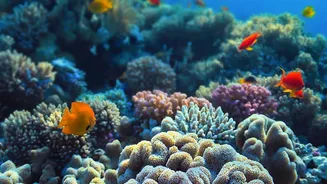
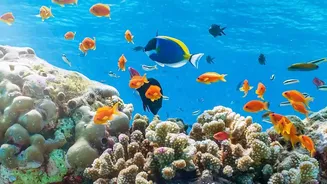
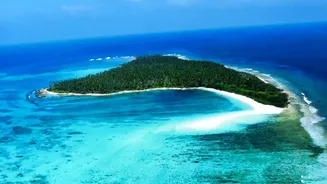
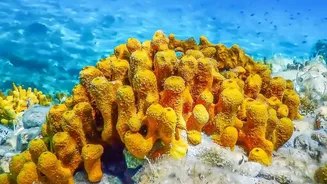
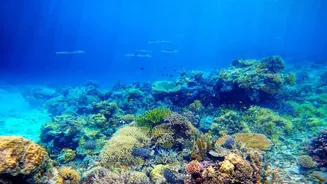
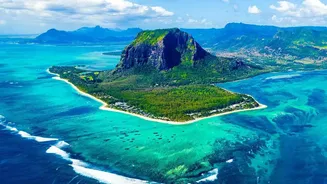
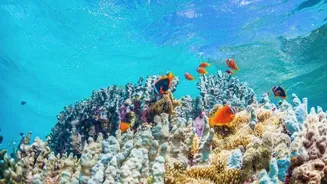
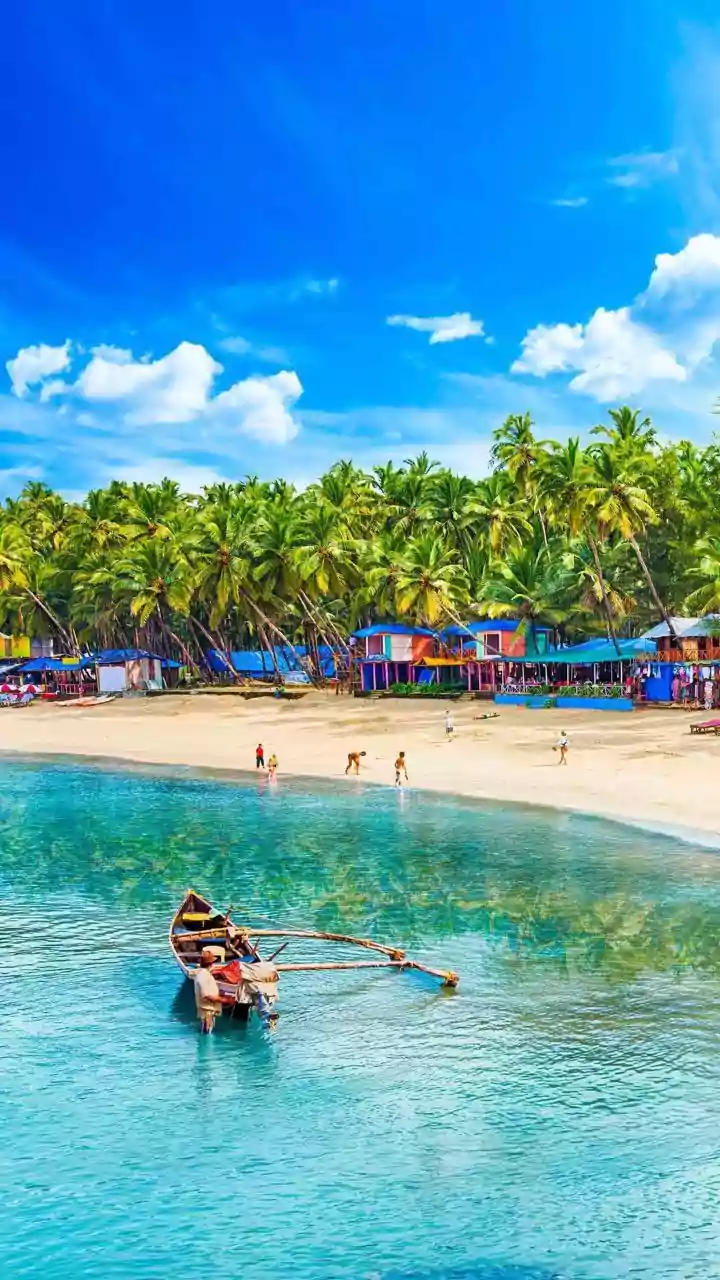
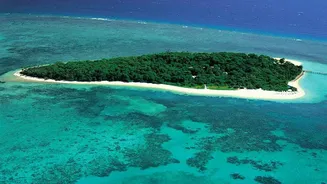
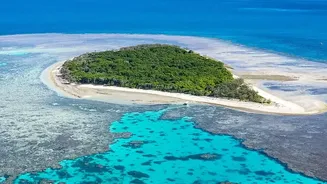
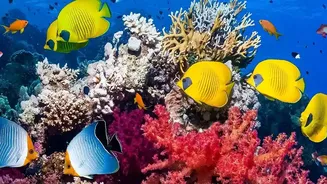
Lakshadweep is an archipelago of 36 coral atolls, renowned for its pristine beaches, turquoise lagoons, and vibrant marine life. These islands are not built on rock, but on the accumulated skeletons of tiny marine animals called corals. This foundation
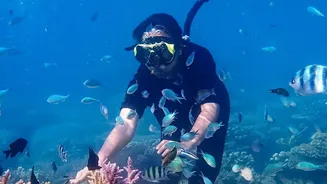
makes them incredibly beautiful but also extremely vulnerable. The primary threats are twofold: global climate change and localised human impact. Rising sea temperatures have caused several mass coral bleaching events, stripping the reefs of their colour and life. Simultaneously, a surge in tourism, while economically beneficial, brings challenges like pollution, waste management crises, and physical damage to the delicate coral structures from boats and even careless footsteps.
Guiding Tourism to Protect the Reefs
In response, the Lakshadweep administration has been refining its approach to tourism, focusing on sustainability. While the headline suggests a single new set of protocols, the reality is an evolving framework of rules designed to manage visitor impact. A key part of this strategy involves controlling where tourists can go. Entry permits are mandatory for all non-islanders, and recent changes in 2026, while simplifying the application process, reinforce this control. Permits specify the exact islands a tourist is approved to visit, preventing unscheduled island hopping that could disturb less-monitored areas. Transit is also strictly limited to 12 hours through designated islands like Agatti and Kavaratti, managing the flow of people through the archipelago.
What This Means for Travellers
For those planning a trip, the focus is on planned, conscious travel. The administration simplified the entry permit process in April 2026, removing the need for a local sponsor or a police clearance certificate, which makes access easier. However, travellers must apply at least 14 days in advance and provide a detailed itinerary, including the specific islands they wish to visit and their accommodation details. This structured approach ensures that tourism is spread out and its environmental footprint can be managed. The message is clear: come and experience the beauty, but do so in a way that respects the fragile environment that makes Lakshadweep so special. New regulations around liquor, introduced in June 2026, are also part of a broader strategy to develop the islands as a world-class tourism destination, with the government maintaining tight control.
The Science of Survival
These regulations are grounded in ecological science. Limiting visitor access reduces physical stress on the reefs. Corals are living animals, and activities like anchoring boats, dredging for construction, and even swimmers standing on them can cause irreversible damage. By directing tourists to designated zones with established infrastructure, the administration hopes to protect the wider reef system. These efforts are complemented by active restoration projects. Initiatives across India, including in Lakshadweep, use methods like coral transplantation and artificial reef structures to help damaged ecosystems recover. Organisations like the Zoological Survey of India and ReefWatch Marine Conservation are actively working on such projects, showing promising results in reef restoration.
A Blueprint for India's Coastline?
Lakshadweep's approach of 'high-value, low-volume' tourism is a delicate balancing act. The goal is to create economic opportunities for the local population without sacrificing the natural heritage that draws visitors in the first place. The challenges are immense, including a lack of freshwater and the logistical difficulties of waste management on remote islands. However, if successful, this model of strictly regulated eco-tourism could serve as a vital blueprint for other ecologically sensitive areas in India, such as the Andaman and Nicobar Islands or coastal regions with delicate marine life. It represents a conscious choice to prioritise long-term preservation over short-term, unrestricted growth, ensuring the underwater rainforests are protected for generations to come.