







Gear Up Beyond the Umbrella
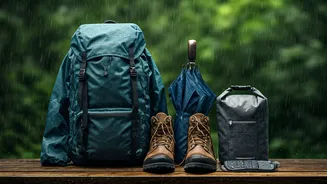
A simple umbrella or a flimsy poncho won’t cut it when you’re caught in a serious downpour. Better preparation starts with rethinking your gear. Invest in a reliable, fully waterproof rain jacket and pants. Look for breathable fabrics to avoid feeling
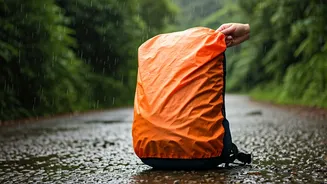
clammy. Your choice of clothing is equally critical; opt for quick-drying synthetic fabrics like polyester or nylon instead of cotton, which absorbs moisture and takes ages to dry, leaving you cold and uncomfortable. Most importantly, focus on your feet. Good footwear with excellent grip is non-negotiable. Waterproof trekking shoes or sturdy sandals with ankle straps are far superior to slippers or casual sneakers, which become dangerously slippery and can lead to falls on mossy trails or slick city pavements. Lastly, ensure your belongings stay dry with a waterproof backpack or at least a rain cover for your existing bag.
Prioritise Health and Hygiene
The monsoon brings relief from the heat, but it also creates breeding grounds for mosquitoes and bacteria. Mosquito-borne diseases like dengue and malaria see a sharp spike during this season. Always carry and regularly apply a strong insect repellent, especially during dawn and dusk. When booking accommodation, check for mosquito nets or screens. Water-borne illnesses are another major concern. Avoid drinking tap water or any water from an unverified source. Stick to bottled, boiled, or properly filtered water at all times. Be extra cautious with street food, particularly items that are uncooked or have been sitting out. Opt for hot, freshly prepared meals to minimize the risk of stomach infections that can derail your entire trip.
Master Your Route and Forecast
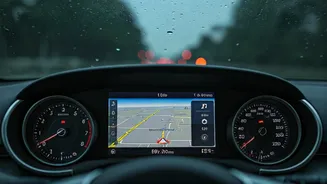
Spontaneity is great, but the monsoon demands a bit more planning. Hilly and coastal regions are prone to landslides and flash floods, which can shut down roads for hours or even days. Before you set out, and each morning of your trip, check the local weather forecast from a reliable source like the India Meteorological Department (IMD). Look up regional news for any alerts on road closures or dangerous conditions. Don’t rely solely on navigation apps, as they may not reflect real-time blockages. It’s wise to build buffer days into your itinerary. This flexibility allows you to wait out a storm or take a detour without stress. Inform a friend or family member of your travel plan and check in with them regularly.
Prep Your Vehicle and Gadgets
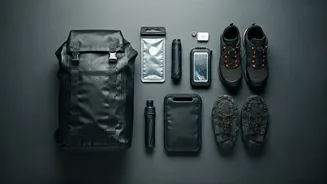
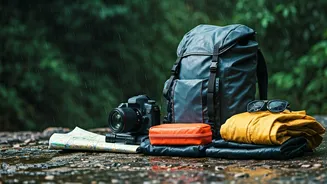
If you are planning a road trip, a pre-monsoon vehicle check is essential. Ensure your tyres have adequate tread for wet roads, your brakes are in top condition, and your windshield wipers are working perfectly. Driving in heavy rain significantly reduces visibility, so functional wipers are a critical safety feature. Your gadgets also need protection. Water and electronics are a bad mix. Invest in waterproof pouches for your phone, camera, and other valuables. A reliable power bank is a must-have, as power cuts can be frequent during heavy rains, especially in remote areas. For a budget-friendly alternative, a few heavy-duty zip-lock bags can provide a surprising amount of protection against moisture and rain.
Build a Monsoon-Ready First-Aid Kit
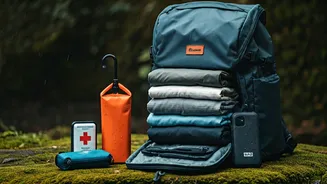
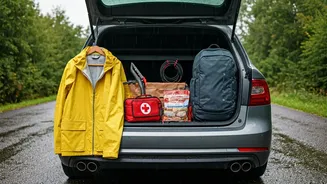
Your standard first-aid kit needs a monsoon upgrade. In addition to the basics like bandages and pain relievers, add items specific to the season. Include a good antiseptic cream or powder, as the constant dampness can slow down healing and lead to infections. Fungal infections are common, so an anti-fungal cream can be a lifesaver. Pack medication for diarrhoea and an oral rehydration solution (ORS) to combat dehydration from stomach upsets. If you are heading into nature, consider adding adhesive strips for blisters, which are more likely with wet footwear. Finally, make sure the kit itself is stored in a waterproof bag to keep its contents dry and effective when you need them most.