





Why the Monsoon Magnifies Risk
The monsoon's combination of high humidity and moisture creates the perfect breeding ground for bacteria, viruses, and other pathogens. [4, 8] Heavy rainfall often leads to waterlogging, which can cause sewage to mix with drinking water pipelines. [5,
7, 12] This contamination affects everything from the water in our taps to the vegetables sold at the market. [5, 17] Street food, while tempting, becomes particularly risky as vendors may use contaminated water or prepare food in unhygienic conditions exposed to the elements. [2, 3] Even food stored at home can spoil faster due to the damp environment, turning it into a host for harmful microbes. [4, 14]
Common Monsoon Illnesses to Watch For
Several specific diseases see a sharp increase during the rainy season. Being aware of their symptoms is the first step toward prevention and timely treatment. * **Typhoid:** Caused by *Salmonella typhi* bacteria, this illness spreads through contaminated food and water. [9, 11] Symptoms include a prolonged high fever, headache, abdominal pain, and weakness. [11, 29] * **Cholera:** This acute diarrhoeal illness is also caused by consuming contaminated food and water. [9, 25] It can lead to severe dehydration from symptoms like watery diarrhoea and vomiting. [22] * **Hepatitis A (Jaundice):** A viral liver infection that spreads through contaminated sources. [11, 22] Telltale signs include yellowing of the skin and eyes, dark urine, fatigue, and abdominal pain. [9, 22] * **Gastroenteritis:** Often called 'stomach flu', this involves inflammation of the intestines due to various bacteria and viruses. [19] It results in diarrhoea, vomiting, and stomach cramps. [11, 25]
Your Guide to Safe Eating
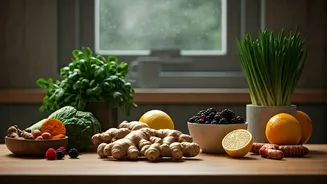
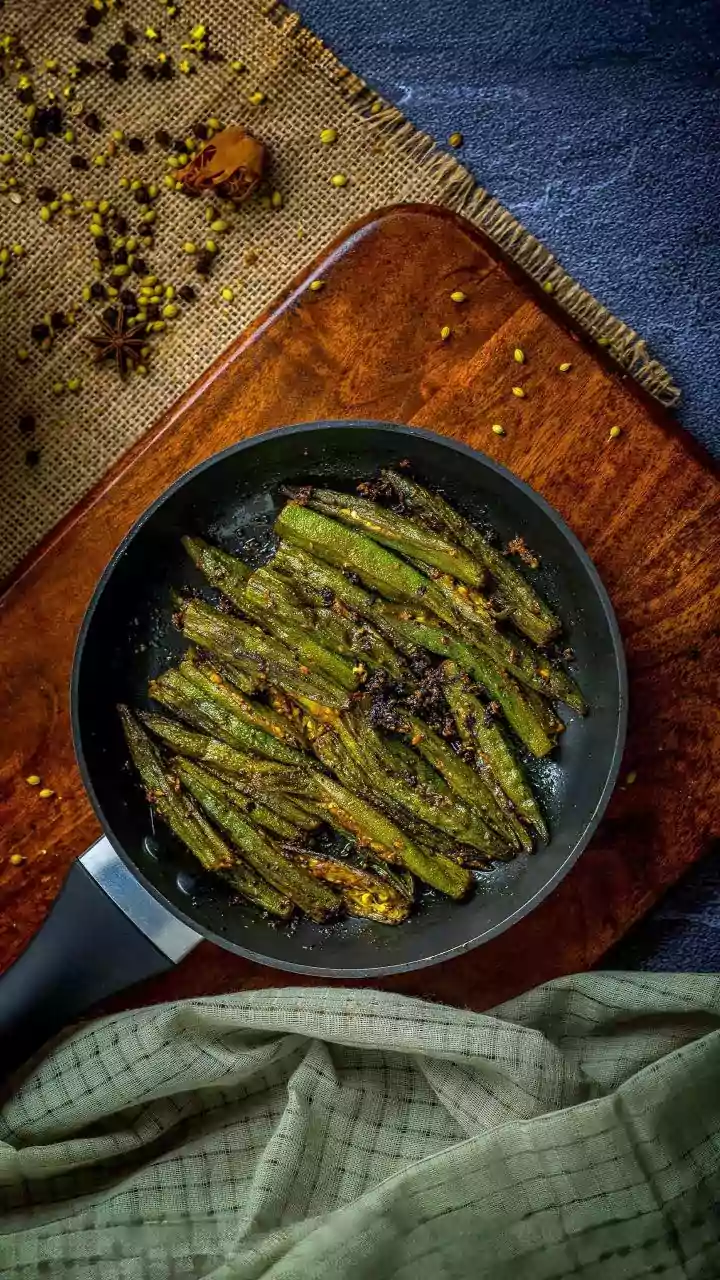
Adopting careful food habits is non-negotiable during the monsoon. The Food Safety and Standards Authority of India (FSSAI) recommends several precautions. [6] Always opt for freshly prepared, home-cooked meals. [4, 15] Thoroughly wash all fruits and vegetables under clean, running water before consumption; soaking them in a salt water solution can help remove germs. [4, 10] It is best to avoid raw foods like salads and opt to steam or lightly cook them instead. [4] Be especially cautious with street food, particularly items like chaat, pre-cut fruits, and local juices which may be prepared with unclean water. [2, 3] When it comes to meat and seafood, ensure they are purchased from a reputable source and cooked to a safe internal temperature. [2] Store leftovers promptly in the refrigerator in airtight containers and reheat them thoroughly before eating. [3, 4]
Mastering Water Safety
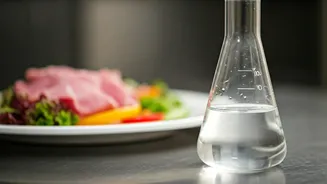
Since contaminated water is a primary culprit, ensuring its purity is crucial. Even water that appears clear can harbour invisible pathogens like E. coli and viruses. [12] The simplest and most effective method to make water safe is to boil it for at least one minute. [3, 16] Using a reliable water purifier with regular maintenance is another excellent option. [3, 18] Be wary of drinking water or juices from outside vendors and avoid ice from unknown sources, as it is often made with unfiltered tap water. [3] When at home, store drinking water in clean, covered containers to prevent any secondary contamination. [18, 20]
Essential Hygiene Habits
Good personal and environmental hygiene provides a strong line of defence. Wash your hands frequently with soap and water for at least 20 seconds, especially before handling food and after using the restroom. [10, 15] Keeping your kitchen surfaces, utensils, and cutting boards clean and sanitized is equally important to prevent cross-contamination. [4, 10] Use separate cutting boards for raw meat and vegetables. [15] Additionally, since the monsoon is also a breeding season for mosquitoes which spread diseases like dengue and malaria, ensure there is no stagnant water in or around your home. [9] Keep your surroundings dry and clean to minimize health risks from all sources. [18]