






A Word on Monsoon Plant Care
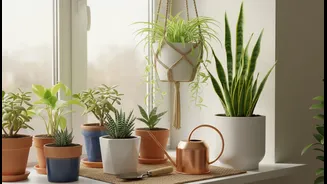
Before we dive into the plants, let's talk about care. The Indian monsoon creates a unique environment of high humidity and lower light. For houseplants, this is a double-edged sword. While many tropical plants enjoy the moist air, waterlogged soil is their
biggest enemy, leading to root rot. The number one rule is to always check the soil before watering. Poke your finger an inch or two into the pot; if it feels damp, wait another day or two. Ensure every pot has a drainage hole to let excess water escape. Good air circulation is also key, so avoid crowding plants and consider placing them near a window or using a fan to keep the air moving and prevent fungal growth.
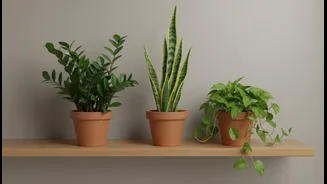
1. Snake Plant (Sansevieria trifasciata)
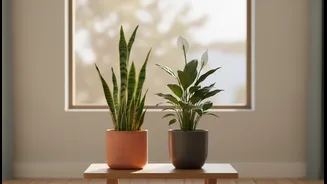
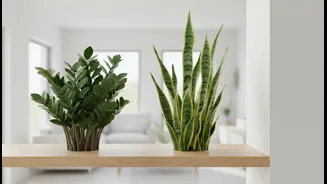
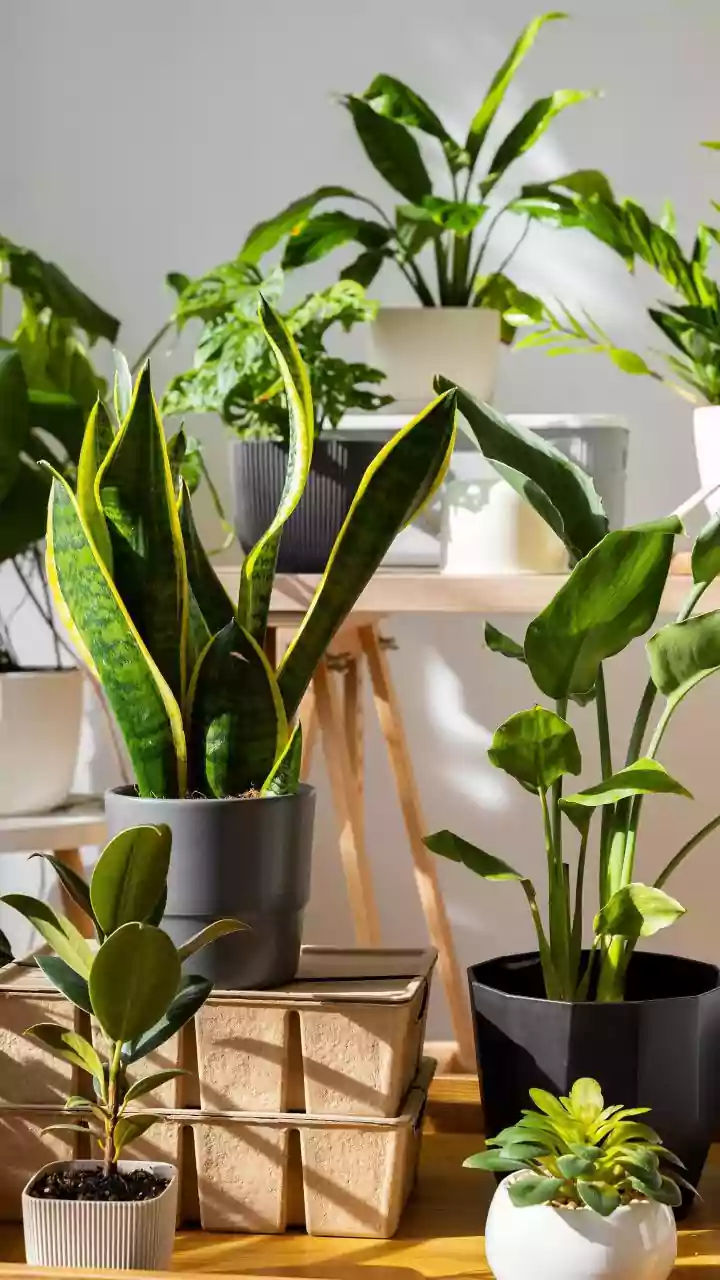
Often called the most indestructible houseplant, the Snake Plant is a perfect choice for beginners. Its tough, architectural leaves tolerate a wide range of conditions, including the lower light levels common during overcast monsoon days. Originally from tropical regions, it is well-adapted to thrive in Indian homes. The key to keeping a Snake Plant happy during the rains is to be extremely careful with water. Its roots are prone to rot in soggy soil, so it's much safer to underwater than overwater. Water only when the soil has completely dried out, roughly every 2-4 weeks. Its resilience to varying humidity and light makes it a forgiving and stylish addition to any room.
2. ZZ Plant (Zamioculcas zamiifolia)
The ZZ Plant is another nearly bulletproof option that thrives on neglect. Its glossy, dark green leaves store water, making it highly drought-tolerant and a great fit for the humid monsoon when you need to water less frequently. While it can handle deep shade, it grows best in medium to bright indirect light, making a spot near a window ideal during cloudy weather. Proper air circulation is beneficial in a humid environment to keep it healthy. Like the Snake Plant, the biggest risk to a ZZ Plant is overwatering, which can cause yellowing leaves and mushy stems. Always allow the soil to dry out completely between waterings.
3. Money Plant (Epipremnum aureum or Pothos)
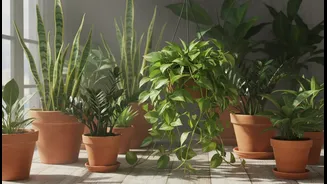
No Indian home feels complete without a Money Plant, and for good reason. This fast-growing vine is incredibly easy to care for and adaptable to the Indian climate. It loves the high humidity of the monsoon and can thrive even in lower light conditions, although its variegation might fade a bit. Pothos is very forgiving, but it's still susceptible to root rot if overwatered. During the rainy season, let the top inch or two of soil dry before watering again. Its trailing vines look beautiful spilling from a hanging basket or climbing up a support, adding a lush, tropical feel to your home.
4. Spider Plant (Chlorophytum comosum)
The Spider Plant is famous for its easy-going nature and its ability to produce charming little plantlets, or "babies," on long stems. It's an excellent choice for beginners and thrives in the exact conditions the monsoon provides: high humidity and indirect light. It's quite tolerant of excess moisture compared to other plants but still requires good drainage to prevent waterlogging. Keep the soil evenly moist but not soggy. Its arching leaves improve air circulation, making it a healthy and decorative choice for any home.
5. Peace Lily (Spathiphyllum)
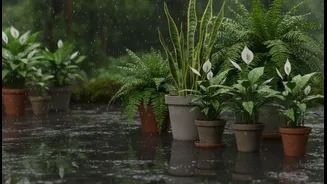
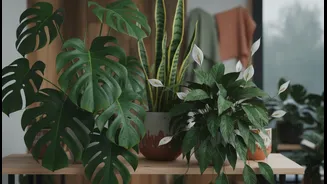
For those who want a plant that flowers without much fuss, the Peace Lily is an elegant option. It's one of the few plants that blooms well in lower light and loves the high humidity of a bathroom or a monsoon-season living room. Peace Lilies are known for being excellent air purifiers and are quite communicative; they will dramatically droop when thirsty and perk up quickly after a good drink. During the monsoon, they will need less frequent watering, but they appreciate consistently moist (not wet) soil. Their ability to absorb excess moisture from the air can even help reduce mould.