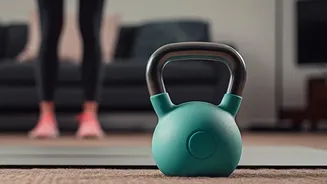







The festive lights have dimmed and the sweets have been enjoyed. Now comes the familiar challenge: getting your fitness routine back on track. Instead of forcing it, what if the secret was a simple change in perspective? It's time to work smart, not just
hard.
Ditch the 'All or Nothing' Mindset
One of the biggest hurdles to restarting a fitness routine is the 'all or nothing' trap. This is the belief that if you can't manage your 'perfect' one-hour workout, there's no point in doing anything at all. This mindset often leads to choosing 'nothing' over 'something'. The most crucial shift is to embrace the power of 'good enough'. A 15-minute walk, a few stretches while your tea brews, or ten squats are all victories. These small efforts keep the habit alive and prevent the cycle of guilt and inaction. Any movement is better than no movement, and celebrating these 'non-zero' days builds momentum.
Reframe Exercise as Privilege, Not Punishment
After a period of indulgence, it's easy to view exercise as a punishment for what you've eaten. This creates a negative relationship with movement and makes it feel like a chore. A more powerful approach is to reframe exercise as a privilege. Instead of thinking, 'I have to go to the gym', try thinking, 'I get to move my body'. This shift focuses on what your body can do and the immediate benefits of movement, such as reduced stress, better mood, and increased energy. When you find joy in the activity itself, whether it's dancing, walking, or lifting weights, it becomes a form of self-care you look forward to, not a penalty you must endure.
Rely on Systems, Not Just Motivation
Motivation is a fickle friend; it comes and goes without warning. Relying on it to fuel your fitness routine is a recipe for inconsistency. Instead, build a system that runs on habit. One effective technique is 'habit stacking', where you link a new fitness habit to an existing one. For example: 'After I brush my teeth, I will do 10 minutes of stretching'. This automates the decision-making process. Scheduling workouts like appointments is another powerful tool. By putting them in your calendar, you give them the same importance as any other commitment, making you more likely to follow through regardless of how motivated you feel.
Start Slow and Redefine 'Success'
After a break, your body won't be at the same level of strength or endurance as before, and pushing too hard too soon can lead to injury or burnout. It's essential to start slow, perhaps with shorter workouts or lower intensity. Experts suggest starting at around 50% of your previous capacity and gradually increasing from there. This is also a chance to redefine what success looks like. Success isn't about hitting a personal best in your first week back. It's about showing up consistently. Celebrate the act of putting on your workout clothes and doing what you can on any given day. Focus on progress over perfection, honouring the journey of rebuilding.
Beating yourself up for missing a workout is counterproductive. Research shows that self-compassion is a far more effective motivator for longterm consistency than selfcriticism. Selfcompassion means treating yourself with the same kindness youd offer a friend. It involves recognising that setbacks are a normal part of any fitness journey. Instead of spiralling into guilt, acknowledge the missed day and simply get back on track with your next planned session. This approach builds resilience and removes the fear of failure, making it easier to stick with your goals even when life gets in the way.