








Win the War Against Clumpy Spices
Ground spices are highly susceptible to moisture, which causes them to lose their aroma and form hard lumps. The single most important defence is to store them in truly airtight containers, preferably made of glass. Avoid keeping your spice rack near
the stove, as steam from cooking is a major culprit. For an age-old Indian kitchen hack, add a few grains of uncooked rice, a couple of cloves, or a dried bay leaf to your spice jars. These act as natural desiccants, absorbing excess moisture before it can ruin your masalas. When cooking, never shake spices directly from the jar over a steaming pot; instead, use a clean, dry spoon to portion them out.
Protect Your Grains and Pulses
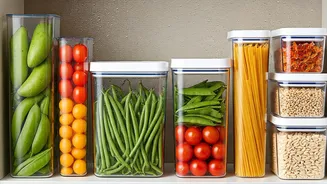
Staples like rice, flour (atta), and dals are magnets for moisture and pests during the rainy season. Before storing, you can lightly roast them or, if you get a rare sunny day, spread them out to dry completely. The best practice is to transfer them from their market bags into large, airtight containers immediately. To prevent insect infestations, a common problem in the monsoon, add a few dried neem leaves or whole dried red chillies to your containers of rice and pulses. For flour, mixing in a spoonful of salt can help absorb moisture and act as a preservative.
Keep Vegetables Fresh and Crisp
The high humidity of the monsoon accelerates spoilage in vegetables. Leafy greens like spinach and coriander are particularly vulnerable. To extend their life, wash them, pat them completely dry, and then wrap them loosely in paper towels before placing them in the refrigerator. This absorbs the excess moisture that causes them to wilt and rot. For other vegetables, avoid washing them until just before use, as dampness is the enemy. Store them in breathable bags or the fridge's vegetable drawer. It's also wise to buy vegetables in smaller quantities more frequently during this season to ensure they are always fresh.
Save Your Snacks from Softening
There's nothing more disappointing than reaching for a biscuit or a handful of namkeen only to find it has lost its crunch. These items readily absorb atmospheric moisture, turning them soft and stale. The solution is simple but requires diligence: transfer all snacks from their original packets into airtight glass or steel jars as soon as you open them. For extra protection, you can line the bottom of the jar with a piece of blotting paper or even add a small, tissue-wrapped pouch of uncooked rice to absorb any intrusive dampness.
Manage Your Fridge for Maximum Freshness
Your refrigerator works overtime during the monsoon, but it can also become a source of moisture if not managed well. Clean it regularly with a solution of vinegar and water to prevent mould growth, which thrives in damp, cool conditions. Ensure you wipe down any condensation inside. When storing produce, make sure it is dry before it goes in. A great tip is to place an open box or small bowl of baking soda inside the fridge; it's excellent at absorbing excess moisture and neutralising odours, keeping the internal environment dry and fresh.