


Master the Art of Layering
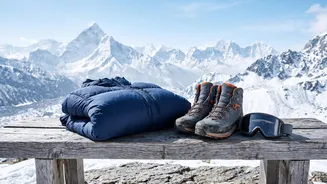
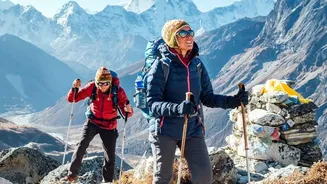
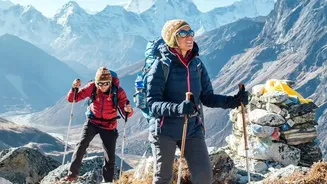
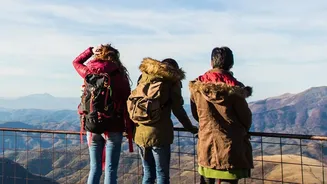
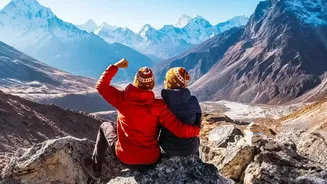
November weather in the Himalayas is unpredictable. You can experience bright sunshine, biting winds, and sudden temperature drops all in one day. The key is not to pack heavy, bulky woolens, but to master the art of layering. Start with a moisture-wicking
thermal base layer to keep sweat away from your skin. Add a fleece or a down jacket as your insulating mid-layer. Top it off with a waterproof and windproof outer shell. This system allows you to add or remove layers as conditions change, keeping you comfortable whether you're trekking or enjoying a cup of tea. Don't forget insulated gloves, a woolen cap that covers your ears, and multiple pairs of quality hiking socks.
Protect Your Skin and Eyes
The high-altitude sun in November can be surprisingly harsh. The thin atmosphere and reflection from snow and ice increase UV exposure, leading to sunburn and skin damage even on cold days. Pack a high-SPF (50+) broad-spectrum sunscreen and apply it generously to all exposed skin, including your face, neck, and ears. The cold, dry air will also strip moisture from your skin and lips. Carry a thick moisturizer and a quality SPF lip balm, reapplying both throughout the day. Similarly, protect your eyes from the intense glare with UV-protection sunglasses. Wrap-around styles are best for preventing light from entering from the sides.
Acclimatise, Don't Rush
Altitude sickness, or Acute Mountain Sickness (AMS), can affect anyone travelling above 8,000 feet, regardless of age or fitness level. Symptoms include headaches, nausea, dizziness, and shortness of breath. The best prevention is to ascend slowly, allowing your body to adjust to the lower oxygen levels. Plan your itinerary with gradual altitude gains and include rest days for acclimatisation, especially when travelling to very high-altitude destinations like Ladakh. Stay well-hydrated by drinking plenty of water, and avoid alcohol and strenuous activity for the first 24-48 hours at a new altitude. Consulting a doctor about preventive medication like Acetazolamide (Diamox) before your trip is also a wise precaution.
Prepare for Driving Challenges
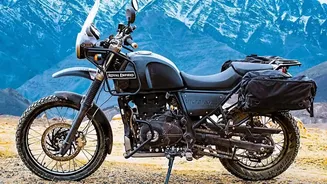
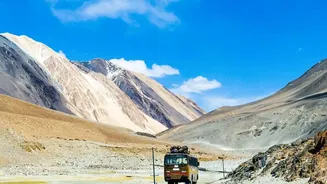
If you plan to self-drive, be aware that November is a transitional month for Himalayan roads. While many routes are still open, the risk of black ice, especially in shaded areas and in the early mornings, is high. Black ice is a thin, transparent layer of ice that looks like a wet patch on the road, making it extremely dangerous. Ensure your vehicle is in excellent condition, with checks on the battery, antifreeze, wipers, and brakes. High-altitude passes like Rohtang may close with little notice due to snowfall. Always check the latest road status with local authorities before setting out and avoid driving at night. For treacherous routes, hiring a local driver with experience in winter conditions is the safest option.
Pack a Comprehensive Medical Kit
Access to pharmacies can be limited in remote Himalayan regions. It is crucial to carry a well-stocked first-aid kit. Your kit should include basics like bandages, antiseptic wipes, pain relievers, and blister plasters. Also pack medication for common travel ailments like an upset stomach, allergies, and motion sickness. Include any personal prescription medications you need, with enough supply for the entire trip plus a few extra days. Most importantly, carry medications for altitude sickness as advised by your doctor. A pulse oximeter can be a useful tool to monitor your oxygen saturation levels at high altitudes.
Stay Hydrated and Well-Nourished
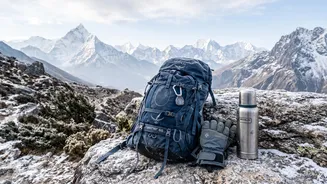
The dry mountain air and physical exertion can lead to dehydration more quickly than you might expect. Make a conscious effort to drink several litres of water throughout the day. Carrying a reusable water bottle or a hydration bladder is a great way to keep track of your intake. At high altitudes, your body is working harder, so it needs more calories. Consume a high-calorie diet with plenty of carbohydrates to fuel your body. Pack energy bars, nuts, and chocolates for a quick energy boost while on the move. Warm beverages like herbal tea and soup can also help you stay warm and hydrated.