








Prioritise Flexible Bookings
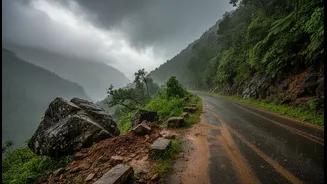
The single most important strategy for monsoon travel is embracing flexibility. The weather is famously unpredictable, and heavy rains can cause sudden flight delays, waterlogged roads, and landslides. In the past, this made booking a gamble, but now,
many airlines and hotels offer 'flexible' options. For a slightly higher upfront cost, 'flexi fares' on airlines like IndiGo and Air India allow you to change travel dates with minimal or no fees. Similarly, when booking hotels, look for rates that allow free cancellation, often up to 24 or 48 hours before check-in. This provides a crucial safety net, allowing you to alter your plans without a significant financial loss if the weather turns against you.
Choose Your Destination Wisely
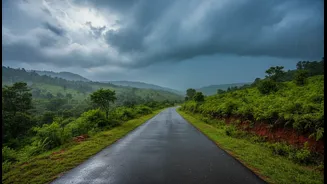
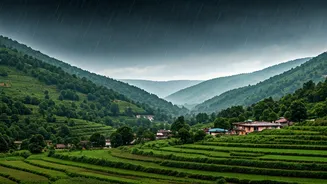
Not all destinations are created equal during the rainy season. While some places become hazardous, others are at their most beautiful. Hill stations in the Western Ghats like Lonavala, Mahabaleshwar, and Coorg in Karnataka come alive with mist, lush greenery, and roaring waterfalls. Kerala's backwaters and tea plantations in Munnar are exceptionally scenic. Even Rajasthan, which receives less rainfall, offers a unique charm as lakes in cities like Udaipur fill up and the landscape turns green. However, it's wise to be cautious about areas prone to severe flooding or landslides, such as the Himalayan foothills and some coastal belts where high tides can make beaches inaccessible. Checking local weather advisories before and during your trip is essential.
Embrace the Off-Season Advantage
One of the biggest perks of travelling during the monsoon is that it's considered the off-season in many popular tourist spots. This means fewer crowds and lower prices. Hotels and homestays that are fully booked during peak winter months often offer significant discounts. You might find luxury accommodation at budget prices. Airlines also tend to lower their fares. By booking in advance and setting up fare alerts on travel portals, you can secure excellent deals for flights and accommodation, making your rainy season getaway much more affordable.
Build Buffer Days into Your Itinerary
Travel during the monsoon moves at a slower pace. Delays are common, whether you are travelling by air, train, or road. Flights can be rerouted due to poor visibility, and roads in hilly areas can be blocked by landslides. To avoid stress and the risk of missing connections, build extra time into your schedule. Don't plan a packed itinerary where a single delay can disrupt everything. A good rule of thumb is to add at least a few extra hours between activities and connections. If you have a crucial flight to catch, consider arriving in the departure city a day early just to be safe.
Consider Travel Insurance
While often overlooked for domestic trips, travel insurance can be a lifesaver during the monsoon. For a relatively small premium, you can get coverage for a range of disruptions. Look for policies that specifically cover trip cancellations or interruptions due to extreme weather. Many plans offer reimbursement for costs incurred from flight delays, missed connections, and lost or delayed baggage. Given the high probability of weather-related issues, having an insurance policy provides peace of mind and financial protection against unforeseen events.
Think Beyond the Obvious for Accommodation
When booking your stay, pay attention to the hotel’s location and amenities. Avoid properties in low-lying areas that are known to flood. Check reviews or call the hotel to ask about their preparedness for heavy rain. Facilities like a power backup generator, an in-house restaurant, and 24-hour hot water become particularly important if you end up being stuck indoors. An indoor activity area or a room with a good view can make a huge difference if the weather forces you to spend more time at the hotel than planned.