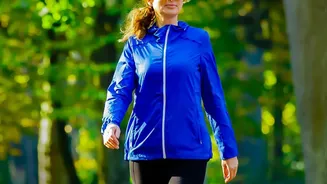








The Trend: What Is 'Lymphatic Walking'?
Scroll through social media and you might see videos of people walking with a specific, somewhat exaggerated form. This is often dubbed 'lymphatic walking'. Proponents suggest a particular style of movement—involving purposeful heel-to-toe rolling of the
feet, deep diaphragmatic breathing, and sometimes pronounced arm swings or shoulder rolls—is key to stimulating the lymphatic system. The trend has gained traction with claims of reducing bloating, clearing skin, and flushing toxins from the body. It presents itself as a simple, low-impact hack for enhancing one of the body’s most important, yet often overlooked, systems.
The Claim: A Special Detox for Your Body
The central promise of 'lymphatic walking' is detoxification. The idea is that this specific method of walking acts as a manual pump for the lymphatic system, helping it to drain more effectively. This, in turn, is said to clear out cellular waste, toxins, and excess fluid that can lead to feelings of sluggishness, puffiness, or even a weakened immune response. The term 'detox' is powerful and appealing, suggesting that we can actively cleanse our bodies of harmful substances through simple exercise. However, this is where we need to look closer at how our bodies actually work.
The Reality: How Your Lymphatic System Functions
Your lymphatic system is a crucial part of your immune system. It's a network of tissues, vessels, and organs that transport a colorless fluid called lymph. This fluid helps clear waste, transport fat-soluble nutrients, and move immune cells throughout the body to fight invaders like bacteria and viruses. Unlike the circulatory system, which has the heart as its central pump, the lymphatic system is passive. It relies on the contraction of your muscles, your breath, and general body movement to keep the lymph fluid flowing. So, while movement is absolutely essential for healthy lymph function, your body's primary detoxification organs are the liver and kidneys, which filter waste from your blood. The concept of 'detoxing' the lymph system through a specific exercise is a marketing oversimplification.
The Real Benefit: Any Rhythmic Walking Works
The good news is that you don't need a special technique to support your lymphatic health. The science is clear: any form of regular, rhythmic walking is beneficial. When you walk, the repeated contraction and relaxation of your leg muscles helps push lymph fluid up from your lower body towards the chest, where it eventually re-enters the bloodstream. Deep breathing during any exercise also helps move lymph through its largest vessels. Research shows that physical activity can increase lymph flow several times over resting levels. So, while the specific cues of 'lymphatic walking'—like good posture and deep breathing—are healthy habits, they are not a unique secret. The true hero is the simple, consistent act of walking itself.
Beyond the Lymph: The Proven Power of a Good Walk
Focusing solely on the lymphatic system misses the vast, well-documented benefits of regular walking. A consistent walking routine is one of the most effective forms of exercise for overall health. It strengthens your cardiovascular system, helping to lower blood pressure and reduce the risk of heart disease and stroke. It improves mood by triggering the release of hormones like dopamine and serotonin. Regular walking also supports joint health, improves muscle tone, and helps maintain bone density, which is crucial for preventing osteoporosis. Furthermore, studies have shown that the rhythmic motion of walking can have a calming effect on the nervous system, reducing stress. These are powerful, scientifically proven benefits that come from the simple habit of putting one foot in front of the other.