





The Hidden Cost of 'Fast Furniture'
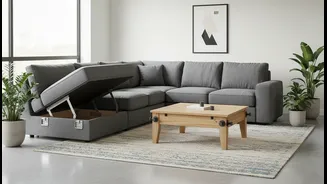
Much like fast fashion, 'fast furniture' offers trendy, affordable pieces that are designed for the short term. These items, often made from particleboard, laminates, and plastics, are not built to withstand a move, let alone a lifetime. Their intentionally
short lifespan, sometimes just a few years, fuels a cycle of consumption and waste. Every year, millions of tons of furniture end up in landfills, with a staggering 80% of it being discarded items. This isn't just a waste problem; it's an environmental one. The production of cheap furniture contributes to deforestation, with forests being cleared for low-quality timber. Furthermore, the manufacturing process often involves chemicals like formaldehyde, which can impact indoor air quality, and the global shipping required adds significantly to carbon emissions.
The Enduring Value of Local Craftsmanship
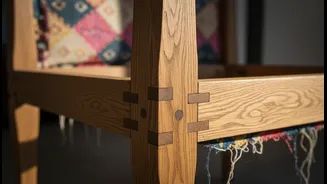
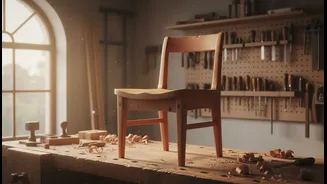
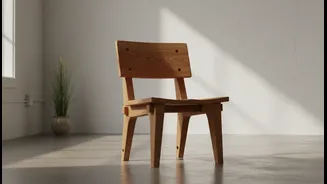
In contrast, a solid wood chair, table, or cabinet crafted by a local carpenter tells a different story. These pieces are often made from higher-quality, sometimes locally sourced, materials and are built with joinery techniques designed for longevity. While the initial cost may be higher than a mass-produced equivalent, the value is realised over decades of use. A well-made piece isn't just an object; it has a narrative. You know the person who made it, you support their small business, and that money circulates within your own community, strengthening the local economy. This direct connection between maker and owner is something that can't be replicated by a global supply chain. It’s an investment in quality, durability, and community resilience.
Repair as a Radical Act of Sustainability
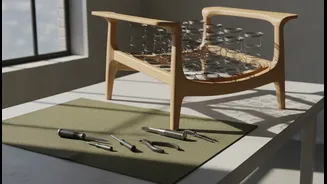
The true genius of a well-built piece of furniture is its repairability. When a joint loosens or a surface gets scratched on a solid wood item, it can almost always be fixed. A local carpenter has the skills to sand, refinish, strengthen, and restore the piece to its former glory, extending its life indefinitely. This simple act of repair is a powerful move against throwaway culture. It keeps a bulky item out of the landfill and reduces the demand for the raw materials and energy needed to manufacture a replacement. This principle is a cornerstone of the growing 'Right to Repair' movement, which advocates for consumers' ability to fix the products they own, from electronics to appliances, fostering local jobs and reducing waste. Supporting a local repair economy is a direct contribution to a more circular and sustainable model.
How to Find and Support Local Makers
Embracing this philosophy is easier than you might think. Start by exploring local farmers' markets, craft fairs, and artisan pop-up shops in your area, which are often hubs for woodworkers and other makers. Don't hesitate to ask questions and show genuine interest in their work; that connection is part of the process. Social media platforms like Instagram and Facebook are also powerful tools for finding local artisans. Search for hashtags related to your city and woodworking or custom furniture. Many artisans take on custom commissions, allowing you to get a piece that perfectly fits your space and style. And don't forget the power of word-of-mouth. Ask friends and neighbours for recommendations for skilled repair professionals. Even if you aren't ready to buy, sharing a maker's work on your social media can connect them to new customers.