






The Big Shift: From Cosmetic Styling to Biological Health
For decades, the hair industry revolved around styling—creating illusions of volume, shine, and texture with products that often acted as little more than cosmetic camouflage. The focus was on the visible hair fibre, with solutions designed to reactively
correct damage. But 2026 marks a significant evolution in our approach. Consumers are now more ingredient-literate and are looking for transparency and results grounded in real science. The new mindset is about preservation rather than just repair, treating hair as a long-term asset. This means moving beyond temporary, surface-level fixes and toward nurturing the hair's origin and biological structure for lasting health.
The 'Skinification' of Hair: Your Scalp is the New Skincare Frontier
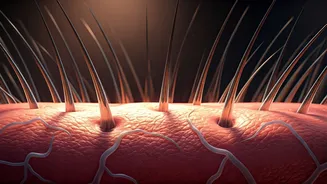
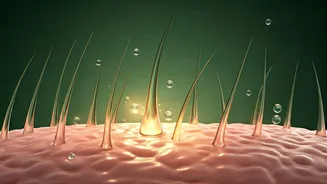
The single most important trend driving foundational care is the “skinification” of hair—the idea that the scalp is skin and should be treated with the same diligence as our faces. A healthy scalp provides the optimal environment for hair follicles to produce strong, resilient hair. This has led to an explosion of skincare-inspired scalp products, including exfoliating scrubs, hydrating serums, and balancing treatments. Ingredients once reserved for premium face creams—like hyaluronic acid, niacinamide, peptides, and salicylic acid—are now staples in advanced scalp care formulations. Experts predict the trend will become even more specific, with concepts like “scalp zoning” that treat different areas of the scalp for localized issues like oiliness or dryness.
Building Blocks: Beyond Bonds to Molecular Repair
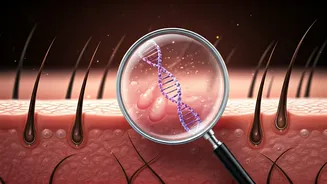
While bond-building treatments like Olaplex pioneered the science of internal hair repair, 2026 sees this technology evolving. The focus is shifting from repairing only disulfide bonds to a more holistic approach that includes molecular and biomimetic repair. New-generation technologies utilize peptides to reconnect the millions of polypeptide chains that form the hair's core structure, offering deeper, more durable strength and elasticity. This advanced science is moving beyond just salon services and into at-home care, allowing consumers to actively reverse damage from chemical treatments, heat styling, and environmental stressors on a molecular level. The market for these products is surging as people seek to restore hair's structural integrity, not just its surface appearance.
Nourishment From the Inside Out
True foundational hair health isn't just about what you put on your hair; it's also about what you put in your body. There's a growing understanding that hair health is a direct reflection of overall wellness. Nutritional deficiencies and chronic stress can directly impact the hair growth cycle and scalp condition. As a result, the conversation around hair care now includes diet and supplements. Protein-rich foods, omega-3 fatty acids, and adequate hydration are recognized as crucial for strengthening hair follicles and maintaining a healthy scalp. The market is also seeing a rise in targeted supplements and bio-intelligent ingredients like fermented extracts, designed to support hair vitality from within and nurture the scalp's microbiome.
What This Means for Your Routine
Adopting a foundational approach doesn't necessarily mean a complex, multi-step routine. Instead, it’s about making smarter choices. It means shifting focus from a product that promises instant shine to one that balances your scalp's microbiome. It’s about investing in a pre-shampoo exfoliating treatment to clear away buildup or a leave-in molecular repair mask to rebuild strength. Look for products with science-backed ingredients and transparent claims. Prioritize a gentle, sulfate-free shampoo, a targeted scalp serum, and consistency. By treating the root of the issues, you're not just styling your hair for today—you're investing in its health for years to come.