




The Allure of the Royal Regimen
For centuries, tales have been told of Indian queens using luxurious, plant-based rituals to achieve radiant skin. From saffron-infused milk baths to cooling sandalwood pastes, these practices were deeply rooted in Ayurvedic wisdom. The philosophy was
simple: work with nature to cleanse, protect, and nourish the skin. While the 'royal' label adds a layer of romance, many of the core ingredients mentioned in these legends—turmeric, saffron, and sandalwood—were accessible and widely used in traditional Indian households for generations, forming the basis of time-honoured skincare.
Saffron: The Golden Glow-Up
Folklore paints a picture of queens using saffron (kesar) to achieve a golden complexion. It was often mixed into milk or face packs. Modern science offers a compelling explanation for this tradition. Saffron's active compound, crocin, is a powerful antioxidant. Studies have shown it helps protect skin against UV radiation, a primary cause of premature ageing. Research also suggests that saffron's active compounds can help reduce hyperpigmentation by inhibiting the enzyme essential for melanin production. So, while it may not magically impart a golden hue, its ability to fight inflammation and even out skin tone is scientifically supported.
Turmeric: The Anti-Inflammatory Powerhouse
Turmeric (haldi) is perhaps the most famous Ayurvedic beauty ingredient, central to pre-wedding rituals for its supposed brightening effects. The science behind this spice is robust. Its main active component, curcumin, has well-documented anti-inflammatory, antioxidant, and antimicrobial properties. Research shows curcumin can protect the skin from photoaging, improve collagen deposition, and help in wound healing. It works by inhibiting inflammatory pathways in the body. So, the traditional belief in turmeric's ability to purify and brighten the skin isn't just a story; it's backed by extensive scientific evidence of its powerful anti-inflammatory and antioxidant capabilities.
Sandalwood: The Cooling and Calming Classic
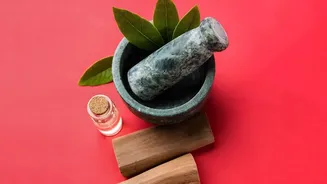
Sandalwood (chandan) paste was a royal favourite, used to soothe skin, especially in hot climates. It was believed to calm irritation and reduce blemishes. Scientific studies have begun to validate these uses. Indian sandalwood oil has been shown to possess anti-inflammatory and antimicrobial properties. Research indicates it can inhibit enzymes that break down collagen, helping to preserve skin elasticity. Furthermore, clinical trials have demonstrated that sandalwood oil is a powerful antioxidant that can protect skin against environmental stressors like blue light. Its reputation as a skin saviour is well-earned.
Ubtan: The Original Multi-Tasking Mask
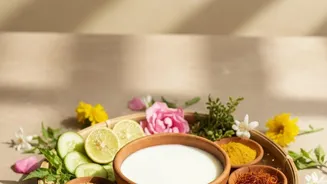
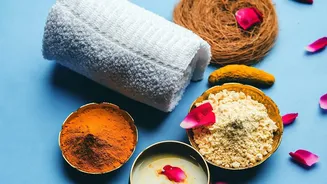
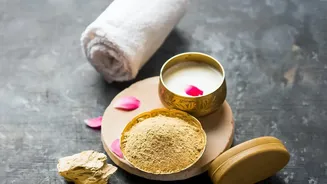
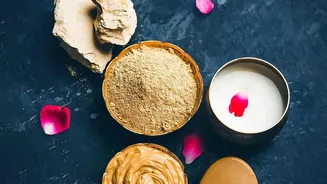
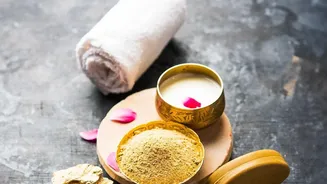
The ubtan is a classic Ayurvedic preparation that was a staple in royal beauty care. It's not a single ingredient but a blend of flours, herbs, and oils, such as chickpea flour (besan), turmeric, sandalwood, and milk or rose water. From a scientific perspective, an ubtan functions as both a physical exfoliant and a nourishing treatment. The chickpea flour gently scrubs away dead skin cells, while ingredients like turmeric and sandalwood provide their anti-inflammatory and soothing benefits. The milk or oil used to form the paste provides moisture. So, the ubtan's effectiveness comes from the synergistic action of its all-natural components, a concept that modern skincare formulations also embrace.