
A Frozen Treasure in Perpetual Night
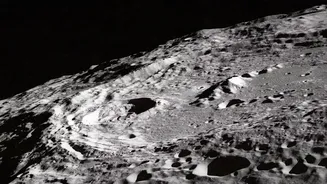
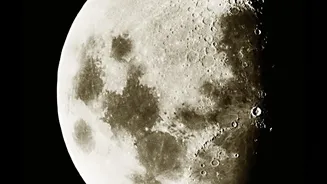
The Moon's south pole holds a resource more precious than gold for future astronauts: water ice. This isn't water in ponds or rivers, but ice crystals mixed with lunar soil (regolith) that have been frozen for potentially billions of years. These deposits
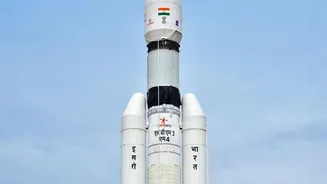
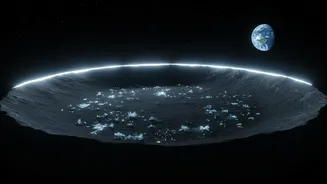
are found in Permanently Shadowed Regions (PSRs)—deep craters and depressions where the sun's rays never reach. The temperature in these areas plummets to as low as -250 degrees Celsius, creating an extreme environment that is perfect for preserving ice but incredibly challenging to explore. ISRO’s Chandrayaan missions, particularly Chandrayaan-1 which first confirmed water molecules, have been instrumental in mapping these potential reserves. Recent studies involving ISRO scientists have suggested that the amount of ice a few metres below the surface could be five to eight times greater than on the surface, making excavation a crucial part of the plan.
The Extraction Plan: Drill, Heat, and Collect
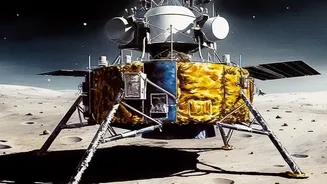
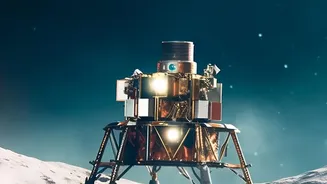
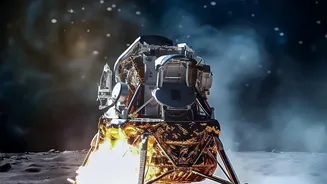
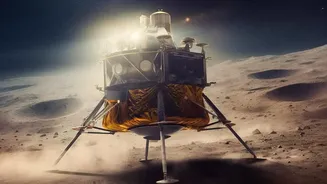
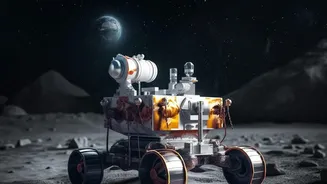
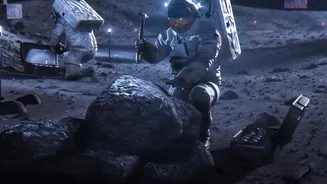
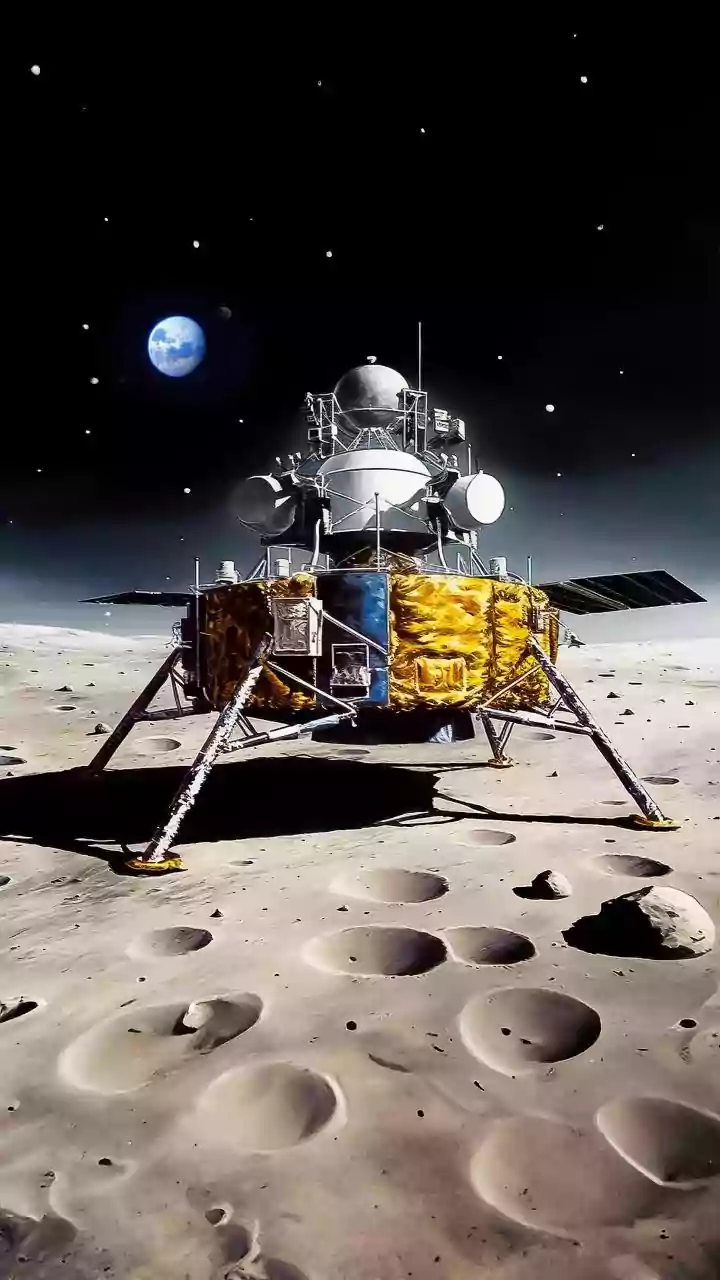
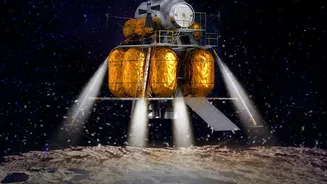
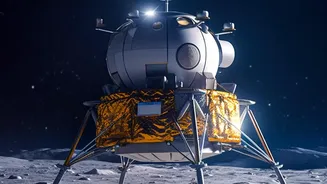
So, how do you get water out of frozen, dark soil on another world? The headline implies this is happening now, but the reality is that ISRO is in the advanced planning and technology development phase, primarily for its collaborative LUPEX (Lunar Polar Exploration) mission with Japan's space agency, JAXA. The mission concept involves a sophisticated rover and lander system. The rover, equipped with a drill capable of reaching at least 1.5 meters deep, will excavate the icy regolith. Once the sample is secured, the process of 'thermal mining' begins. The rover will heat the soil, likely using electric heaters or even repurposing waste heat from its power source. In the vacuum of the Moon, this will cause the ice to 'sublimate'—turn directly from a solid into a gas. This water vapour is the prize.
Capturing the Vapour
Extracting the water vapour is only half the battle; you have to collect it. The proposed systems work like a celestial distillery. As the water vapour is released from the heated soil, it will be channelled into an engineered 'cold trap'. This is a specially designed container with an extremely cold surface. When the water vapour hits this surface, it instantly freezes back into a pure ice deposit, separating it from the dust and soil. This block of purified ice can then be collected. The entire process—drilling, heating, and capturing—would be conducted by a robotic system designed to withstand the brutal lunar night. For missions like LUPEX, this requires 'night survivability' technology, a significant engineering hurdle as solar panels are useless in the dark craters.
Why This Water Matters So Much
The effort to mine lunar ice is about much more than just giving astronauts something to drink. This practice, known as In-Situ Resource Utilisation (ISRU), is the cornerstone of sustainable, long-term space exploration. Water (H2O) can be split into its component elements: hydrogen and oxygen. Oxygen is vital for breathable air in a lunar habitat, while both hydrogen and oxygen are the primary components of rocket propellant. By manufacturing fuel on the Moon, the lunar surface transforms from a destination into a refuelling station and a launchpad for missions deeper into the solar system, such as to Mars. It drastically reduces the cost and mass of what needs to be launched from Earth, making humanity's multi-planetary future a more achievable reality.