



The Simple Ritual of Cardamom Tea
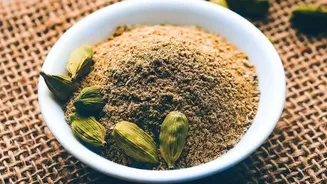
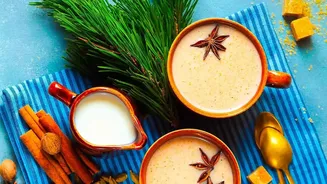
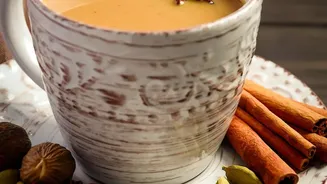
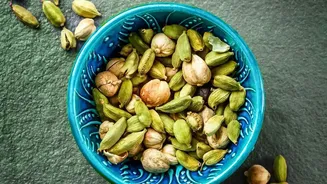
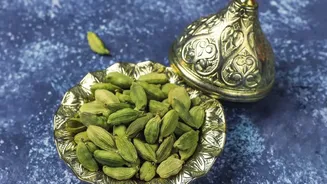
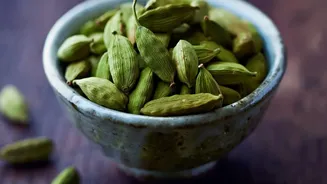
The perfect gateway to understanding cardamom's versatility is a simple cup of Elaichi Chai, or cardamom tea. Making it is a ritual in itself. For a deeply aromatic brew, it's best to start with whole green cardamom pods. Gently crush two or three pods using
a mortar and pestle or the flat side of a knife—just enough to split them open and reveal the tiny black seeds inside. This act releases the essential oils, which carry all the flavor. Add the crushed pods to a saucepan with water and bring it to a boil. You can then add black tea leaves and let them steep before adding milk and sugar to taste. Simmering the pods for a few minutes allows their complex, layered notes of camphor, lemon, and pine to fully infuse the liquid, creating a beverage that is both soothing and invigorating.
A Spice Rooted in Wellness
For centuries, cardamom has been valued not just for its flavor but also in traditional wellness practices like Ayurveda. It's often used to aid digestion, reduce bloating, and freshen breath. The spice contains compounds that are traditionally believed to have anti-inflammatory properties and a high concentration of antioxidants. While modern science continues to study these effects, enjoying cardamom in food and tea is a time-honored practice for promoting a sense of well-being. Its warming quality is particularly prized, thought to generate internal heat, making cardamom-infused drinks a staple in cooler climates and cozy moments.
Pairing Tea with Sweet Treats
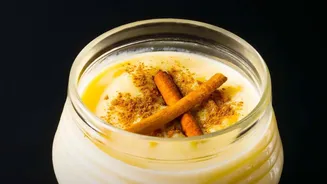
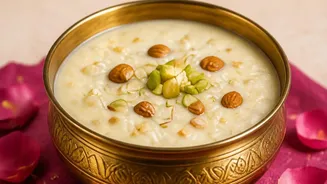
Once you've savored the taste of cardamom tea, you begin to recognize its potential in the world of sweets. The tea's profile is a natural partner to milky desserts, where it cuts through the richness. Enjoying a cup of Elaichi Chai alongside a bowl of rice pudding or phirni enhances the cardamom already in the dish, creating a more intense flavor experience. The spice also pairs beautifully with nuts like pistachios and almonds, citrus, and other warm spices like cinnamon and nutmeg. You can try swapping it for cinnamon in recipes for banana bread or apple cake to give them an unexpected, fragrant twist. Even a simple shortbread cookie or a piece of dark chocolate can be elevated when accompanied by this aromatic brew.
An Unexpected Partner for Savory Dishes
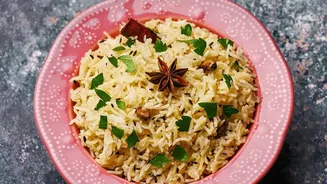
Perhaps the most exciting way to expand your cardamom use is by exploring its savory side. While black cardamom is known for its smoky intensity in robust curries, the more common green cardamom has a lighter touch that works wonders in many dishes. A cup of cardamom tea can act as a wonderful palate cleanser between bites of a rich, savory meal. The practice of using cardamom in savory cooking is central to Indian and Middle Eastern cuisines. Whole green pods are often dropped into hot oil at the start of cooking to perfume dishes like biryani, pulao, and lentil stews. Taking inspiration from this, you can start to see how the flavors in your tea connect to a broader culinary world. The same spice that soothes in a cup of chai adds a layer of fragrant complexity to a hearty cardamom chicken curry or a simple vegetable stir-fry.
Expanding Your Cardamom Pantry
Your journey with cardamom tea is just the beginning. Let its flavor inspire you to use the spice in new ways. Ground cardamom can be blended with sugar and sprinkled over fruit or yogurt. It's a key component in many essential spice blends, including garam masala and the Middle Eastern baharat, which are versatile enough for roasted vegetables and grilled meats. You can even add a crushed pod to your morning coffee for a Middle Eastern-inspired brew. By starting with a simple, well-made cup of tea, you attune your palate to the subtleties of this incredible spice. This newfound appreciation can transform it from an occasional guest in your pantry to a trusted staple you reach for to add a touch of warmth and fragrant elegance to almost any meal.