
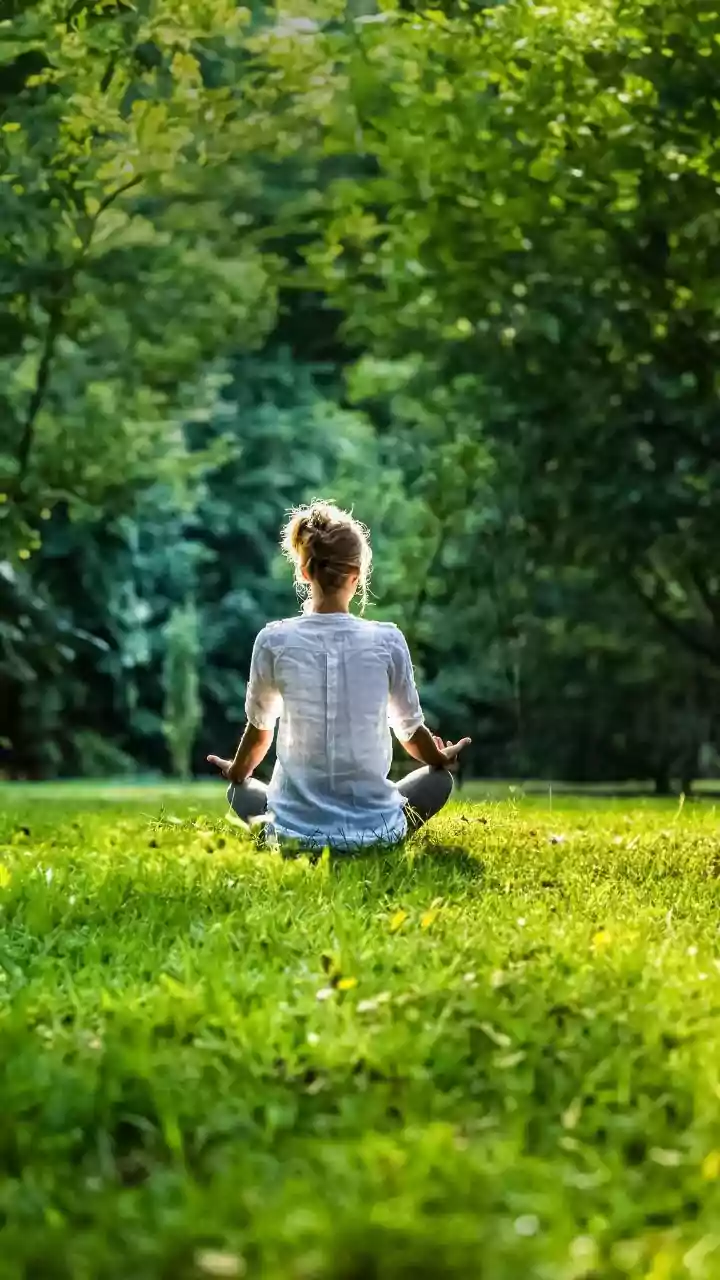



What Is Pranayama?
Pranayama is a Sanskrit term meaning 'regulation of life force'. It’s a core component of yoga, but you don't need a mat to practice it. The fundamental idea is that our breath and mind are deeply connected. When we feel stressed or anxious, our breathing
often becomes fast and shallow. When we are calm, it naturally slows down. Pranayama uses intentional breathing techniques to influence this connection, helping to regulate our mental and emotional states. By controlling the breath, you can directly soothe your nervous system, improve oxygen flow, and bring a sense of balance and clarity to your mind.
For Balance: Nadi Shodhana (Alternate Nostril Breathing)
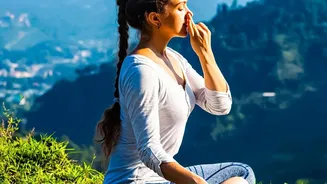
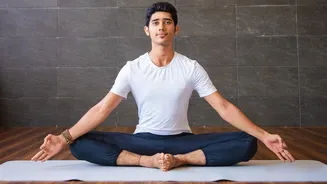
Nadi Shodhana is one of the most effective techniques for calming a busy mind and balancing the nervous system. It is believed to harmonize the left and right hemispheres of the brain, promoting a state of tranquility and mental clarity. It’s an excellent practice for releasing tension, especially when you feel mentally fatigued or emotionally drained. How to do it: Sit comfortably with a straight spine. Rest your left hand on your lap. Bring your right hand to your face and use your thumb to gently close your right nostril. Inhale slowly and deeply through your left nostril. Then, close your left nostril with your ring finger, release your thumb, and exhale slowly through your right nostril. Inhale through the right nostril, close it with your thumb, and exhale through the left. This completes one cycle. Continue this pattern for three to five minutes, focusing on smooth, even breaths.
For Instant Calm: Bhramari (Humming Bee Breath)
Named for the black Indian bee, Bhramari uses sound vibration to instantly soothe the mind. It is highly effective for relieving agitation, anger, and anxiety. The humming sound has a powerful calming effect on the nervous system, helping to quiet mental chatter and release tension, particularly around the forehead and jaw. It’s a perfect reset button for the middle of a stressful day. How to do it: Sit in a quiet corner and close your eyes. Place your index fingers on the cartilage of your ears. Take a deep breath in. As you exhale, gently press the cartilage and make a low, steady humming sound like a bee for the entire duration of the exhale. The sound should create a gentle vibration in your head. Repeat this for five to ten rounds, and notice the sense of inner quiet that follows.
For Gentle Focus: Ujjayi (Victorious Breath)
Often called 'ocean breath' for its soft, rushing sound, Ujjayi is both calming and energizing. It involves a slight constriction at the back of the throat, which warms the breath and creates an audible rhythm that serves as an anchor for the mind. This technique is known to improve concentration, reduce distractions, and promote a state of mindful awareness. It helps build internal heat and can be used to maintain focus during physical activities or tasks requiring mental stamina. How to do it: With your mouth closed, begin to inhale and exhale slowly through your nose. Gently constrict the back of your throat, as if you were about to whisper. This will create a soft, oceanic sound with both your inhale and your exhale. Keep the breaths long, smooth, and even. You can practice this on its own or integrate it into other activities to help you stay present and focused.
How to Build a Daily Practice
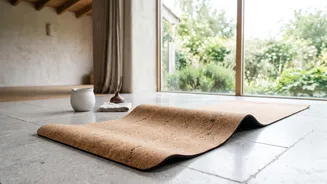
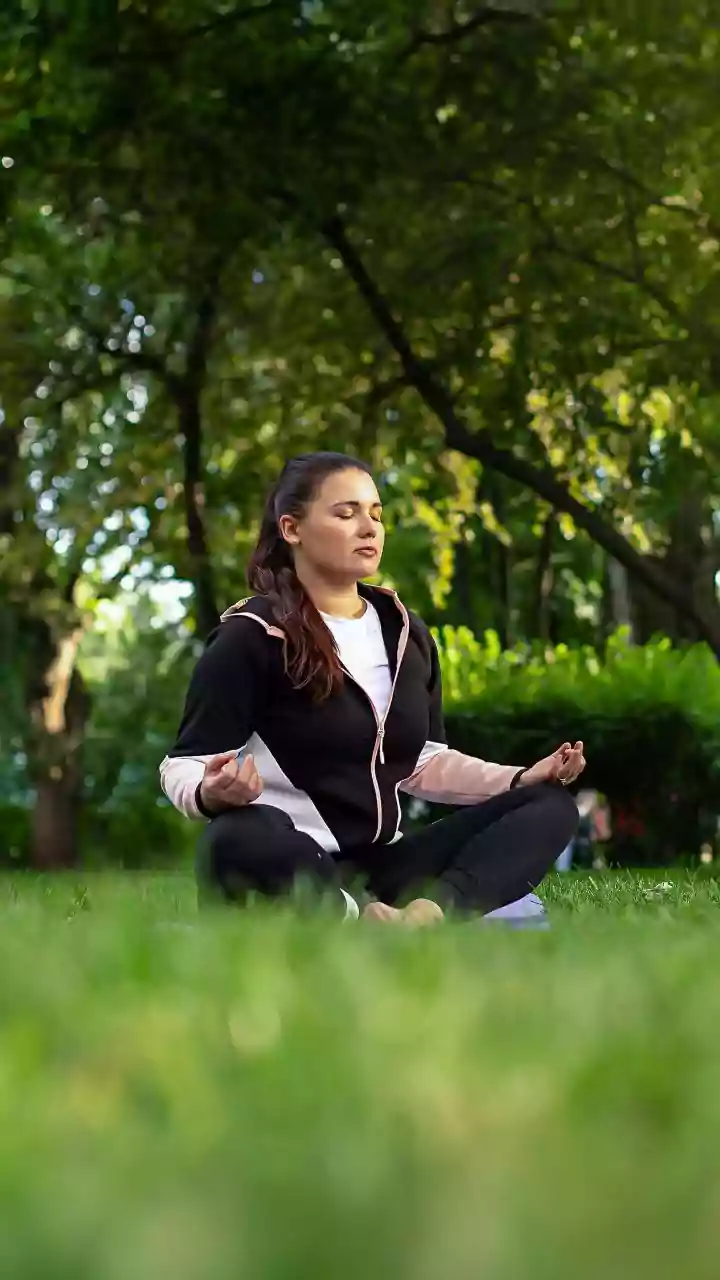
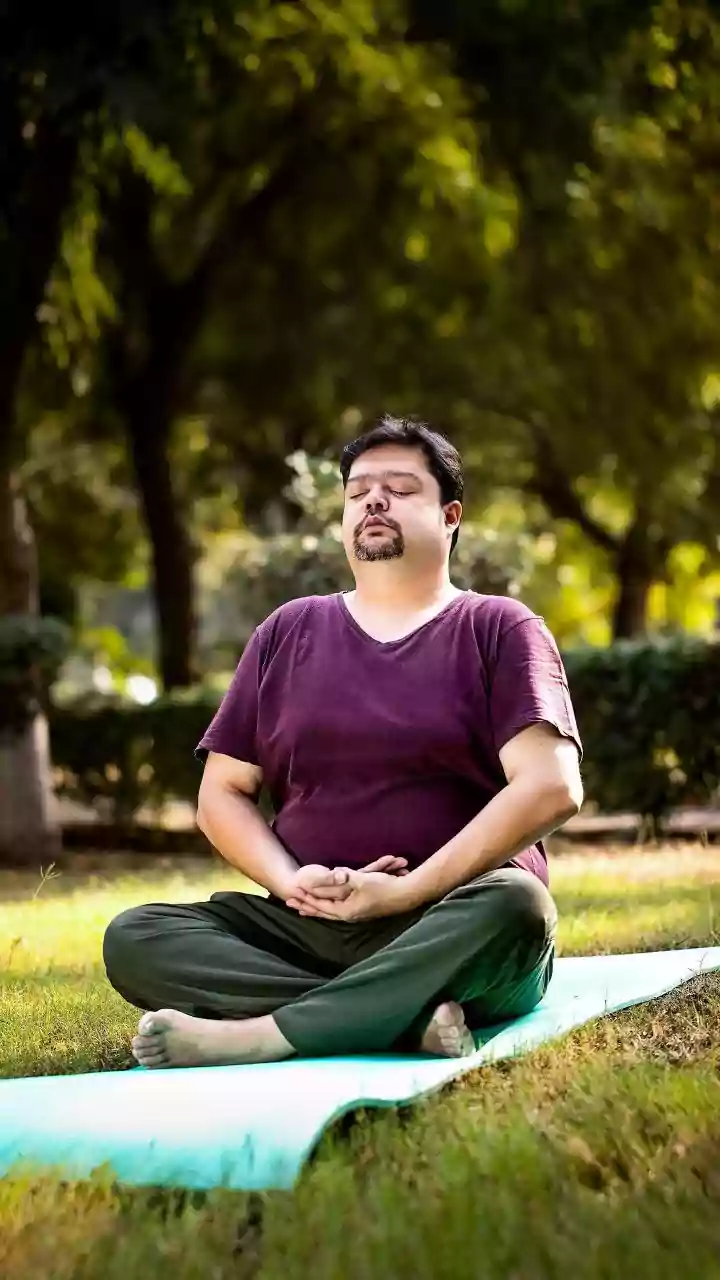
The key to transforming your mental wellness with pranayama is consistency, not duration. Start by choosing just one of these exercises and committing to practicing it for five minutes each day. The best time to practice is often in the morning on an empty stomach, but a few minutes before bed or during a work break can be just as effective. Create a comfortable space where you won’t be interrupted. Over time, you can extend your practice or combine different techniques. The goal is to create a small, sustainable habit that provides a moment of intentional calm in your day. Listen to your body, never force the breath, and enjoy the process of reconnecting with yourself.