






1. Master the Magic of Zest
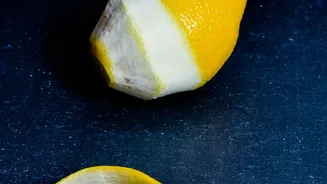
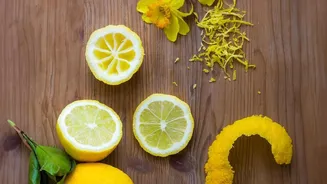
The simplest way to use a lemon peel is to zest it. Zest is just the yellow outer layer of the skin, packed with concentrated flavour oils. The white layer underneath, called the pith, is bitter and should be avoided. The easiest way to get fine zest is with a microplane
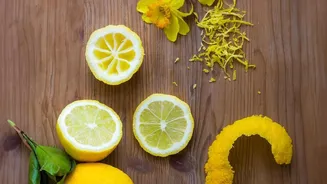
or the small-holed side of a box grater. Simply grate the yellow skin, rotating the lemon as you go. No special tools? Use a vegetable peeler to shave off wide strips of peel, then finely chop them with a knife. Add fresh zest to dal, sabzis, salad dressings, marinades, or sprinkle it over grilled fish and chicken for a burst of freshness. It also brings a wonderful brightness to baked goods like cakes and muffins.
2. Create Sweet Candied Peels
Turn your lemon peels into a delightful sweet treat. Candied lemon peels are delicious on their own, chopped and added to cakes and cookies, or used as a beautiful garnish for desserts and even cocktails. To make them, slice your peels into thin strips. To reduce bitterness, it's a good idea to blanch them by boiling them in water for a few minutes and then draining; repeating this process two or three times can help. Afterwards, simmer the peels in a simple syrup made of sugar and water until they become soft and translucent. Once cooked, you can drain them from the syrup and let them dry on a wire rack. For an extra treat, toss the tacky peels in granulated sugar for a sparkly coating.
3. Infuse Your Staples: Sugar and Oil
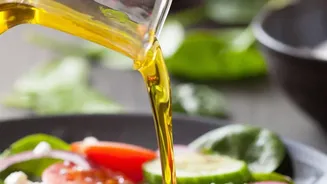
Create incredible flavour bases with just your leftover peels. To make lemon-infused sugar, simply rub fresh lemon zest into granulated sugar with your fingertips. This action releases the fragrant oils from the zest, which then bind to the sugar crystals. This aromatic sugar is perfect for sweetening tea, nimbu pani, or for use in any baking recipe. For lemon-infused oil, place strips of lemon peel into a jar and cover them with a good quality olive or neutral oil. Let it steep for a few weeks in a cool, dark place. The result is a fragrant oil perfect for salad dressings, marinades, or for drizzling over pasta and roasted vegetables.
4. Make a Flavourful Lemon Powder
A fantastic way to preserve the flavour of lemon peel for long-term use is to turn it into a powder. First, ensure you only have the yellow peel, with as little white pith as possible. Lay the peels on a tray and dry them until they are crisp. You can do this in an oven on its lowest temperature setting or in a dehydrator. Once they are completely dry and brittle, simply blitz them in a spice grinder or a powerful blender until you have a fine powder. Store this lemon powder in an airtight jar. It’s an excellent, shelf-stable ingredient to have on hand for seasoning everything from soups and stews to chicken and fish.
5. Brew a Refreshing Lemon Peel Tea
Don’t discard the peels after juicing; use them to brew a simple and soothing tea. The hot water helps release the remaining essential oils, creating a wonderfully aromatic drink. Simply place a few large strips of fresh lemon peel into a mug and pour boiling water over them. Let it steep for five to ten minutes. You can enhance the flavour by adding a stick of cinnamon, a few slices of fresh ginger, or some mint leaves. It's a comforting and flavourful beverage that can be enjoyed any time of day.
6. Go Beyond Cooking: Natural Cleaning
The uses for lemon peels extend beyond the kitchen. Thanks to their citric acid content and antibacterial properties, they make a fantastic natural cleaner. You can create an all-purpose cleaning spray by steeping lemon peels in a jar of white vinegar for a couple of weeks. Strain the liquid, dilute it with water in a spray bottle, and use it to clean countertops and sinks. You can also toss a few peels into your garbage disposal and run it with cold water to deodorize and freshen it up.