




The Magic Before the Monsoon
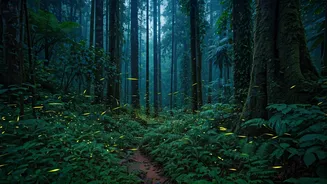
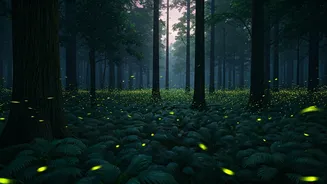
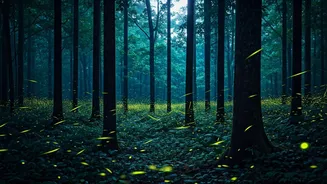
Every year, in the fleeting window between the peak of summer and the first monsoon showers, a breathtaking natural phenomenon unfolds in the forests of the Western Ghats. Millions of fireflies, or 'jugnu' as they are affectionately known, emerge for their
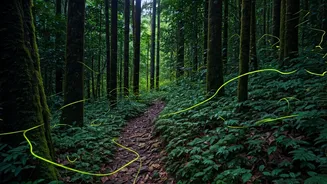
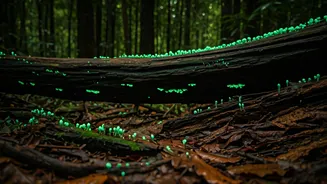
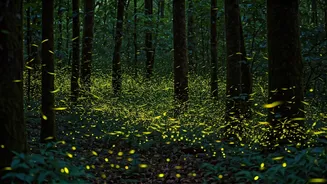
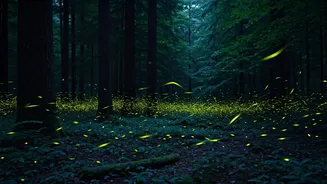
brief but dazzling mating season. This isn't just a random twinkling; it's a synchronised symphony of light. Male fireflies use their bioluminescence—a chemical reaction in their lower abdomens—to create specific flashing patterns to attract mates. When thousands, or even millions, do this in unison across a dark forest, the effect is nothing short of otherworldly. The trees themselves seem to come alive, adorned with pulsating constellations of light that blink in a hypnotic, silent rhythm.
Prime Spotting Locations
While fireflies can be found in many forested areas, several locations in Maharashtra have become famous for their spectacular pre-monsoon displays. Bhandardara, a serene hill station nestled by the Pravara River, is a top destination. The forests around Wilson Dam and Arthur Lake become a hub of bioluminescent activity. Another key spot is Purushwadi, a tribal village adopted by eco-tourism initiatives where the entire community participates in hosting the firefly festival. Here, the experience is deeply intertwined with local culture. For the more adventurous, the trek to the Rajmachi Fort offers a rugged backdrop for the light show. Other locations like Samrad village and specific trails near Lonavala also offer incredible, though sometimes less crowded, viewing opportunities.
Planning Your Trip
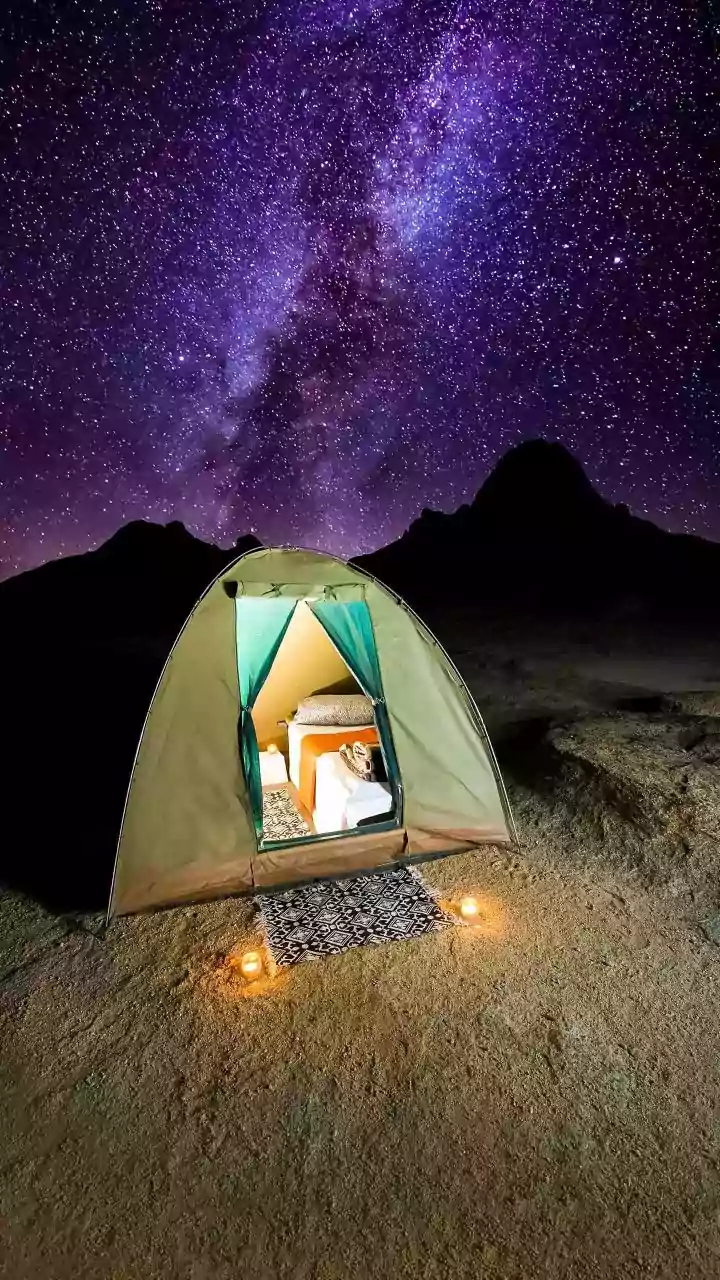
Timing is everything. The firefly season is short and entirely dependent on the weather, typically lasting from mid-May to mid-June, right up until the heavy monsoon rains begin. The best viewing nights are dark, moonless, and humid. Planning is essential as these events have become extremely popular. Many travellers opt for organised tours from cities like Mumbai and Pune. These packages often include transportation, accommodation (ranging from campsites to local homestays), and guided night walks. Booking a stay in a village like Purushwadi through an eco-tourism group like Grassroutes not only ensures a great experience but also supports the local economy directly. If you plan to go independently, book your accommodation well in advance and connect with a local guide who knows the best, safest trails.
What to Expect on a Guided Walk
A typical guided walk begins just after dusk. You’ll be led by a local guide who knows the forest intimately—its sounds, its creatures, and most importantly, where the fireflies congregate. The walk itself is often a gentle trek through forest trails or along village paths. As darkness deepens, you’ll be asked to switch off all lights and let your eyes adjust. The first few flickers appear like scattered sparks, and then, as if a switch is flipped, entire trees and patches of forest begin to pulse with light. The guides often share fascinating insights into the fireflies' lifecycle and the local folklore surrounding them. The experience is meditative and deeply humbling, a quiet communion with nature at its most magical.
A Guide to Responsible Viewing
The increasing popularity of firefly tourism puts a strain on this delicate ecosystem. To ensure these magical insects continue to thrive, it is crucial to be a responsible visitor. First and foremost, do not use bright flashlights or flash photography; the light disrupts the fireflies’ mating patterns. If you need a torch, cover it with red cellophane paper, as this wavelength is less disturbing to them. Maintain silence and walk softly to avoid disturbing the nocturnal environment. Never, under any circumstances, attempt to catch or bottle the fireflies. This is their crucial mating period, and interfering can have a devastating impact on their population. Lastly, leave no trace. Carry back everything you bring with you and stick to the designated trails to minimise your impact on the habitat.