



The Great Soaking Debate
To soak or not to soak? It’s a timeless kitchen question. For tougher, larger beans like rajma (kidney beans) and chole (chickpeas), soaking is non-negotiable. An overnight soak of at least 6-8 hours rehydrates the beans, reduces cooking time significantly,
and makes them easier to digest. Soaking helps break down complex sugars that can cause bloating and gas. For most lentils, such as toor, masoor, or moong dal, a shorter soak of 30 minutes to an hour is beneficial, though not strictly essential if you're short on time. The main takeaway is that soaking tenderises the pulse, kickstarts the cooking process, and helps achieve a better final texture.
Chickpeas: Firm for Salads, Soft for Curries
The humble chickpea (chana) is a master of versatility, but its texture must match its role. If you're making a chickpea salad, a black chana chaat, or a pulao, you want the grains to be firm, whole, and distinct. To achieve this, cook soaked chickpeas until they are just tender but still hold their shape perfectly. A pressure cooker is efficient, but keep a close watch on the cooking time. For a creamy chana masala or silky-smooth hummus, the goal is the opposite. You need to cook the chickpeas until they are exceptionally soft and starting to break down. Mashing a few cooked chickpeas against the side of the pot can help thicken the gravy naturally, creating that luscious, rich consistency everyone loves.
Rajma: The Quest for Creaminess
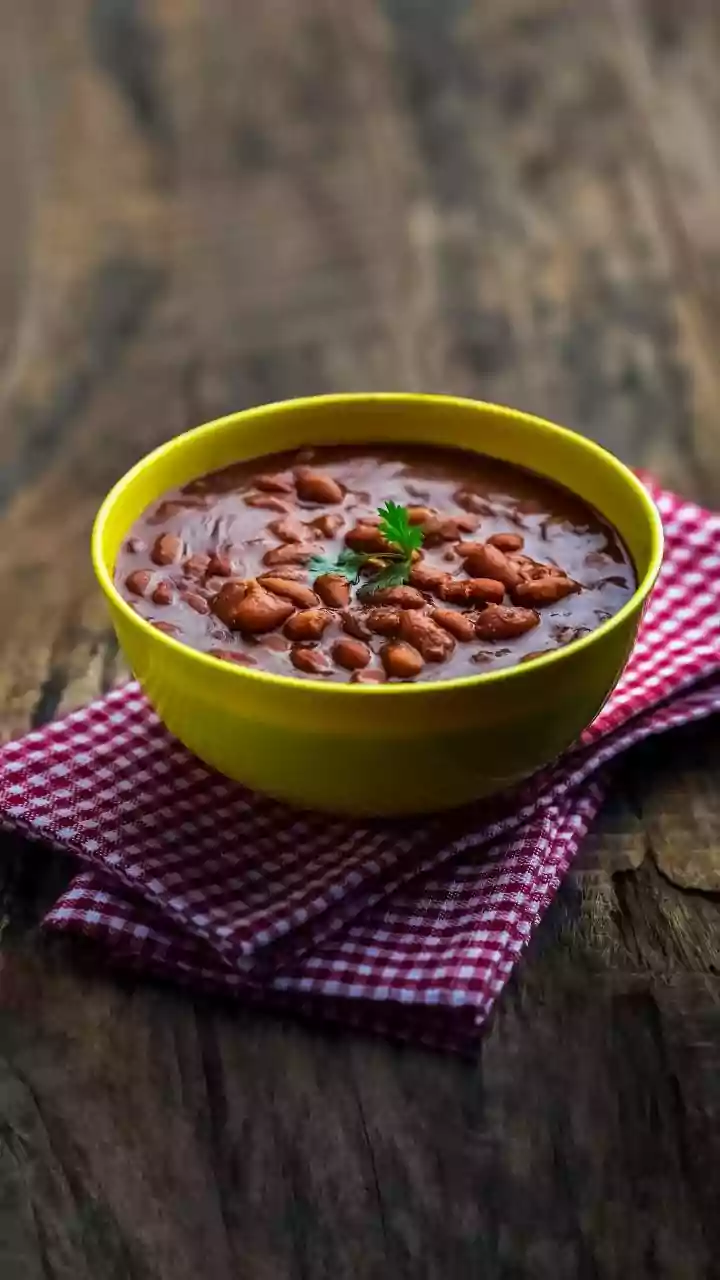
There is nothing more disappointing than a watery rajma curry with hard, unyielding beans. For this North Indian classic, the desired texture is almost always supremely soft and creamy, with the beans melting into the gravy. The journey to creamy rajma begins with a proper overnight soak. When cooking, be patient. Whether on the stovetop or in a pressure cooker, rajma needs ample time to soften completely. Once cooked, gently mashing about a quarter of the beans and adding them back to the pot is a fantastic trick. This releases their starches and naturally thickens the curry, giving it a rich, restaurant-style body without needing to add any cream.
Mastering Your Dals
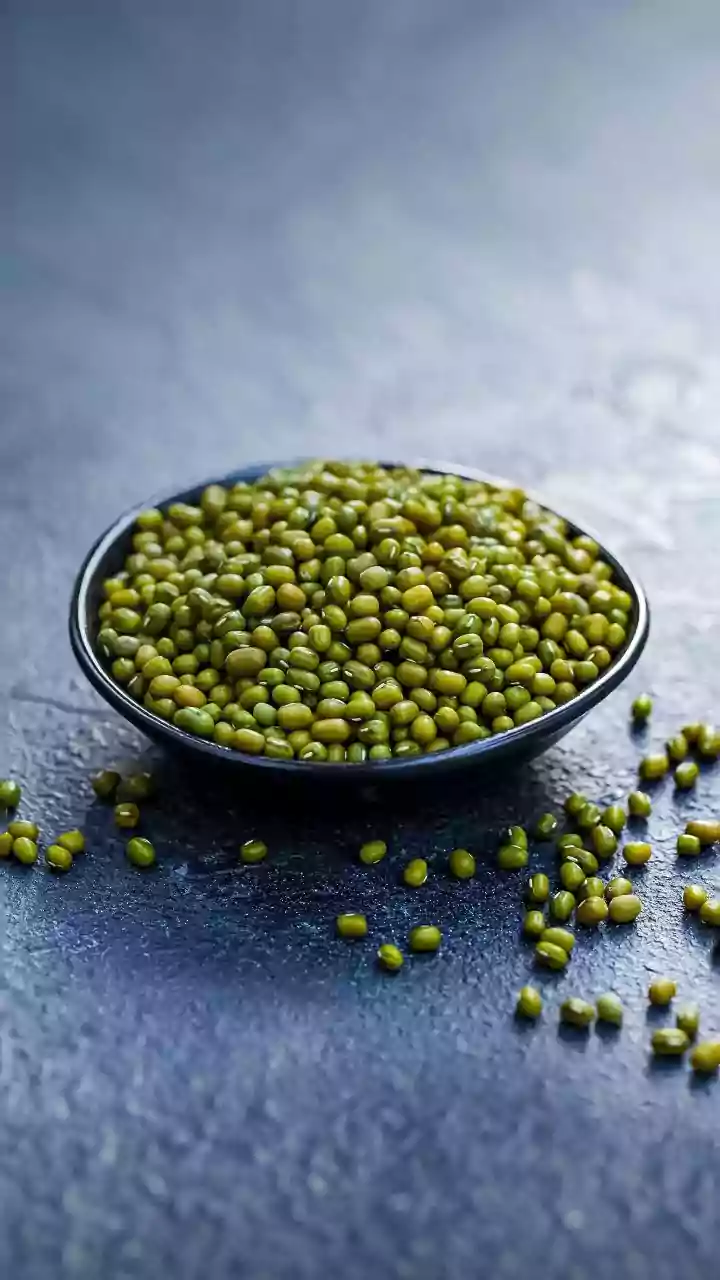
Lentils, or dals, are cooked daily in countless Indian homes, and their texture can vary dramatically by design. Split red lentils (masoor dal) and yellow lentils (moong dal) cook very quickly and are prized for their ability to break down completely, creating smooth, soupy dals and comforting khichdis. Whole lentils, like whole masoor or green moong, are different. If you want to see the individual grains in your final dish, such as in a whole masoor dal tadka, cook them until they are just tender. If you cook them for longer, they too will soften into a more homogenous mixture. The key is control; a shorter cooking time preserves texture, while a longer, slower simmer creates creaminess.
Pressure Cooker vs. Open Pot
The pressure cooker is a staple in Indian kitchens for a reason: it's incredibly efficient for cooking tough beans and pulses. It saves time and fuel, making daily dal preparation much more manageable. However, the traditional open-pot or stovetop method offers more control. When simmering in a pot, you can easily monitor the texture of your pulses, ensuring they don't overcook into mush. This is particularly useful when aiming for that 'al dente' or firm-but-cooked texture for salads and side dishes. For hard beans like rajma and chickpeas, the pressure cooker is often the best choice for achieving a soft texture quickly. For delicate lentils where you want to control the final consistency, a gentle simmer in an open pot might give you a better result.