





The Bathroom: A Microbial Paradise
Think of your bathroom, especially the shower and sink area, as a thriving ecosystem. It's warm, constantly damp, and visited by multiple people, making it an ideal environment for bacteria, fungi, and viruses to flourish. Organisms like Staphylococcus,
Pseudomonas, and E. coli can multiply rapidly on surfaces. Every time you shower or flush the toilet with the lid open, water droplets can aerosolize these microbes, spreading them onto every exposed surface—including your personal care items. The humid climate prevalent in many parts of India further accelerates this growth, turning seemingly clean tools into potential sources of infection.
Your Razor Is Sharper Than You Think
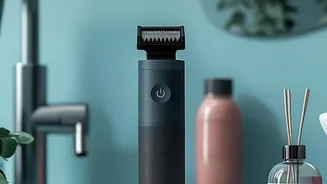
Leaving a razor in the shower is a common habit, but it’s one you should break. The constant moisture not only causes the blades to rust and dull faster, but it also creates a haven for bacteria. Every shave creates tiny, often invisible micro-cuts on your skin. If you use a bacteria-laden razor, you are essentially introducing germs like Staphylococcus directly into your skin, which can lead to painful folliculitis (inflamed hair follicles), razor bumps, or more serious skin infections like cellulitis. Sharing razors is even more dangerous, as it creates a direct route for the transmission of blood-borne viruses like Hepatitis B, Hepatitis C, and although rare, HIV. A razor should be treated as a personal medical instrument—not for sharing.
The Problem with Your Loofah
A natural or synthetic loofah might feel like the pinnacle of exfoliation, but its porous structure is exceptionally good at trapping dead skin cells, soap residue, and moisture. This combination turns your loofah into a petri dish for bacterial and fungal growth. Within just 24 hours in a damp environment, a loofah can become a thriving colony of germs. When you use it again, you are simply scrubbing these bacteria back onto your clean skin, which can lead to skin irritation and infections. Dermatologists often recommend ditching the loofah altogether or, at the very least, replacing it every three to four weeks and allowing it to dry completely away from the shower's humidity between uses.
Rethink Your Toothbrush Storage
Storing your toothbrush on the bathroom counter or in a holder near the sink might seem convenient, but it's far from hygienic. As mentioned, flushing the toilet can send a plume of aerosolized droplets containing fecal bacteria into the air, which can settle on your toothbrush bristles. Studies have found that toothbrush handles can be one of the germiest spots in the bathroom. Storing a wet toothbrush in a closed container or a dark medicine cabinet only encourages mould and bacteria to grow. To keep your oral hygiene tool clean, store it upright in a well-ventilated holder, as far from the toilet as possible, and ensure the bristles can air dry completely. And never, ever share your toothbrush.
Simple Steps for a Safer Routine
Protecting yourself from these hidden germs doesn't require a complete bathroom overhaul. It's about forming new, simple habits. After each use, rinse your razor thoroughly, pat the handle dry, and store it in a dry place outside the shower, such as a bedroom or a dry cabinet. Consider a dedicated, dry caddy for each family member to store their personal items. Replace your loofah regularly, or switch to a washcloth that can be laundered after each use. Make it a rule to close the toilet lid before flushing to minimize the spread of airborne particles. These small changes can significantly reduce the microbial load in your personal space and help keep you and your family healthier.